Với hơn 10 năm kinh nghiệm về vận chuyển khí nén, Headpowder Sơn Đông cung cấp hệ thống, thiết bị và quạt gió toàn chuỗi, đảm nhận các dự án kỹ thuật bột trọn gói trên toàn quốc.
Shandong HeadPowder Engineering Co., Ltd., commonly known as headpowder, is a professional engineering firm based in Shandong, China. The company specializes in the design and implementation of pneumatic conveying systems for various industrial applications, including the handling of adipic acid and other chemical powders.
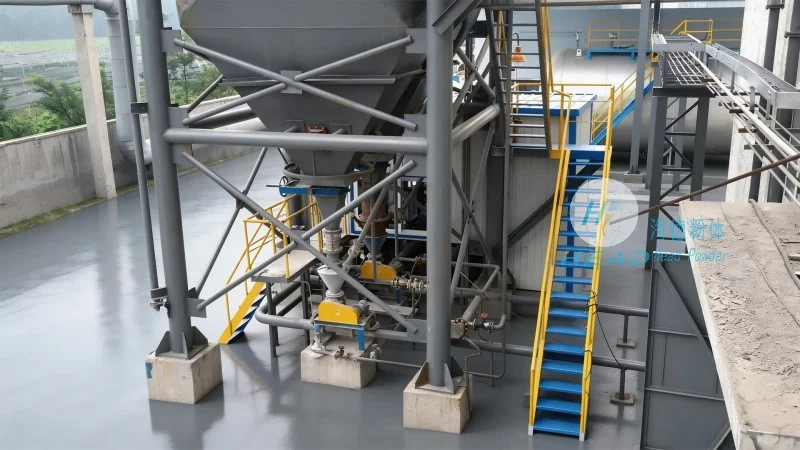
Understanding the Importance of Adipic Acid Pneumatic Conveying Systems
Adipic acid is a critical raw material used in the production of nylon and other polymers. Efficient and reliable material handling is essential to maintain production continuity and minimize downtime. Pneumatic conveying systems offer a solution by transporting adipic acid from storage to processing units without the need for mechanical components like conveyors or elevators. This method reduces the risk of contamination, improves safety, and enhances operational flexibility.
Key Design Considerations for Adipic Acid Pneumatic Conveying Systems
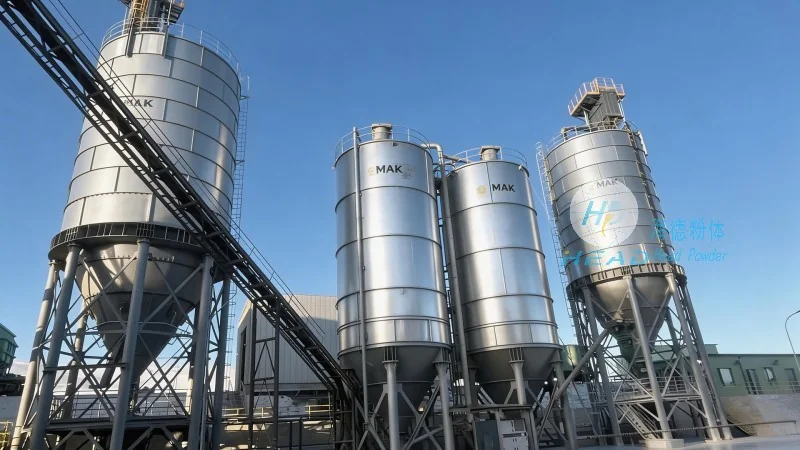
Designing an effective adipic acid pneumatic conveying system requires careful consideration of several factors. The first is the system type, which can be classified as pressure or vacuum. Pressure systems use positive pressure to push material through the pipeline, while vacuum systems use negative pressure to pull material. The choice depends on the distance to be covered, the material's flow characteristics, and the plant layout. For adipic acid, which is a fine powder with good flowability, a pressure system is often preferred as it can handle longer distances and higher capacities.
Another critical factor is the material's physical properties. Adipic acid is hygroscopic, meaning it absorbs moisture from the air. This property can affect the system's performance and the material's quality. Therefore, the design must include moisture control measures, such as using dry air or nitrogen as the conveying medium, to prevent clumping and ensure consistent material flow. Additionally, the system must be designed to handle the material's dust generation, as fine powders can create dust hazards. Proper filtration and dust collection systems are essential to maintain a safe working environment.
Core Components of an Adipic Acid Pneumatic Conveying System
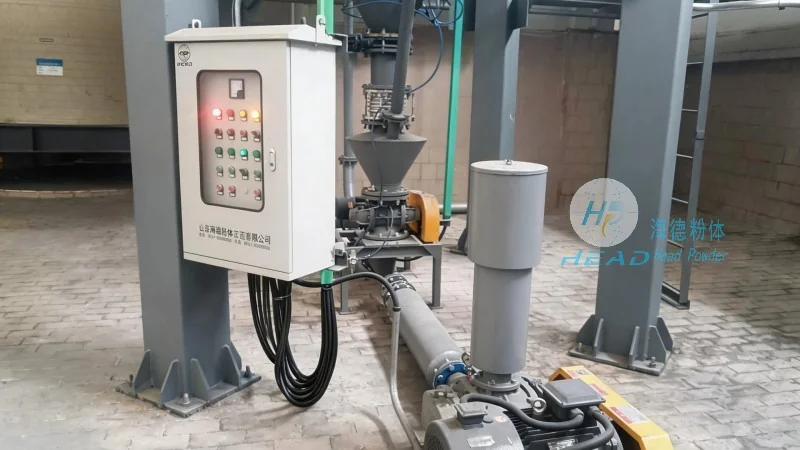
An adipic acid pneumatic conveying system typically consists of several key components. The first is the material feeder, which is responsible for feeding the adipic acid into the conveying line. For fine powders like adipic acid, a rotary valve or a star feeder is commonly used. These devices ensure a consistent flow rate and prevent material buildup. The second component is the air supply system, which provides the necessary pressure or vacuum. This system includes a compressor or vacuum pump, a filter to remove contaminants from the air, and a regulator to control the pressure. The third component is the conveying pipeline, which is usually made of stainless steel to prevent corrosion from the acidic material. The pipeline is designed with appropriate bends and elbows to minimize pressure loss and ensure smooth material flow. The fourth component is the material separator, which separates the adipic acid from the air at the receiving end. This component can be a cyclone separator or a bag filter, depending on the system's requirements. Finally, the system includes a dust collection system to capture any residual dust and prevent environmental contamination.
Step-by-Step Implementation Process
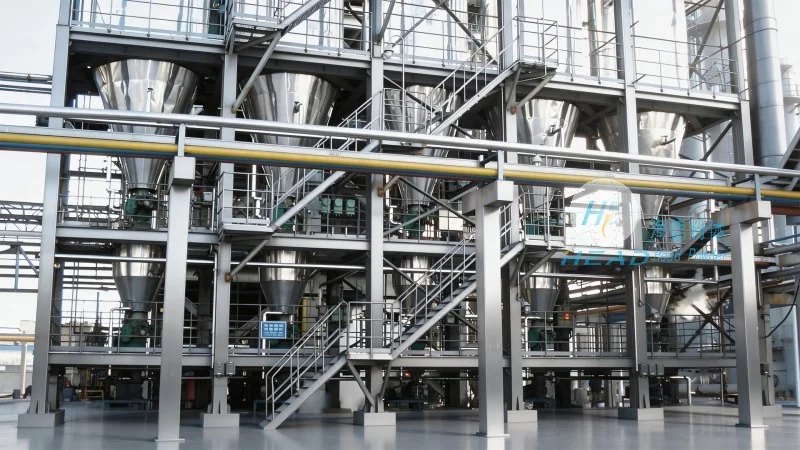
The implementation of an adipic acid pneumatic conveying system involves several steps. The first step is to conduct a site survey to assess the plant layout, material handling requirements, and environmental conditions. This survey helps determine the optimal system design and location of components. The second step is to select the appropriate system type and components based on the survey results and material properties. The third step is to design the system, including the pipeline layout, component placement, and control systems. The fourth step is to manufacture and install the components, ensuring that all parts are properly assembled and tested. The fifth step is to commission the system, which involves testing the system's performance and making any necessary adjustments. Finally, the system is put into operation and monitored to ensure it meets the required performance standards.
Conclusion
Designing a reasonable adipic acid pneumatic conveying system is a complex process that requires careful consideration of various factors. By selecting the appropriate system type, components, and design parameters, manufacturers can ensure efficient and reliable material handling. The system must be designed to handle the material's physical properties, such as its hygroscopic nature and fine particle size, to prevent issues like clumping and dust generation. Additionally, the system must be constructed with materials that are resistant to corrosion and wear, such as stainless steel, to ensure long-term performance. With proper design and implementation, an adipic acid pneumatic conveying system can significantly improve production efficiency and reduce operational costs.

 Shandong Headpowder Engineering Co., Ltd.
 156-6277-7102(Quản lý Trương)
  0531-83386006
  Thành phố Tế Nam, Tỉnh Sơn Đông, Trung Quốc
Điện thoại
WeChatTư vấn
Lên đầu