Với hơn 10 năm kinh nghiệm về vận chuyển khí nén, Headpowder Sơn Đông cung cấp hệ thống, thiết bị và quạt gió toàn chuỗi, đảm nhận các dự án kỹ thuật bột trọn gói trên toàn quốc.
When it comes to the efficient and safe transportation of lithium-ion batteries, various methods are employed across industries to ensure optimal handling and logistics. These methods are crucial for maintaining battery integrity, preventing damage, and adhering to safety standards. Shandong HeadPowder Engineering Co., Ltd., a leading provider of engineering solutions, specializes in designing and implementing effective battery handling and transport systems. This article explores the common approaches used for lithium-ion battery transportation, highlighting key considerations and practical applications.
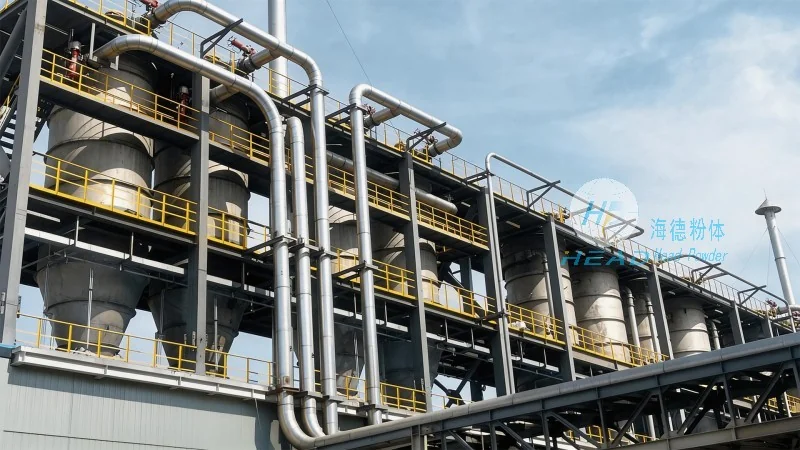
1. Conventional Conveyor Systems for Battery Handling
One of the most widely used methods for lithium-ion battery transportation is through conventional conveyor systems. These systems are designed to move batteries from one location to another with precision and control. Typically, these conveyors may include belt conveyors, roller conveyors, or chain-driven systems, each tailored to the specific dimensions and weight of the batteries being handled. The use of conveyor systems helps streamline the workflow in manufacturing, assembly, and packaging processes, reducing manual handling and associated risks. For instance, in a battery production facility, conveyor belts can transport assembled cells or modules from the assembly line to quality control stations or packaging areas. This method ensures consistent movement and minimizes the potential for damage during transit. Shandong HeadPowder Engineering Co., Ltd. specializes in designing and implementing such conveyor solutions that are tailored to the unique requirements of lithium-ion battery manufacturers, ensuring reliability and efficiency in battery handling operations.
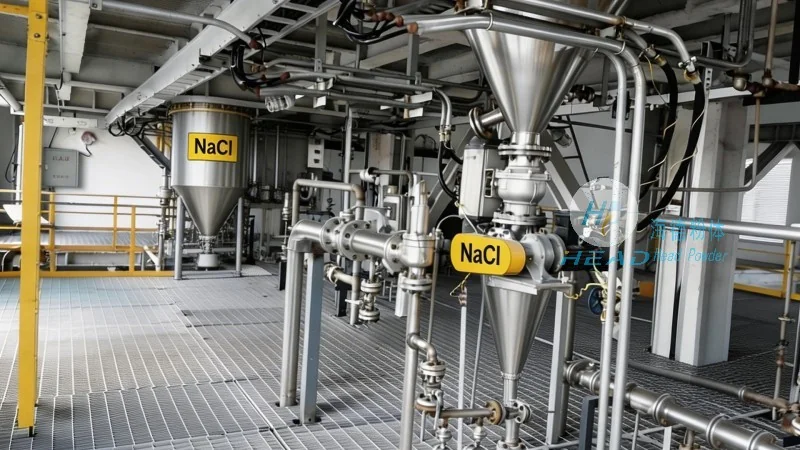
2. Automated Guided Vehicles (AGVs) for Battery Transport
Automated Guided Vehicles (AGVs) represent another advanced method for lithium-ion battery transportation, particularly in large-scale production environments. AGVs are self-propelled vehicles equipped with sensors and navigation systems that allow them to move batteries autonomously along predefined paths. This technology is highly effective in reducing labor costs and increasing operational efficiency. AGVs can be programmed to transport batteries from production lines to storage areas, or between different stages of the manufacturing process. They are especially useful in environments where manual handling is impractical or unsafe, such as in high-volume battery production facilities. The integration of AGVs with conveyor systems or robotic arms can create a seamless automated workflow, enhancing the overall productivity of battery handling operations. Shandong HeadPowder Engineering Co., Ltd. offers customized AGV solutions that are designed to handle the specific characteristics of lithium-ion batteries, ensuring safe and efficient transport while adhering to industry safety standards. These solutions may include features like collision avoidance systems, battery level monitoring, and real-time tracking, which further enhance the safety and reliability of battery transport. By leveraging AGV technology, manufacturers can optimize their production lines, reduce downtime, and improve overall operational efficiency.
3. Palletizing and Racking Systems for Battery Storage and Transport
Palletizing and racking systems are essential for the storage and transport of lithium-ion batteries, especially in logistics and distribution settings. These systems involve using pallets or racks to organize batteries in a structured manner, which facilitates easy handling and movement. Pallets are typically equipped with specialized fixtures or inserts that securely hold the batteries in place during transport, preventing shifting or damage. Racking systems, on the other hand, provide vertical storage solutions, maximizing space utilization in warehouses or storage facilities. The use of pallets and racking not only improves the efficiency of storage but also enhances the safety of battery handling by reducing the need for manual lifting and stacking. In addition, these systems are designed to comply with safety regulations, such as those related to battery handling and storage, ensuring that batteries are stored and transported safely and efficiently. Shandong HeadPowder Engineering Co., Ltd. provides comprehensive palletizing and racking solutions tailored to the needs of lithium-ion battery manufacturers and distributors, ensuring that batteries are stored and transported safely and efficiently.
4. Manual Handling and Ergonomic Equipment for Battery Transport
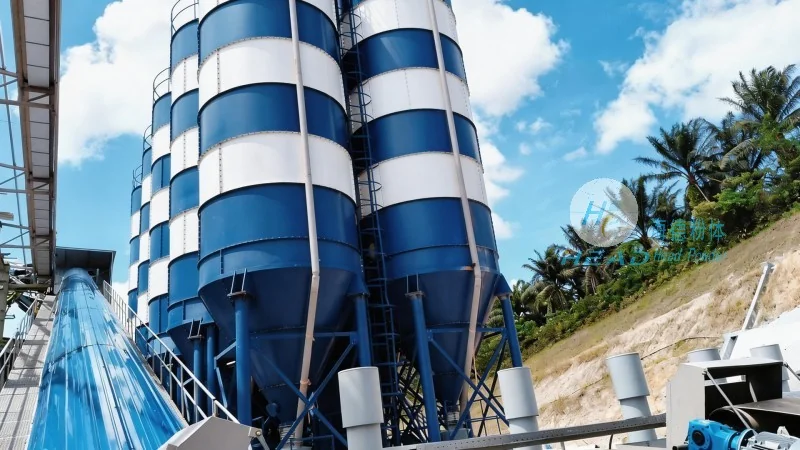
While automated systems are prevalent, manual handling remains a common method for lithium-ion battery transportation, especially in smaller-scale operations or during specific stages of the production process. However, manual handling requires careful attention to safety and ergonomic practices to prevent injuries and ensure battery integrity. Ergonomic equipment, such as battery carts, trolleys, or lifting devices, is often used to assist with manual handling tasks. These tools are designed to reduce the physical strain on workers and improve the efficiency of battery movement. For example, battery carts can be used to transport assembled battery packs or modules from one workstation to another, while lifting devices can help move heavier batteries from storage to assembly lines. The use of ergonomic equipment is crucial in maintaining the safety of workers and the quality of the batteries being handled. Shandong HeadPowder Engineering Co., Ltd. offers a range of manual handling solutions that are designed to enhance the safety and efficiency of battery transport, ensuring that workers can handle batteries with minimal risk and maximum productivity.
5. Specialized Transport Containers and Packaging
Specialized transport containers and packaging play a vital role in ensuring the safe and secure transportation of lithium-ion batteries, particularly during shipping or long-distance transport. These containers are designed to meet specific safety and regulatory requirements, such as those set by the International Air Transport Association (IATA) or the International Maritime Organization (IMO). The containers may include features like fire-resistant materials, ventilation systems, and secure latching mechanisms to prevent damage or leakage during transit. Additionally, packaging materials such as protective foam, cushioning, or custom-fit inserts are used to further protect the batteries from impact, vibration, or other external factors. The use of specialized containers and packaging is essential for maintaining battery performance and preventing accidents during transport. Shandong HeadPowder Engineering Co., Ltd. specializes in designing and manufacturing custom transport containers and packaging solutions that are tailored to the unique specifications of lithium-ion batteries, ensuring that batteries are transported safely and in compliance with industry standards.

 Shandong Headpowder Engineering Co., Ltd.
 156-6277-7102(Quản lý Trương)
  0531-83386006
  Thành phố Tế Nam, Tỉnh Sơn Đông, Trung Quốc
Điện thoại
WeChatTư vấn
Lên đầu