Với hơn 10 năm kinh nghiệm về vận chuyển khí nén, Headpowder Sơn Đông cung cấp hệ thống, thiết bị và quạt gió toàn chuỗi, đảm nhận các dự án kỹ thuật bột trọn gói trên toàn quốc.
Glass slag, a byproduct of glass manufacturing processes, poses unique challenges in material handling and transportation. Efficient and reliable conveying systems are essential for industries dealing with glass slag, as they ensure safe and cost-effective movement of this abrasive material. In this article, we will explore common glass slag conveying methods, with a focus on the pneumatic conveying approach, and provide an overview of the capabilities offered by Shandong HeadPowder Engineering Co., Ltd. (HeadPowder), a leading provider in the field.
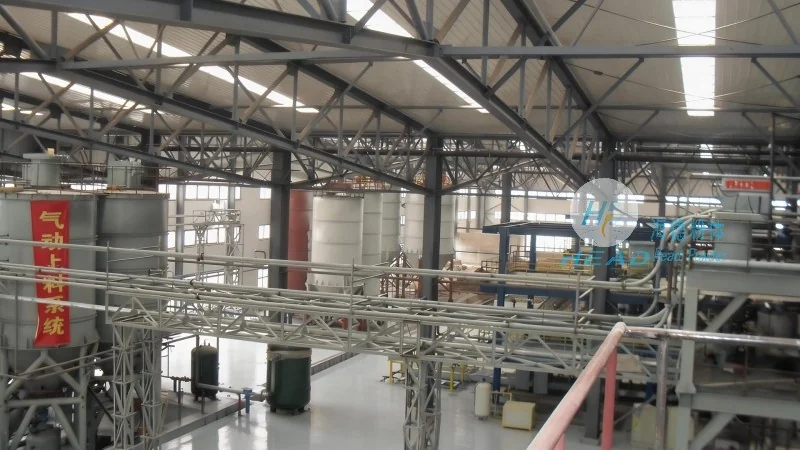
HeadPowder, headquartered in Shandong, China, specializes in engineering solutions for material handling, particularly in the processing of industrial waste and byproducts. The company’s expertise lies in designing and manufacturing advanced conveying systems tailored to the specific needs of glass slag, ensuring compliance with industry standards and operational efficiency.
Overview of Glass Slag Conveying Methods
Conveying glass slag involves moving the material from one location to another, often over considerable distances or through complex layouts. Traditional methods such as belt conveyors, screw conveyors, and bucket elevators have been used for decades, but they may face limitations when dealing with the abrasive and irregular nature of glass slag. These methods can lead to increased wear and tear on equipment, higher maintenance costs, and potential safety hazards due to the risk of material spillage or blockages.
Pneumatic Conveying: A Modern Solution for Glass Slag Handling
Pneumatic conveying, also known as air conveying, is a method that uses compressed air to transport dry bulk materials like glass slag through a pipeline system. This technology offers several advantages over traditional mechanical conveyors, making it an increasingly popular choice for glass slag handling applications. The primary benefit is the ability to handle abrasive materials without significant wear on the conveying system, as the material is suspended in air rather than being dragged along a surface.
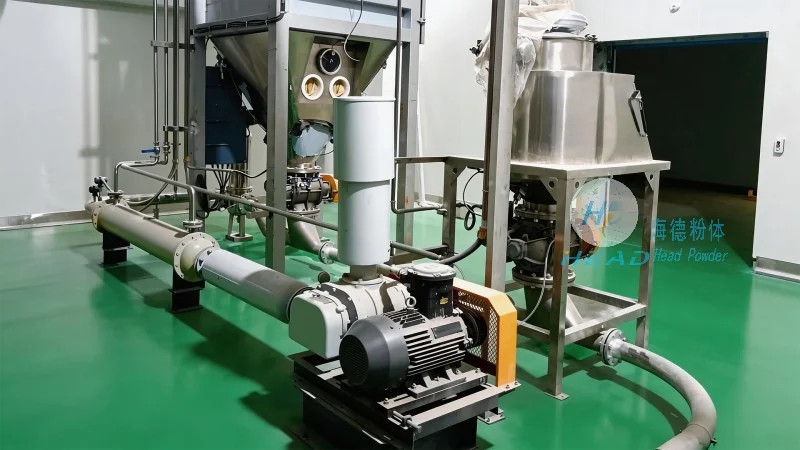
HeadPowder’s pneumatic conveying systems are engineered to deliver high performance and reliability for glass slag transport. These systems typically consist of a series of components, including a material feeder, a blower or compressor, a pipeline network, and a discharge device. The material is fed into the system, where it is mixed with air and transported through the pipeline. The design of the system, including the size of the pipeline, the pressure of the air, and the type of feeder, is critical to achieving optimal conveying efficiency and minimizing energy consumption.
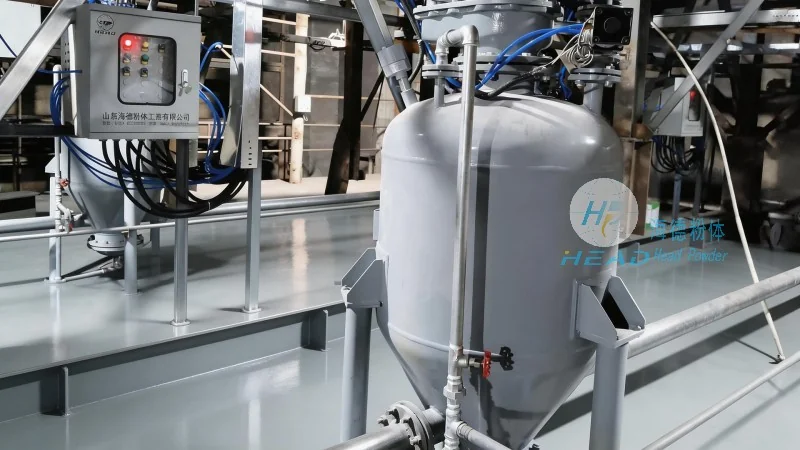
One of the key advantages of pneumatic conveying for glass slag is its ability to handle materials with high moisture content or sticky properties, which can clog traditional conveyors. The air flow helps to keep the material moving smoothly through the system, reducing the risk of blockages and ensuring consistent throughput. Additionally, pneumatic systems can be easily integrated with other processing equipment, such as crushers or classifiers, to form a complete material handling line.
Key Features and Benefits of Glass Slag Pneumatic Conveying
When considering a pneumatic conveying system for glass slag, several key features and benefits should be evaluated. First, the system’s capacity and flow rate are critical factors, as they determine the amount of material that can be transported per hour. HeadPowder’s systems are designed to handle a wide range of capacities, from small-scale applications to large industrial operations, ensuring that the system meets the specific requirements of the client.
Second, the energy efficiency of the system is an important consideration. Modern pneumatic conveying systems use advanced blower technology to minimize energy consumption while maintaining high conveying rates. This not only reduces operational costs but also contributes to environmental sustainability by lowering the carbon footprint of the material handling process.
Third, the durability and maintenance requirements of the system are essential for long-term operation. HeadPowder’s pneumatic conveying components are constructed from high-quality materials, such as stainless steel and wear-resistant alloys, to withstand the abrasive nature of glass slag. The design of the system also includes features to minimize wear, such as smooth pipeline surfaces and efficient material separation mechanisms.
Application Examples and Case Studies
HeadPowder has successfully implemented pneumatic conveying systems for glass slag handling in various industries, including glass manufacturing, recycling, and waste management. For example, a glass factory in China used a HeadPowder pneumatic conveying system to transport glass slag from the production line to a storage facility, reducing the time and labor required for manual handling by over 70%. The system’s reliability and low maintenance requirements have contributed to a significant improvement in the factory’s overall operational efficiency.
Another application involved a glass recycling plant that needed to transport glass slag from a crusher to a furnace. The HeadPowder system was designed to handle high volumes of material with varying particle sizes, ensuring that the material was conveyed efficiently without clogging the pipeline. The system’s ability to handle abrasive materials and maintain consistent flow rates has made it a preferred choice for the plant’s material handling needs.
Conclusion and Contact Information
Glass slag conveying is a critical aspect of glass manufacturing and recycling operations, and the choice of conveying method can significantly impact operational efficiency and cost. Pneumatic conveying, as demonstrated by HeadPowder’s advanced systems, offers a reliable and efficient solution for handling glass slag. By leveraging the expertise of companies like HeadPowder, industries can improve their material handling processes, reduce maintenance costs, and enhance overall productivity.
For more information on glass slag pneumatic conveying systems and other material handling solutions, please contact Shandong HeadPowder Engineering Co., Ltd., located in Shandong, China. HeadPowder’s team of engineers and technicians is dedicated to providing customized solutions that meet the unique needs of each client, ensuring that the material handling process is optimized for performance and longevity.

 Shandong Headpowder Engineering Co., Ltd.
 156-6277-7102(Quản lý Trương)
  0531-83386006
  Thành phố Tế Nam, Tỉnh Sơn Đông, Trung Quốc
Điện thoại
WeChatTư vấn
Lên đầu