Với hơn 10 năm kinh nghiệm về vận chuyển khí nén, Headpowder Sơn Đông cung cấp hệ thống, thiết bị và quạt gió toàn chuỗi, đảm nhận các dự án kỹ thuật bột trọn gói trên toàn quốc.
When it comes to the efficient handling and transportation of river sand, selecting the right conveyance method is crucial for construction projects and industrial applications. River sand, a vital component in concrete production and other building materials, requires reliable and effective transport solutions to ensure smooth operations. This article explores the various methods of river sand conveyance, highlighting the key technologies and considerations for optimal performance.
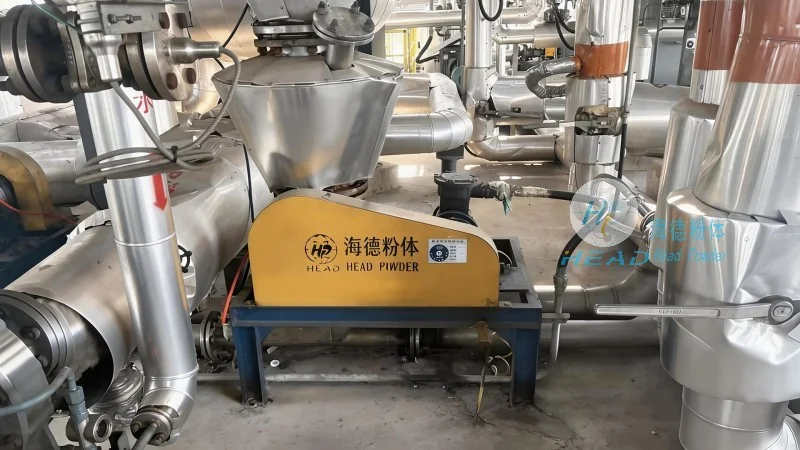
Overview of River Sand Conveyance Methods
River sand conveyance involves the movement of sand from its source, such as riverbeds or mining sites, to processing facilities or construction sites. The choice of conveyance method depends on factors like distance, volume, terrain, and the specific requirements of the project. Common methods include mechanical systems like belt conveyors, vertical lift equipment, and pumping systems, each with its own advantages and applications.
1. Belt Conveyor Systems for River Sand Transport
Belt conveyors are among the most widely used methods for transporting river sand due to their high capacity, low maintenance, and ability to cover long distances. These systems consist of a continuous belt that moves material along a series of rollers or idlers. For river sand, specialized belt conveyors with reinforced belts and heavy-duty pulleys are often employed to handle the abrasive nature of the sand. The design typically includes a hopper at the inlet to feed the sand onto the belt, followed by a series of inclines or declines to adjust the transport path. Belt conveyors are particularly effective for horizontal and slightly inclined transport, making them suitable for moving sand from stockpiles to processing plants or from production sites to construction areas.
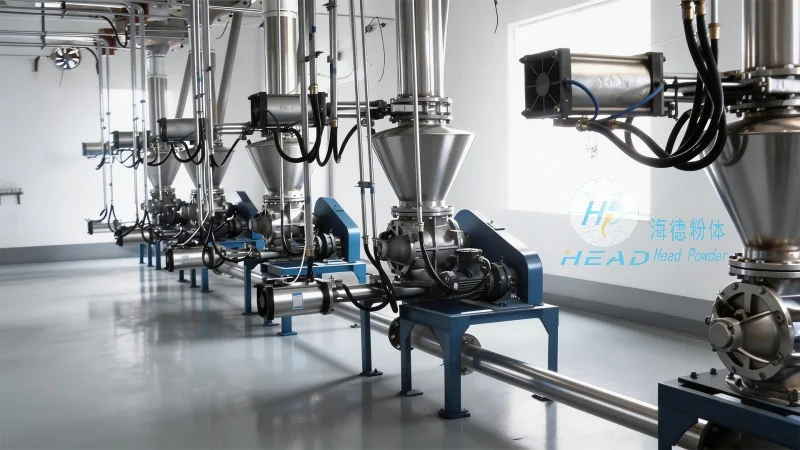
2. Vertical Lift Equipment: Elevators and Hoists
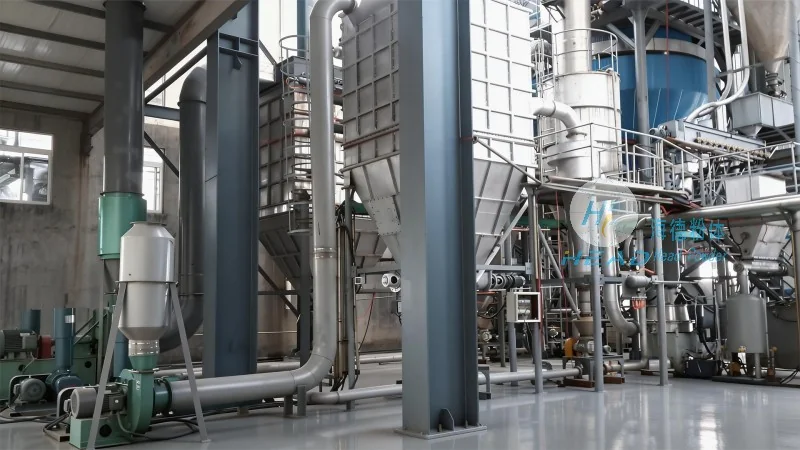
For vertical or high-rise applications, vertical lift equipment such as bucket elevators or chain hoists are essential for transporting river sand. These systems use a vertical conveyor to move material upward, often with a series of buckets or chains that carry the sand from the bottom to the top. Bucket elevators are commonly used in concrete mixing plants and sand processing facilities, where sand needs to be lifted to elevated storage silos or processing units. The design of vertical lift equipment includes a drive system at the top, a hopper at the bottom, and a series of buckets attached to a belt or chain that rotates around a drive pulley. This method is ideal for transporting sand vertically over significant heights, ensuring consistent and reliable delivery without the need for horizontal transport.
3. Pumping Systems: Slurry Pumps and Hydraulic Conveyors
Pumping systems are another effective method for conveying river sand, especially when dealing with wet or slurry-like conditions. Slurry pumps, such as centrifugal or positive displacement pumps, can transport sand mixed with water over long distances. Hydraulic conveyors, which use high-pressure water to move sand through pipes, are also used in some applications. These systems are particularly useful for transporting sand from riverbeds to processing plants or for delivering sand to remote construction sites. The key advantage of pumping systems is their ability to handle abrasive materials and maintain consistent flow rates, even over long distances. However, they require proper maintenance to prevent wear and ensure efficient operation.
4. Combination Systems: Integrating Multiple Technologies
In many cases, a combination of conveyance methods is used to optimize the transport of river sand. For example, a belt conveyor might transport sand horizontally from a stockpile to a vertical lift system, which then elevates the sand to a processing facility. This integrated approach allows for efficient handling of large volumes of sand while minimizing energy consumption and operational costs. Companies like Shandong HeadPowder Engineering Co., Ltd. specialize in designing and manufacturing customized conveyance systems that integrate multiple technologies to meet the specific needs of their clients. Their expertise in mechanical engineering and material handling ensures that the chosen system is both effective and cost-efficient.
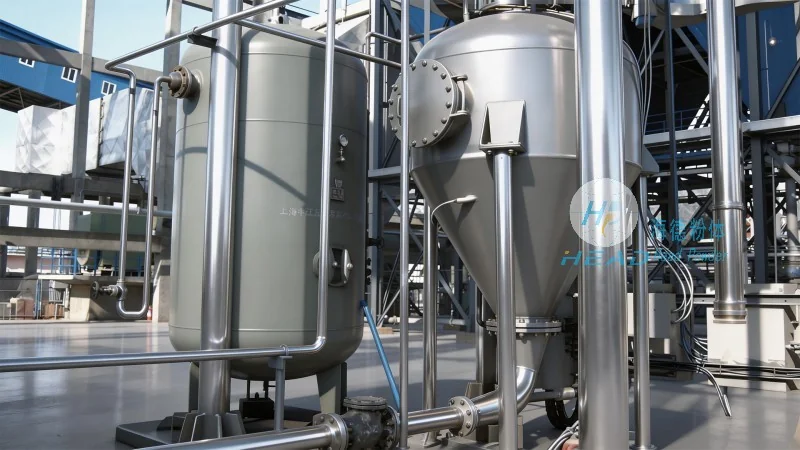
Conclusion: Choosing the Right River Sand Conveyance Method
Selecting the appropriate river sand conveyance method requires careful consideration of project requirements, material characteristics, and operational constraints. Belt conveyors offer high capacity and reliability for horizontal transport, while vertical lift equipment is ideal for vertical movement. Pumping systems are effective for wet or slurry conditions and long-distance transport. By understanding the strengths and limitations of each method, project managers can choose the most suitable solution to ensure efficient and cost-effective sand handling. Shandong HeadPowder Engineering Co., Ltd., with its extensive experience in the industry, provides comprehensive solutions tailored to the unique needs of each project, helping clients achieve optimal performance in their sand conveyance operations.

 Shandong Headpowder Engineering Co., Ltd.
 156-6277-7102(Quản lý Trương)
  0531-83386006
  Thành phố Tế Nam, Tỉnh Sơn Đông, Trung Quốc
Điện thoại
WeChatTư vấn
Lên đầu