Với hơn 10 năm kinh nghiệm về vận chuyển khí nén, Headpowder Sơn Đông cung cấp hệ thống, thiết bị và quạt gió toàn chuỗi, đảm nhận các dự án kỹ thuật bột trọn gói trên toàn quốc.
For industrial applications, the efficient and reliable transportation of cement additives is crucial to maintaining production efficiency and product quality. As a leading provider in the field, Shandong HeadPowder Engineering Co., Ltd., based in Shandong, China, specializes in advanced conveying solutions tailored to the unique needs of cement processing facilities. This article explores common cement additive conveying methods, with a focus on the benefits and applications of pneumatic conveying systems.
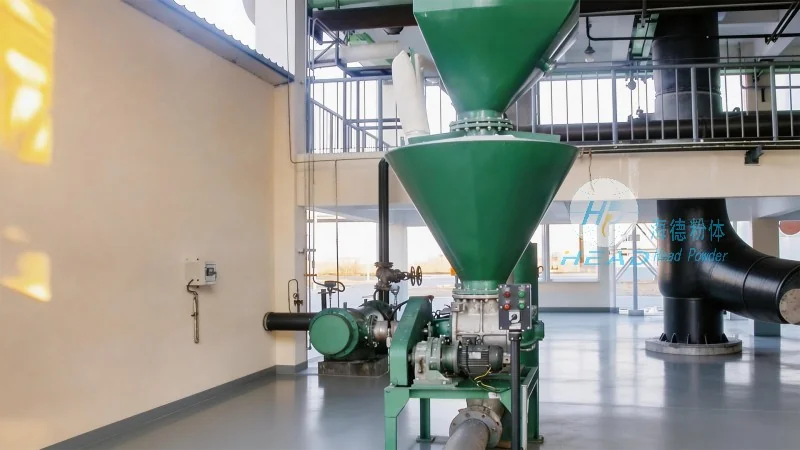
Cement Additive Conveying Methods Overview
In the cement industry, various additives such as fly ash, slag, limestone, and gypsum are commonly used to enhance the performance of cement. These materials must be transported from storage silos or processing units to the main production line with minimal loss, contamination, and energy consumption. Traditional conveying methods include screw conveyors, belt conveyors, and bucket elevators, each with its own advantages and limitations. However, for high-volume, long-distance, or dusty material transport, pneumatic conveying has emerged as a preferred solution due to its flexibility, cleanliness, and ability to handle a wide range of particle sizes.
Pneumatic Conveying Systems for Cement Additives
Pneumatic conveying, also known as air-pneumatic conveying, utilizes compressed air to move bulk materials through a pipeline system. This method is particularly effective for cement additives because it can transport dry powders or fine particles without the need for mechanical contact, reducing wear and tear on equipment. Shandong HeadPowder Engineering Co., Ltd. offers customized pneumatic conveying systems that can be designed for either pressure or vacuum operation, depending on the specific requirements of the application.
Key Components of Pneumatic Conveying Systems
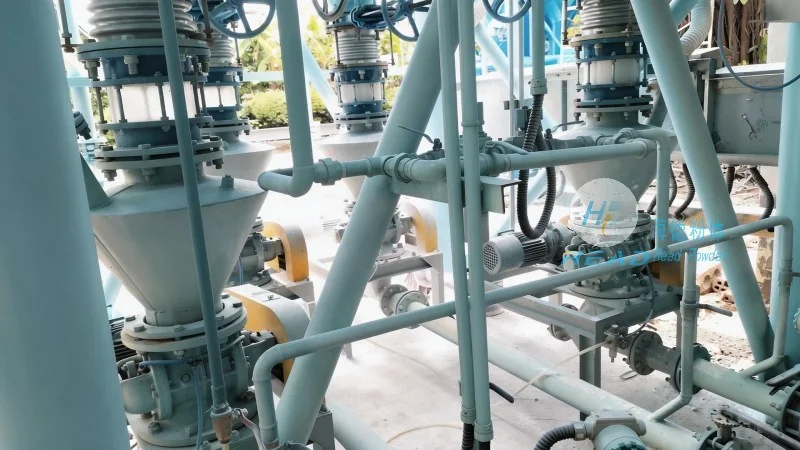
The core components of a pneumatic conveying system for cement additives typically include a material feeder, a conveying line, a control valve, a filter, and a receiver. The material feeder ensures a consistent flow of additives into the system, while the conveying line transports the material to the desired location. The control valve regulates the air flow and pressure, maintaining optimal conditions for efficient transport. The filter captures any fine particles or dust, ensuring that the air discharged is clean and safe for the environment. The receiver collects the conveyed material, ready for use in the cement production process.
Advantages of Pneumatic Conveying for Cement Additives
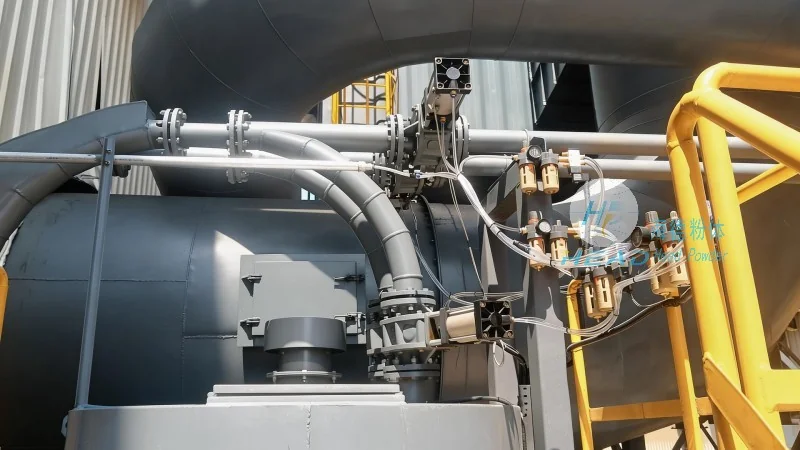
Compared to traditional mechanical conveying methods, pneumatic conveying offers several advantages that make it ideal for cement additive transport. First, it provides a clean and dust-free environment, which is essential for maintaining product quality and preventing contamination. Second, the system can handle a wide range of particle sizes and moisture contents, making it versatile for different types of additives. Third, pneumatic conveying is energy-efficient, as it uses compressed air to move materials rather than mechanical components that require constant power. Additionally, the system is flexible and can be easily expanded or modified to accommodate changes in production volume or material types.
Application Examples in Cement Production
Shandong HeadPowder Engineering Co., Ltd. has successfully implemented pneumatic conveying systems in numerous cement production facilities. For example, in a large-scale cement plant, the company installed a pressure pneumatic conveying system to transport fly ash from a storage silo to the raw material grinding unit. The system was designed to handle 50 tons per hour of fly ash, with a conveying distance of 200 meters. The result was a significant reduction in material handling time and labor costs, while maintaining the quality of the fly ash. Another application involved the transport of limestone powder from a quarry to the cement plant, where a vacuum pneumatic conveying system was used to move the material over a distance of 500 meters. The system proved to be reliable and efficient, with minimal downtime and maintenance requirements.
Customization and Maintenance Considerations
At Shandong HeadPowder Engineering Co., Ltd., we understand that each cement plant has unique requirements. Therefore, our pneumatic conveying systems are fully customizable to meet the specific needs of our clients. We work closely with our customers to design systems that optimize material flow, minimize energy consumption, and ensure long-term reliability. Regular maintenance is also crucial to the performance of pneumatic conveying systems. Our team provides comprehensive maintenance services, including filter replacement, air compressor maintenance, and system inspections, to ensure that the equipment operates at peak efficiency. By partnering with Shandong HeadPowder Engineering Co., Ltd., cement producers can benefit from advanced conveying solutions that enhance productivity and reduce operational costs.

 Shandong Headpowder Engineering Co., Ltd.
 156-6277-7102(Quản lý Trương)
  0531-83386006
  Thành phố Tế Nam, Tỉnh Sơn Đông, Trung Quốc
Điện thoại
WeChatTư vấn
Lên đầu