Với hơn 10 năm kinh nghiệm về vận chuyển khí nén, Headpowder Sơn Đông cung cấp hệ thống, thiết bị và quạt gió toàn chuỗi, đảm nhận các dự án kỹ thuật bột trọn gói trên toàn quốc.
Efficient and reliable conveying of dusty coke powder is crucial in industrial applications, particularly in the steel and metallurgical sectors. The proper selection of conveying methods ensures safety, minimizes material loss, and maintains operational efficiency. This article explores the various methods employed for transporting dusty coke powder, highlighting the key considerations and benefits of each approach.
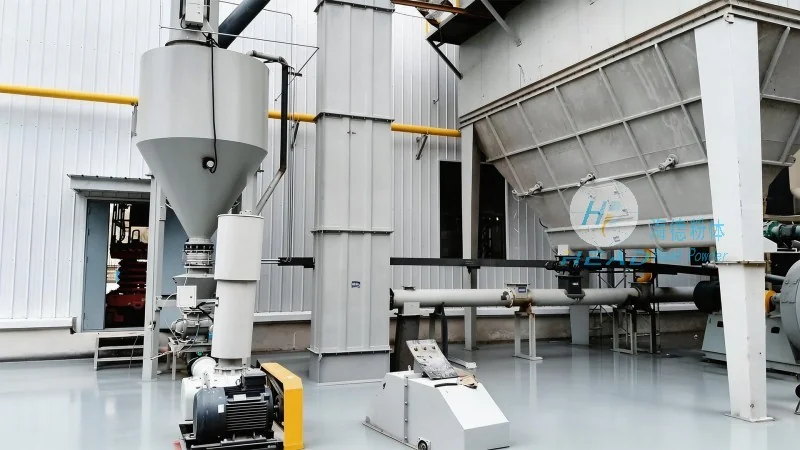
Understanding Dusty Coke Powder Conveying
Dusty coke powder, a byproduct of coke production, is a fine, abrasive material that requires specialized handling to prevent dust dispersion and equipment wear. Conveying systems must be designed to handle the material's properties, such as its particle size, moisture content, and flow characteristics. The choice of conveying method depends on factors like the distance to be covered, the volume of material, and the environmental regulations in place.
Common Conveying Methods for Dusty Coke Powder
Several methods are commonly used for the transport of dusty coke powder, each with its own advantages and applications. The most prevalent approaches include screw conveyors, pneumatic conveying systems, and belt conveyors. Each method is selected based on the specific requirements of the industrial process and the characteristics of the coke powder.
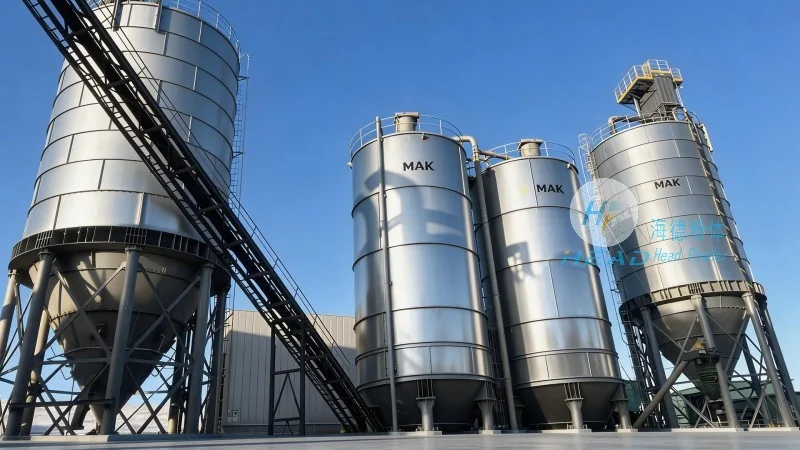
Screw Conveyors for Dusty Coke Powder
Screw conveyors, also known as auger conveyors, are widely used for the horizontal or slight inclined transport of dusty coke powder. These systems consist of a rotating screw blade inside a trough, which moves the material forward through the conveyor. Screw conveyors are particularly effective for short to medium distances and are suitable for handling dry, free-flowing materials. They offer advantages such as enclosed design, which helps contain dust and prevent environmental contamination. Additionally, screw conveyors are relatively low-cost and easy to install, making them a popular choice for many industrial applications.
Pneumatic Conveying Systems
Pneumatic conveying, or air-powered transport, is another effective method for moving dusty coke powder. This system uses compressed air to transport the material through a pipeline. There are two main types of pneumatic conveying: dilute-phase and dense-phase. Dilute-phase systems are suitable for short distances and low material loads, while dense-phase systems are ideal for longer distances and higher material volumes. Pneumatic conveying offers the benefit of a fully enclosed system, which minimizes dust emissions and ensures a clean working environment. However, it requires more energy compared to other methods and may be less efficient for very fine or abrasive materials.
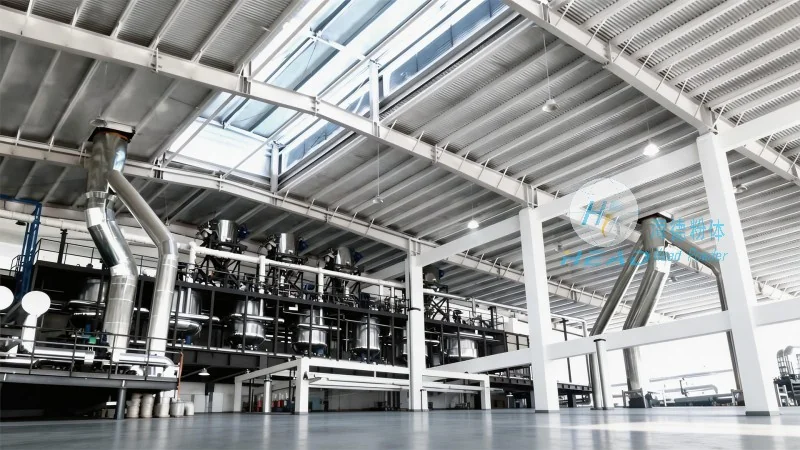
Belt Conveyors for Dusty Coke Powder
Belt conveyors are commonly used for the horizontal or slightly inclined transport of dusty coke powder over longer distances. These systems consist of a continuous belt that moves the material from one point to another. Belt conveyors are particularly effective for handling large volumes of material and can be adapted for various industrial settings. They offer advantages such as high capacity, low maintenance, and the ability to transport materials over significant distances. However, belt conveyors require regular maintenance to prevent wear and tear, and they may not be suitable for very fine or abrasive materials that could damage the belt.
Other Conveying Options
In addition to the primary methods mentioned above, other options may be considered for specific applications. For example, bucket elevators are used for vertical transport of dusty coke powder, while bucket-wheel conveyors are suitable for handling materials in stockpiles. These systems are typically used in combination with other conveying methods to form a complete material handling system.
Key Considerations for Selecting a Conveying Method
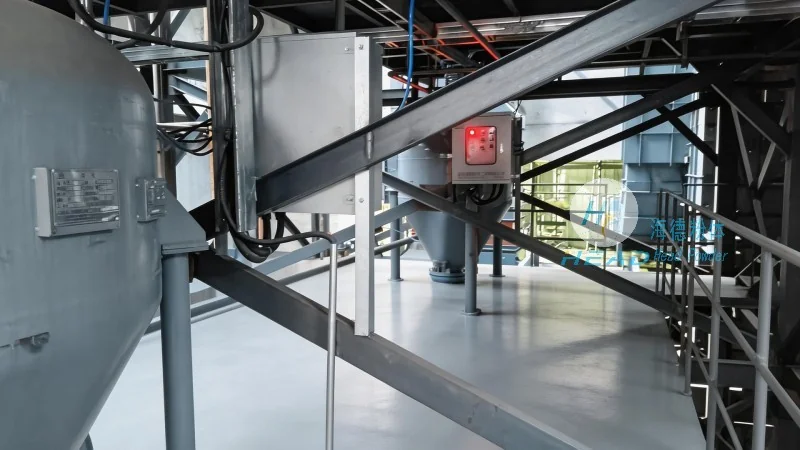
When selecting a conveying method for dusty coke powder, several factors must be considered to ensure optimal performance and safety. The first consideration is the distance and layout of the transport route. Short distances may be suitable for screw conveyors, while longer distances may require pneumatic or belt conveyors. The second factor is the material's properties, including particle size, moisture content, and abrasiveness. These characteristics will determine the type of equipment needed and the necessary maintenance schedule. The third consideration is environmental regulations and safety standards. Conveying systems must comply with local regulations regarding dust emissions and worker safety. Finally, the cost of the system and its maintenance must be evaluated to ensure it fits within the budget and operational requirements.
Conclusion
Choosing the right conveying method for dusty coke powder is essential for maintaining operational efficiency and safety in industrial processes. Screw conveyors, pneumatic systems, and belt conveyors are the most common options, each with its own advantages and limitations. By considering the specific requirements of the application, such as distance, material properties, and environmental regulations, industrial facilities can select the most suitable conveying method. Shandong HeadPowder Engineering Co., Ltd., based in China, specializes in providing customized material handling solutions, including dust control and conveying systems, to meet the diverse needs of the steel and metallurgical industries.

 Shandong Headpowder Engineering Co., Ltd.
 156-6277-7102(Quản lý Trương)
  0531-83386006
  Thành phố Tế Nam, Tỉnh Sơn Đông, Trung Quốc
Điện thoại
WeChatTư vấn
Lên đầu