Với hơn 10 năm kinh nghiệm về vận chuyển khí nén, Headpowder Sơn Đông cung cấp hệ thống, thiết bị và quạt gió toàn chuỗi, đảm nhận các dự án kỹ thuật bột trọn gói trên toàn quốc.
For industrial applications, the efficient and reliable transportation of cement and gypsum powders is crucial to maintaining production efficiency and product quality. Various conveying methods are available, each with distinct advantages and limitations. This article provides a detailed comparison of common cement and gypsum powder conveying methods, highlighting the key factors to consider when selecting the most suitable system for specific operational needs.
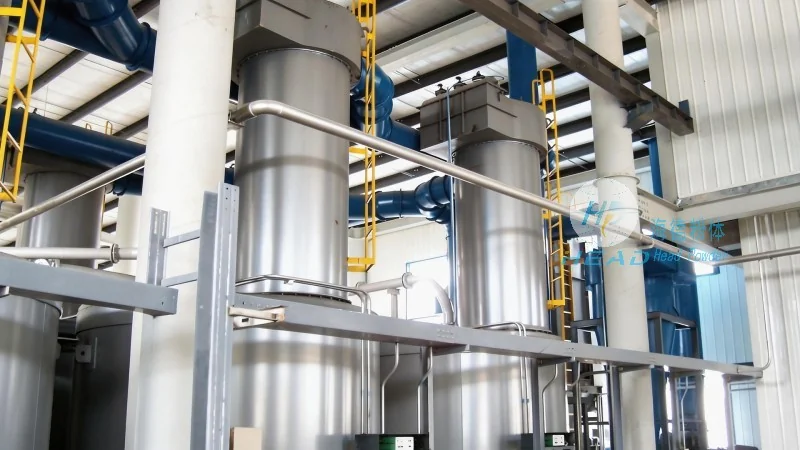
Introduction to Cement and Gypsum Powder Conveying Systems
Cement and gypsum powders are widely used in construction, manufacturing, and other industrial sectors. These materials are typically fine, dry powders that require specialized handling to prevent dust, caking, and material loss. The choice of conveying method depends on factors such as material properties, production capacity, distance, and environmental regulations. Understanding the characteristics of different conveying systems helps in making informed decisions to optimize operational performance.
Key Considerations for Selecting a Conveying Method
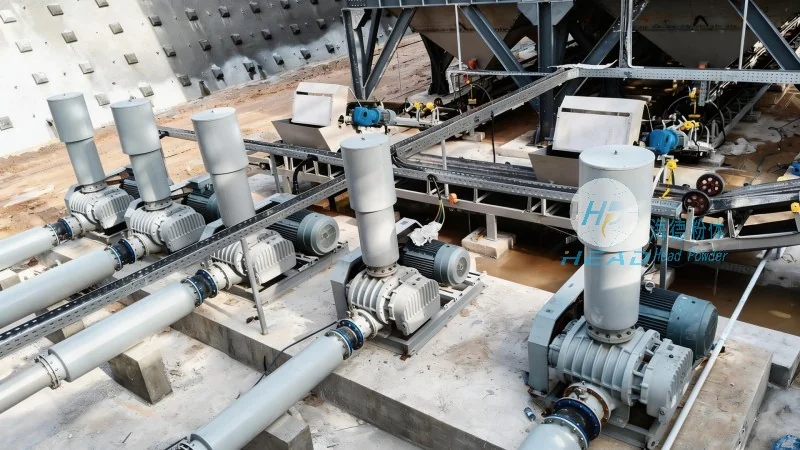
Before evaluating specific conveying technologies, it is essential to consider several key factors that influence the suitability of a system. These include the particle size and density of the material, the required conveying distance and speed, the need for dust control, and the space availability at the installation site. Additionally, the budget constraints and maintenance requirements of the system play a significant role in the final selection. By addressing these considerations, businesses can narrow down the options and focus on the most appropriate conveying solutions.
1. Pneumatic Conveying Systems
Pneumatic conveying, also known as air conveying, is a widely used method for transporting cement and gypsum powders. This system utilizes air pressure or vacuum to move the material through a pipeline. There are two main types of pneumatic conveying: pressure and vacuum systems. Pressure systems use compressed air to push the material forward, while vacuum systems use a vacuum to draw the material into the pipeline. Pneumatic conveying offers several advantages, including high conveying capacity, flexibility in layout, and the ability to transport materials over long distances. However, it may require more energy compared to other methods and may be susceptible to material degradation if not properly maintained.
2. Screw Conveyors
Screw conveyors, also known as auger conveyors, are another common method for transporting cement and gypsum powders. These systems consist of a rotating screw inside a trough or tube, which moves the material along the length of the conveyor. Screw conveyors are particularly effective for handling dry, free-flowing powders and can be used in both horizontal and inclined configurations. They offer advantages such as simplicity, low maintenance, and the ability to handle a wide range of materials. However, screw conveyors may not be suitable for materials with high moisture content or those that tend to clog the screw. Additionally, they are generally limited to shorter conveying distances compared to pneumatic systems.
3. Belt Conveyors
Belt conveyors are widely used in bulk material handling applications, including the transport of cement and gypsum powders. These systems consist of a continuous belt that moves over rollers, transporting the material from one point to another. Belt conveyors are known for their high capacity, durability, and ability to handle heavy loads. They are particularly suitable for long-distance and high-volume conveying tasks. However, belt conveyors require more space and may be more complex to install compared to other methods. Additionally, they may not be ideal for materials that are prone to spillage or that require precise control over the material flow.
4. Hydraulic Conveying
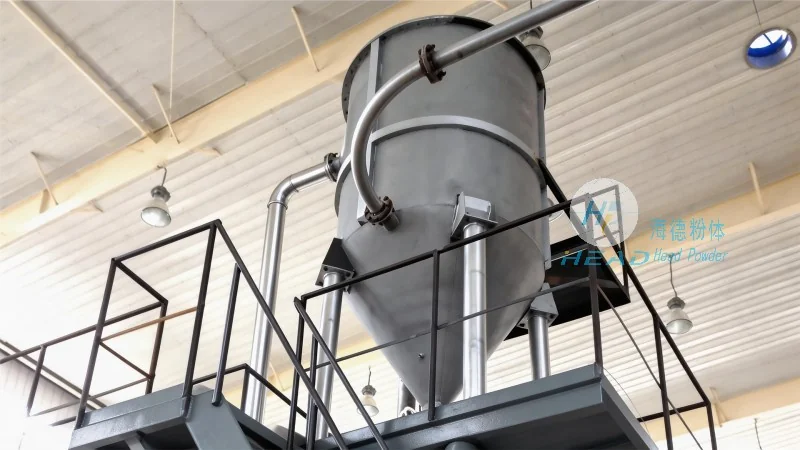
Hydraulic conveying systems use a liquid medium, typically water or a mixture of water and additives, to transport cement and gypsum powders. The material is suspended in the liquid and moved through a pipeline under pressure. This method is particularly effective for handling materials with high moisture content or those that are difficult to convey using other methods. Hydraulic conveying offers advantages such as the ability to transport materials over long distances with minimal energy consumption and the prevention of dust generation. However, it requires additional equipment for liquid handling and may be more expensive to install and maintain compared to pneumatic or screw conveyors.
5. Vibrating Conveyors
Vibrating conveyors use vibrations to move cement and gypsum powders along a trough or tube. The system consists of a conveyor bed that is vibrated at a specific frequency and amplitude, causing the material to move forward. Vibrating conveyors are suitable for handling materials with varying particle sizes and those that tend to settle or clog. They offer advantages such as low maintenance, the ability to handle sticky or cohesive materials, and the ability to transport materials over inclined or horizontal paths. However, vibrating conveyors may not be suitable for materials that are highly abrasive or that require high conveying speeds. Additionally, they may generate noise and vibration that could affect the surrounding environment.
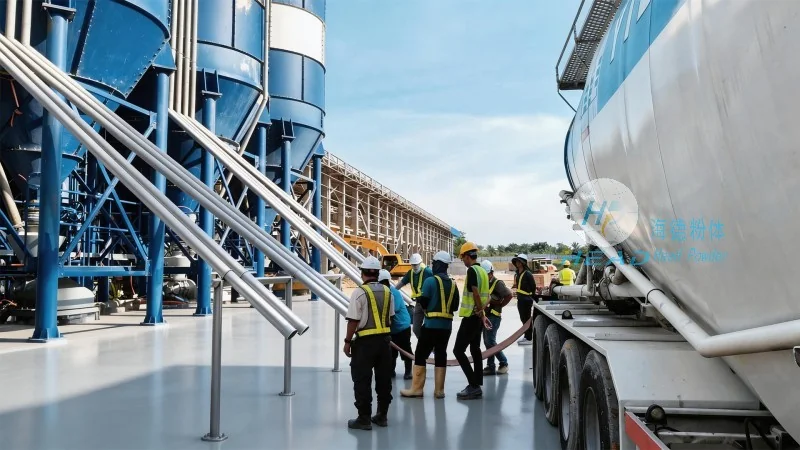
Company Profile: Shandong HeadPowder Engineering Co., Ltd.
Shandong HeadPowder Engineering Co., Ltd., commonly known as HeadPowder, is a leading provider of specialized conveying solutions for cement and gypsum powders. With years of experience in the industry, HeadPowder offers a range of high-quality conveying systems tailored to meet the diverse needs of its clients. The company's expertise lies in designing and manufacturing customized solutions that optimize material handling efficiency, reduce operational costs, and ensure compliance with environmental regulations. HeadPowder's commitment to quality and innovation has made it a trusted partner for businesses across various industries, including construction, manufacturing, and mining.
Conclusion: Choosing the Right Conveying Method
Choosing the right cement and gypsum powder conveying method is a critical decision that can significantly impact operational efficiency and product quality. By considering factors such as material properties, conveying distance, and budget constraints, businesses can select the most suitable system for their specific needs. Whether it is pneumatic, screw, belt, hydraulic, or vibrating conveyors, each method has its own advantages and limitations. It is essential to evaluate these factors carefully and consult with industry experts to ensure the optimal selection. With the right conveying system in place, businesses can enhance their production capabilities, reduce material losses, and maintain a competitive edge in the market.

 Shandong Headpowder Engineering Co., Ltd.
 156-6277-7102(Quản lý Trương)
  0531-83386006
  Thành phố Tế Nam, Tỉnh Sơn Đông, Trung Quốc
Điện thoại
WeChatTư vấn
Lên đầu