Với hơn 10 năm kinh nghiệm về vận chuyển khí nén, Headpowder Sơn Đông cung cấp hệ thống, thiết bị và quạt gió toàn chuỗi, đảm nhận các dự án kỹ thuật bột trọn gói trên toàn quốc.
Designing an efficient and reliable rice bran pneumatic conveying system is crucial for industries dealing with rice bran processing. A well-planned system ensures smooth material transport, reduces operational costs, and enhances overall production efficiency. This article provides a comprehensive guide on the key considerations and steps involved in designing a suitable rice bran pneumatic conveying system, tailored to meet the specific needs of industrial applications.
Understanding the Core Requirements for Rice Bran Pneumatic Conveying
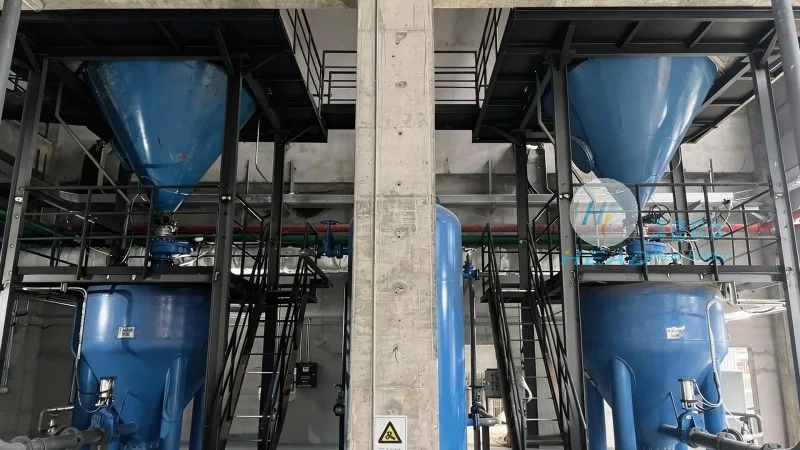
Before diving into the design process, it is essential to understand the fundamental requirements of a rice bran pneumatic conveying system. Rice bran, with its unique physical properties such as particle size, moisture content, and flowability, demands a system that can handle these characteristics effectively. The system must be capable of transporting rice bran from storage silos to processing units, or between different stages of the production line, with minimal loss and maximum efficiency. Key factors to consider include the required conveying capacity, the distance and elevation changes, and the environmental conditions where the system will operate.
Choosing the Right Pneumatic Conveying Technology
There are primarily two types of pneumatic conveying systems: pressure and vacuum. For rice bran, which is typically dry and free-flowing, pressure systems are often preferred due to their ability to handle higher capacities and longer distances. Pressure systems use positive pressure to push the material through a network of pipes, while vacuum systems use negative pressure to pull the material. The choice between these technologies depends on the specific application, with pressure systems being more suitable for long-distance and high-capacity transport, and vacuum systems better for short-distance and low-capacity needs. Additionally, the selection of the appropriate conveying medium, such as air or a mixture of air and other gases, is critical to ensure optimal performance.
System Layout and Pipe Design Considerations
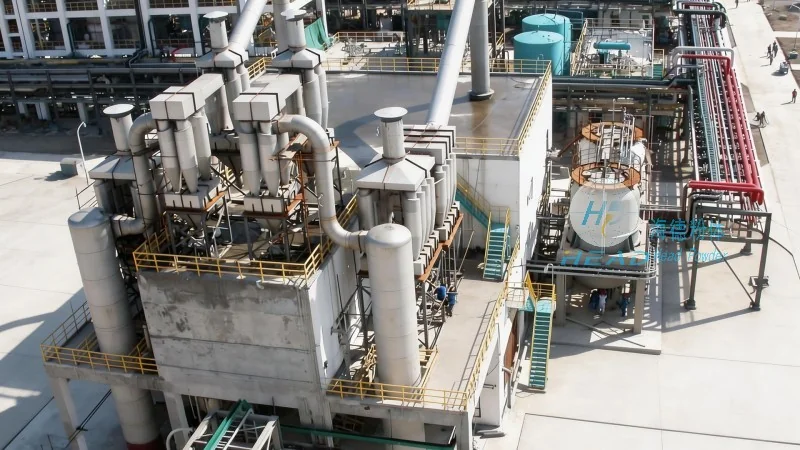
The layout of the pneumatic conveying system plays a vital role in its efficiency and reliability. The design should minimize the number of bends and changes in direction, as these can cause material buildup and increase pressure drop. The pipe diameter is another critical factor; it must be large enough to prevent excessive pressure loss and ensure smooth material flow. For rice bran, a larger pipe diameter is generally recommended to reduce friction and maintain consistent flow rates. The material of the pipes, such as stainless steel or PVC, should be chosen based on the chemical compatibility with rice bran and the cleaning requirements. Proper sealing and jointing are also essential to prevent air leakage and maintain system efficiency.
Selection of Conveying Equipment
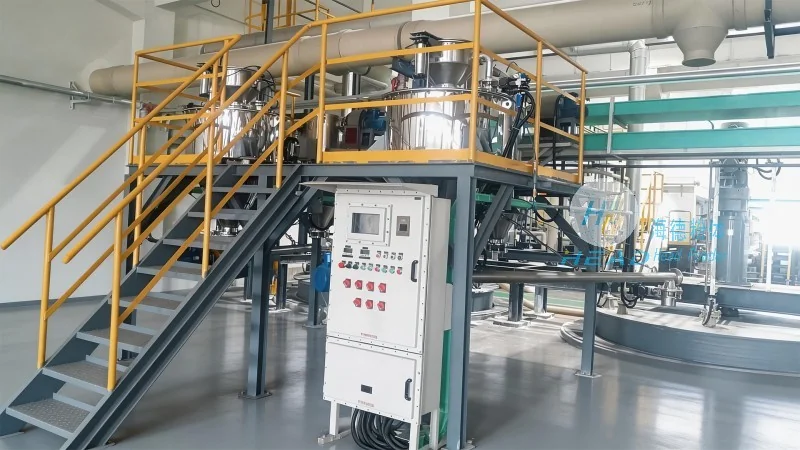
The key equipment in a pneumatic conveying system includes the blower or compressor, the hopper or feeder, and the receiver or silo. The blower or compressor must be selected based on the required pressure and flow rate. For rice bran, a high-efficiency blower with sufficient power to handle the material's resistance is recommended. The feeder, which can be a rotary valve or a screw feeder, should be designed to provide a consistent flow of rice bran into the system. The receiver, where the material is deposited, must be equipped with proper dust collection and filtration to prevent contamination and ensure environmental compliance.
Control and Monitoring Systems
Implementing a robust control and monitoring system is essential for the smooth operation of the pneumatic conveying system. This system should include sensors to monitor pressure, flow rate, and material level, as well as alarms and safety features to prevent overpressure or system failure. The control system should be able to adjust the blower speed or pressure in real-time based on the system's performance, ensuring optimal operation under varying conditions. Additionally, regular maintenance and inspection of the system components are crucial to prevent breakdowns and extend the system's lifespan.
Case Study: A Successful Rice Bran Pneumatic Conveying System by Shandong HeadPowder Engineering Co., Ltd.
Shandong HeadPowder Engineering Co., Ltd., a leading provider of pneumatic conveying solutions, has successfully designed and implemented a rice bran pneumatic conveying system for a major rice bran processing plant in China. The system, tailored to the client's specific requirements, includes a pressure conveying system with a capacity of 10 tons per hour, covering a distance of 200 meters with a vertical lift of 15 meters. The system features stainless steel pipes, a high-efficiency blower, and a rotary valve feeder, ensuring smooth and efficient transport of rice bran from the storage silo to the processing unit. The client reported significant improvements in production efficiency and reduced operational costs after the system was installed, highlighting the effectiveness of the design and implementation by HeadPowder.

 Shandong Headpowder Engineering Co., Ltd.
 156-6277-7102(Quản lý Trương)
  0531-83386006
  Thành phố Tế Nam, Tỉnh Sơn Đông, Trung Quốc
Điện thoại
WeChatTư vấn
Lên đầu