Với hơn 10 năm kinh nghiệm về vận chuyển khí nén, Headpowder Sơn Đông cung cấp hệ thống, thiết bị và quạt gió toàn chuỗi, đảm nhận các dự án kỹ thuật bột trọn gói trên toàn quốc.
For industrial operations, especially in power plants and cement factories, the efficient and reliable transport of dust and fly ash is crucial for maintaining operational efficiency and ensuring environmental compliance. HeadPowder, a leading provider of dust handling solutions, specializes in various conveying methods tailored to different industrial needs. This article explores the primary types of dust and fly ash conveying systems, highlighting their applications, advantages, and considerations.
Introduction to Dust and Fly Ash Conveying
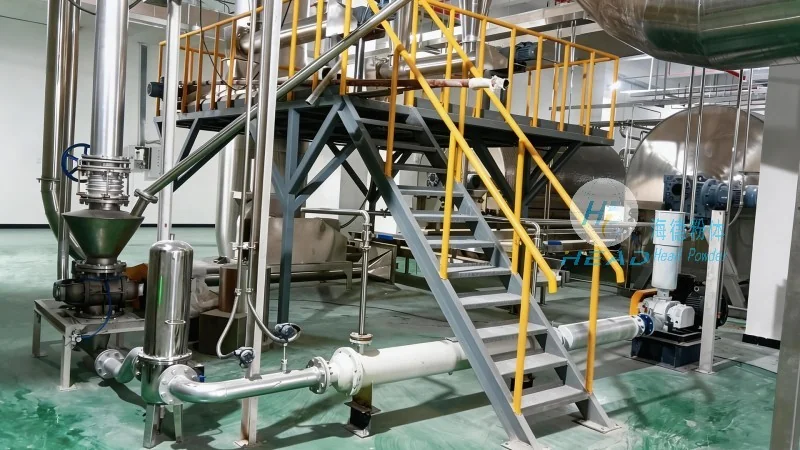
Dust and fly ash, byproducts of combustion processes, require specialized handling to prevent environmental contamination and ensure safe operation. Conveying systems are essential for transporting these materials from collection points to storage or processing facilities. The choice of conveying method depends on factors such as material properties, distance, volume, and environmental regulations. HeadPowder offers a range of solutions designed to meet these diverse requirements, ensuring optimal performance and durability.
Common Conveying Methods for Dust and Fly Ash
Several conveying methods are widely used in the industry, each with distinct characteristics and applications. The most common types include:
1. Air-Pneumatic Conveying Systems
Air-pneumatic conveying, also known as pneumatic conveying, is a popular method for transporting dust and fly ash due to its ability to handle fine particles and long distances. This system uses compressed air to move material through a pipeline. There are two main types: dilute-phase and dense-phase conveying. Dilute-phase systems are suitable for short distances and low to medium material loads, while dense-phase systems are ideal for longer distances and higher material volumes. HeadPowder's pneumatic conveying solutions are engineered to handle various particle sizes and moisture content, ensuring consistent performance and minimal maintenance.
2. Belt Conveyors
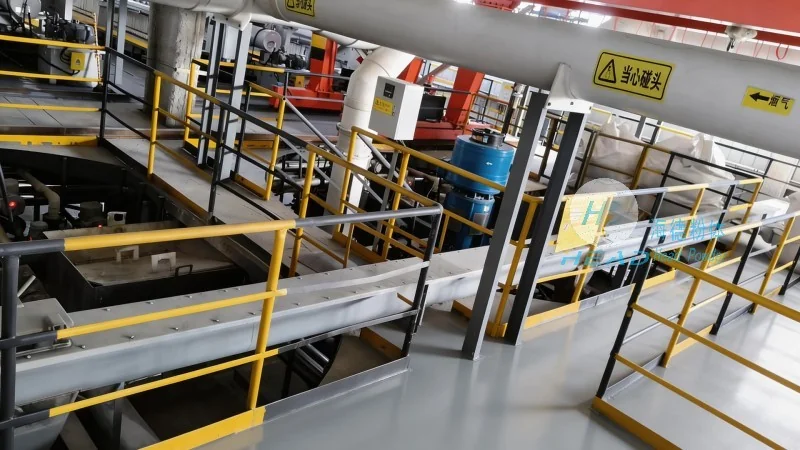
Belt conveyors are a classic and widely used method for transporting bulk materials, including dust and fly ash. These systems consist of a continuous belt that moves material along a fixed path. Belt conveyors are particularly effective for horizontal and slightly inclined transport, with the ability to handle large volumes of material. They are often used in combination with other equipment, such as feeders and elevators, to create a complete material handling system. HeadPowder's belt conveyor solutions are designed for durability and efficiency, with options for different belt materials and widths to suit specific industrial applications.
3. Screw Conveyors
Screw conveyors, also known as auger conveyors, use a rotating screw to move material along a trough. This method is suitable for transporting fine to medium-sized particles and is commonly used for horizontal or slight incline transport. Screw conveyors are ideal for applications where space is limited or where the material needs to be elevated. They are often used in conjunction with other equipment, such as hoppers and mixers, to facilitate material handling. HeadPowder's screw conveyor systems are built with high-quality materials and robust construction, ensuring reliable operation and minimal downtime.
4. Hydraulic Conveying
Hydraulic conveying systems use water or other liquids to transport dust and fly ash. This method is particularly effective for handling wet or sticky materials and is commonly used in mining and mineral processing industries. Hydraulic conveyors can transport material over long distances and at high velocities, making them suitable for large-scale operations. HeadPowder's hydraulic conveying solutions are designed to handle various material properties, with options for different pump sizes and pipeline configurations to meet specific operational needs.
Choosing the Right Conveying Method
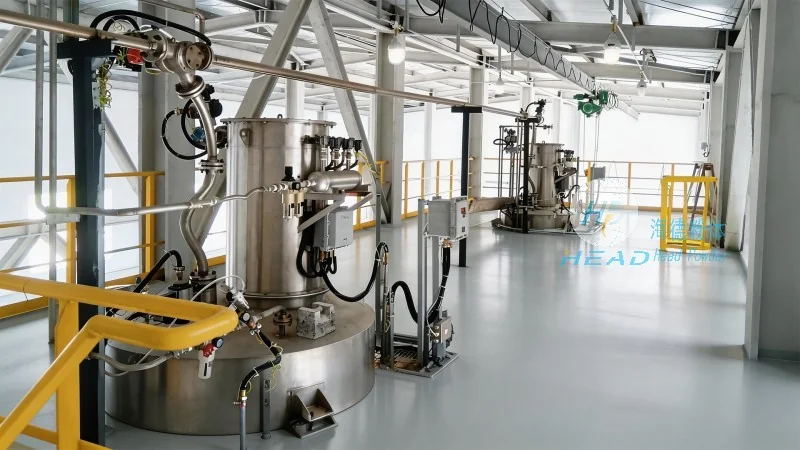
The selection of the most appropriate dust and fly ash conveying method depends on several factors, including the material's physical properties, the distance to be covered, the required capacity, and the environmental regulations in place. HeadPowder provides comprehensive consultation services to help clients evaluate their specific needs and choose the best conveying solution. Our experts consider factors such as particle size, moisture content, and abrasiveness to recommend systems that maximize efficiency and minimize operational costs.
Benefits of Professional Dust Handling Solutions
Implementing the right dust and fly ash conveying system offers numerous benefits for industrial operations. These include improved operational efficiency, reduced downtime, and enhanced environmental compliance. HeadPowder's solutions are designed to minimize material loss, prevent contamination, and ensure safe handling of dust and fly ash. By choosing a reliable conveying system from HeadPowder, businesses can achieve consistent performance and long-term cost savings.
Conclusion
In conclusion, the efficient transport of dust and fly ash is critical for maintaining the productivity and environmental responsibility of industrial operations. HeadPowder, with its expertise in dust handling solutions, offers a range of conveying methods tailored to meet diverse industrial needs. Whether through pneumatic, belt, screw, or hydraulic systems, HeadPowder provides reliable and effective solutions that enhance operational performance and ensure compliance with industry standards. For businesses seeking to optimize their dust and fly ash handling processes, HeadPowder is a trusted partner in providing high-quality, durable, and efficient conveying systems.

 Shandong Headpowder Engineering Co., Ltd.
 156-6277-7102(Quản lý Trương)
  0531-83386006
  Thành phố Tế Nam, Tỉnh Sơn Đông, Trung Quốc
Điện thoại
WeChatTư vấn
Lên đầu