Với hơn 10 năm kinh nghiệm về vận chuyển khí nén, Headpowder Sơn Đông cung cấp hệ thống, thiết bị và quạt gió toàn chuỗi, đảm nhận các dự án kỹ thuật bột trọn gói trên toàn quốc.
Calcium oxide, commonly known as quicklime, is a widely used chemical in various industries such as construction, steel production, and chemical manufacturing. The efficient and safe transportation of calcium oxide is crucial for maintaining product quality and ensuring timely delivery to customers. This article provides a detailed overview of the common methods used to transport calcium oxide, highlighting the key considerations and best practices for each approach.
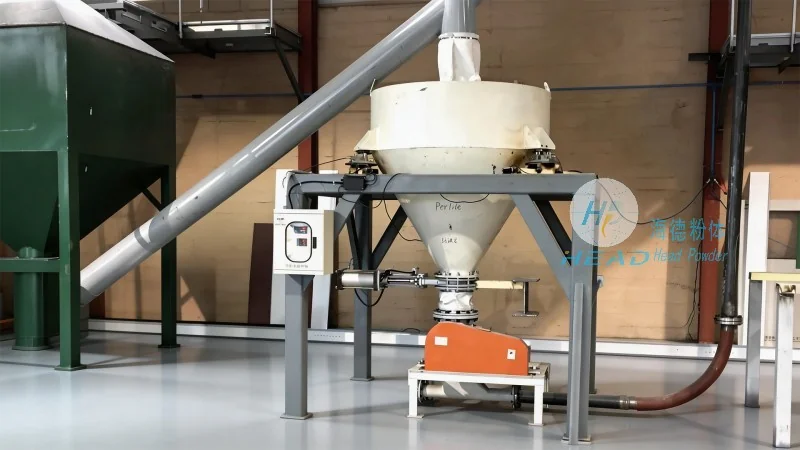
Common Packaging Options for Calcium Oxide Transportation
One of the primary factors influencing calcium oxide transportation is the packaging method. The choice of packaging depends on the quantity, destination, and end-use requirements. The most common packaging options include:
Plastic or paper bags: These are suitable for small to medium quantities, typically ranging from 25 kg to 50 kg per bag. They are lightweight, easy to handle, and provide good protection against moisture and dust. However, they may not be ideal for very large volumes due to the risk of damage during handling.
Fiberglass containers: These are used for larger quantities, often in bulk shipments. Fiberglass containers are durable, resistant to corrosion, and can hold significant amounts of calcium oxide. They are commonly used in bulk transport by truck or rail.
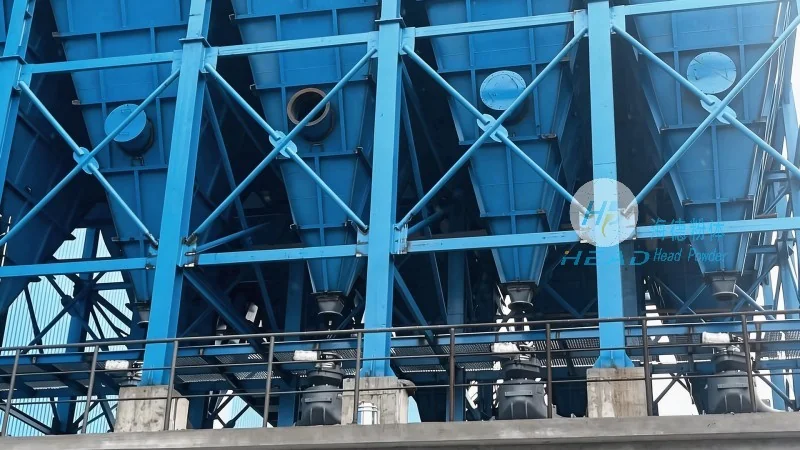
Steel drums or bulk containers: For even larger scale operations, steel drums or bulk containers are employed. These are particularly useful for international shipping or when transporting calcium oxide over long distances. They offer high capacity and robust protection against environmental factors.
Transportation Modes: Choosing the Right Method
The selection of transportation mode is another critical aspect of calcium oxide delivery. The appropriate mode depends on factors like distance, volume, and cost. The main transportation methods include:
Truck transport: This is the most common method for local and regional deliveries. Trucks can be equipped with specialized trailers to handle bulk loads, ensuring stability and preventing spillage. They offer flexibility and can reach most destinations within a reasonable time frame.
Rail transport: For longer distances and larger volumes, rail transport is often more economical. Specialized railcars, such as covered hoppers or bulk carriers, are used to transport calcium oxide. This method is particularly advantageous for intercity or interregional shipments, reducing road traffic and associated costs.
Marine transport: In cases where the destination is overseas or involves cross-border trade, marine transport is the preferred option. Bulk carriers or specialized ships are used to carry large quantities of calcium oxide. This method is cost-effective for high-volume, long-distance shipments but may involve longer transit times.
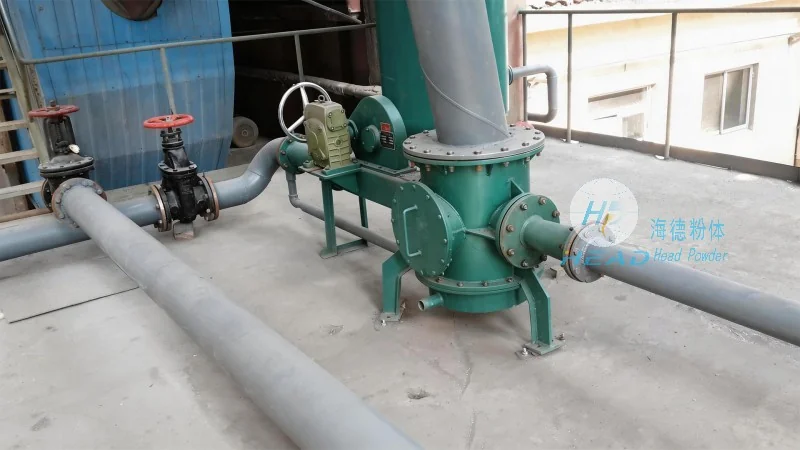
Best Practices for Safe Calcium Oxide Transportation
Ensuring the safe transportation of calcium oxide requires adherence to specific guidelines to prevent accidents, spills, and product degradation. Key best practices include:
Proper labeling and handling: All packaging must be clearly labeled with hazard warnings and handling instructions. Personnel involved in loading, unloading, and transporting calcium oxide should be trained on proper safety procedures.
Moisture control: Calcium oxide is hygroscopic, meaning it readily absorbs moisture from the air. To prevent clumping and maintain product quality, it should be stored and transported in a dry environment. Moisture can also cause the material to become slippery and difficult to handle.
Leak prevention: Due to its powdery nature, calcium oxide can easily leak from containers. Proper sealing and regular inspection of packaging are essential to minimize the risk of spills. In case of a leak, appropriate containment measures should be taken immediately.
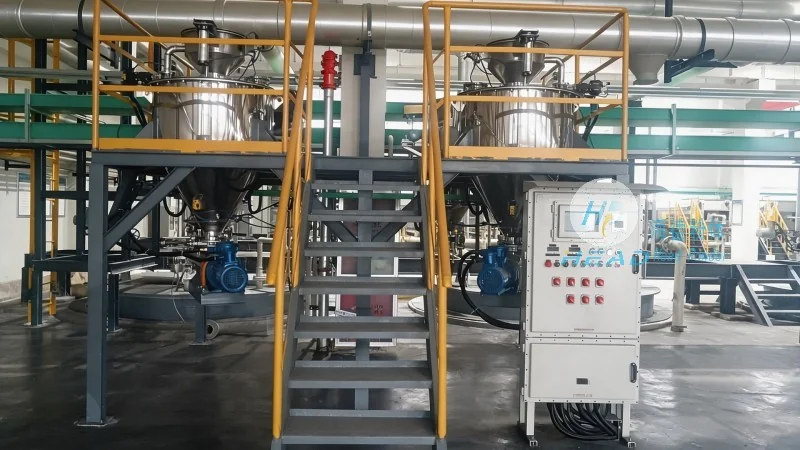
Temperature considerations: While calcium oxide is generally stable under normal temperatures, extreme heat or cold can affect its properties. During transportation, it is advisable to avoid exposure to extreme conditions and store the material in a temperature-controlled environment if necessary.
Company Information: Shandong HeadPowder Engineering Co., Ltd.
For reliable and professional calcium oxide transportation services, consider partnering with Shandong HeadPowder Engineering Co., Ltd. Based in Shandong, China, our company specializes in the production and distribution of high-quality calcium oxide. We offer comprehensive transportation solutions tailored to meet the specific needs of our clients, ensuring safe and efficient delivery of our products. Our commitment to quality and customer satisfaction has made us a trusted name in the industry.

 Shandong Headpowder Engineering Co., Ltd.
 156-6277-7102(Quản lý Trương)
  0531-83386006
  Thành phố Tế Nam, Tỉnh Sơn Đông, Trung Quốc
Điện thoại
WeChatTư vấn
Lên đầu