Với hơn 10 năm kinh nghiệm về vận chuyển khí nén, Headpowder Sơn Đông cung cấp hệ thống, thiết bị và quạt gió toàn chuỗi, đảm nhận các dự án kỹ thuật bột trọn gói trên toàn quốc.
When it comes to transporting copper sulfate, selecting the right method is crucial for ensuring efficiency, safety, and cost-effectiveness. Copper sulfate, also known as cupric sulfate, is a widely used chemical in various industries, including agriculture, water treatment, and industrial processes. The choice of transportation method depends on several factors such as the quantity of the material, its physical properties, the distance to be covered, and the destination's infrastructure. In this article, we will explore the primary methods of copper sulfate transportation, highlighting their advantages and practical applications.
About HeadPowder: Your Copper Sulfate Transportation Partner
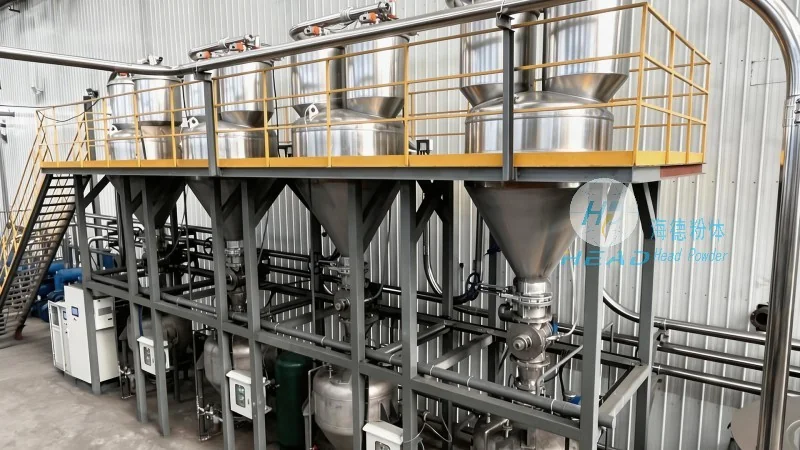
At Shandong HeadPowder Engineering Co., Ltd., we specialize in providing reliable and efficient solutions for copper sulfate transportation. As a leading manufacturer and supplier in the industry, HeadPowder is committed to delivering high-quality copper sulfate while ensuring safe and compliant transportation practices. Our company, based in Shandong, China, leverages years of experience and advanced technology to meet the diverse needs of our clients. Whether you require bulk transport or specialized handling, HeadPowder offers tailored solutions that align with your operational requirements.
1. Bulk Truck Transportation
Bulk truck transportation is one of the most common methods for moving large quantities of copper sulfate. This method involves loading the chemical into specialized trucks equipped with appropriate containment systems. The trucks are designed to handle the physical properties of copper sulfate, such as its granular or powder form, ensuring minimal spillage and contamination. Bulk trucking is particularly suitable for short to medium distances and offers flexibility in terms of delivery schedules. Companies like HeadPowder often utilize this method to transport copper sulfate from manufacturing facilities to distribution centers or directly to end-users. The use of bulk trucks allows for consistent supply chain management and reduces the number of handling steps, thereby minimizing the risk of product degradation.
2. Rail Transportation
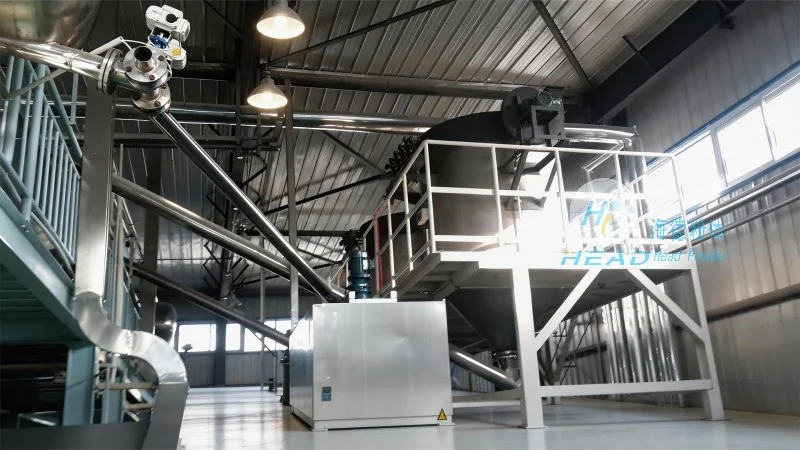
For long-distance transportation of copper sulfate, rail transport is an efficient and cost-effective option. Railcars are specially designed to carry bulk chemicals, with features like secure loading mechanisms and ventilation systems to prevent leaks or spills. This method is ideal for moving large volumes over extended distances, such as from the production site in Shandong to national or international markets. Rail transportation offers advantages such as lower fuel consumption per ton-mile compared to trucks, reduced traffic congestion, and the ability to handle larger quantities without frequent stops. However, it requires coordination with railway networks and may involve longer lead times due to scheduling and infrastructure constraints. HeadPowder may utilize rail transport for bulk orders that exceed truck capacity or for shipments to distant locations.
3. Containerized Shipping
Containerized shipping is another viable option for transporting copper sulfate, especially for international or cross-regional deliveries. Copper sulfate can be packaged in standard shipping containers or specialized containers that meet the requirements of hazardous materials. This method provides protection against environmental factors and ensures compliance with international shipping regulations. Containerized transport allows for easy transfer between different modes of transport, such as from a truck to a ship or vice versa, facilitating seamless logistics operations. Companies may choose this method when dealing with smaller to medium-sized shipments or when the destination is located near a port. The use of containers also simplifies inventory management and reduces the risk of damage during transit.
4. Pipelines (for Liquid or Slurry Forms)
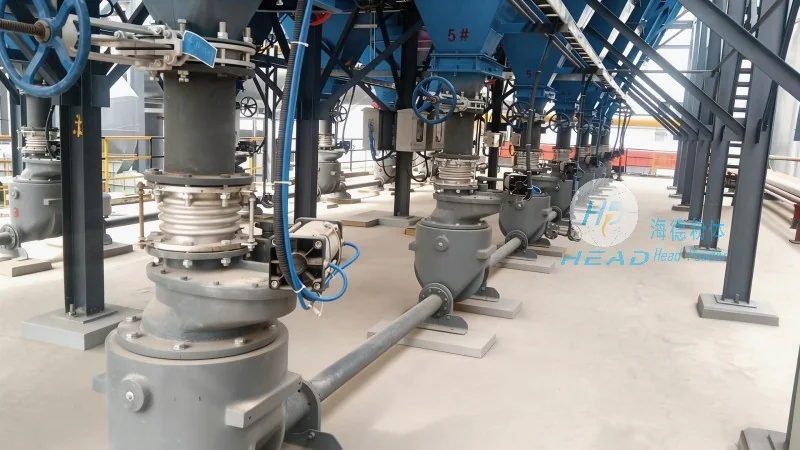
In some cases, copper sulfate may be transported in liquid or slurry form, which necessitates the use of pipelines. This method is particularly relevant for industrial applications where the chemical is used as part of a continuous process. Pipelines allow for the automated and continuous flow of copper sulfate, minimizing human intervention and associated risks. The infrastructure for pipeline transport requires significant investment but offers long-term benefits in terms of operational efficiency and cost savings. Companies involved in large-scale industrial operations may opt for this method to ensure a steady supply of copper sulfate to their processing facilities. However, pipeline transport is limited to specific locations with existing infrastructure and may not be feasible for all applications.
Conclusion: Choosing the Right Copper Sulfate Transportation Method
Selecting the appropriate copper sulfate transportation method is a critical decision that impacts the overall success of your operations. Factors such as the quantity, form, and destination of the material, along with logistical considerations, should all be taken into account. At Shandong HeadPowder Engineering Co., Ltd., we understand the unique challenges associated with copper sulfate transportation and offer customized solutions to meet your needs. Whether you choose bulk trucking, rail transport, containerized shipping, or pipeline systems, our team ensures that your copper sulfate is handled with the utmost care and delivered on time. By partnering with HeadPowder, you gain access to reliable transportation services that align with industry standards and regulatory requirements. For more information or to discuss your specific copper sulfate transportation needs, contact us at our headquarters in Shandong, China.

 Shandong Headpowder Engineering Co., Ltd.
 156-6277-7102(Quản lý Trương)
  0531-83386006
  Thành phố Tế Nam, Tỉnh Sơn Đông, Trung Quốc
Điện thoại
WeChatTư vấn
Lên đầu