Với hơn 10 năm kinh nghiệm về vận chuyển khí nén, Headpowder Sơn Đông cung cấp hệ thống, thiết bị và quạt gió toàn chuỗi, đảm nhận các dự án kỹ thuật bột trọn gói trên toàn quốc.
Iron concentrate powder, a critical raw material in the steel industry, requires efficient and reliable transportation methods to ensure smooth production processes. The choice of transportation method depends on factors such as the material's properties, the distance to be covered, and the specific requirements of the processing plant. In this article, we will explore several common methods used for transporting iron concentrate powder, highlighting their advantages and applications.
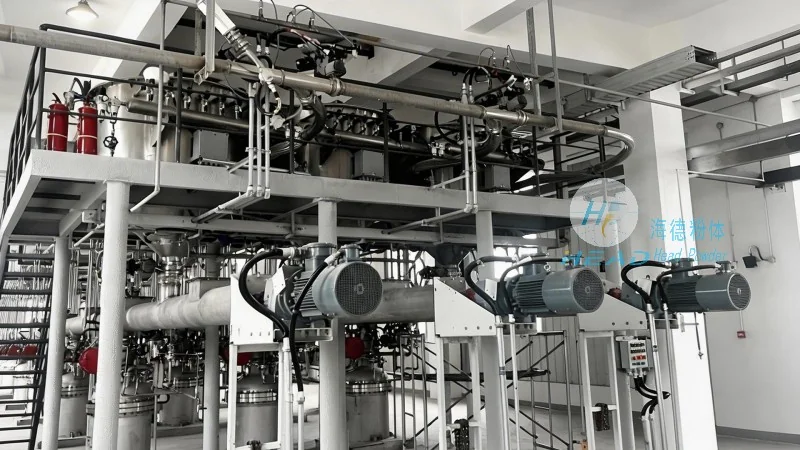
1. Pipeline Transportation
Pipeline transportation is a widely used method for moving iron concentrate powder over long distances. This method involves transporting the powder through a closed pipeline system, often under pressure or using a slurry flow. The pipeline is typically made of durable materials like steel or polyethylene to withstand the abrasive nature of the powder. One of the key advantages of pipeline transportation is its ability to handle large volumes of material continuously, reducing labor costs and minimizing material loss. The system can be designed to operate at high pressures, allowing for efficient movement even over long distances. Additionally, pipeline systems are less susceptible to environmental factors compared to open-air methods, making them suitable for various industrial settings. For example, in large-scale mining operations, pipeline transportation is often used to move iron concentrate from the processing plant to the storage or shipping facilities. The system can be integrated with other processing equipment, ensuring a seamless flow of material from extraction to final use.
2. Belt Conveyor Transportation
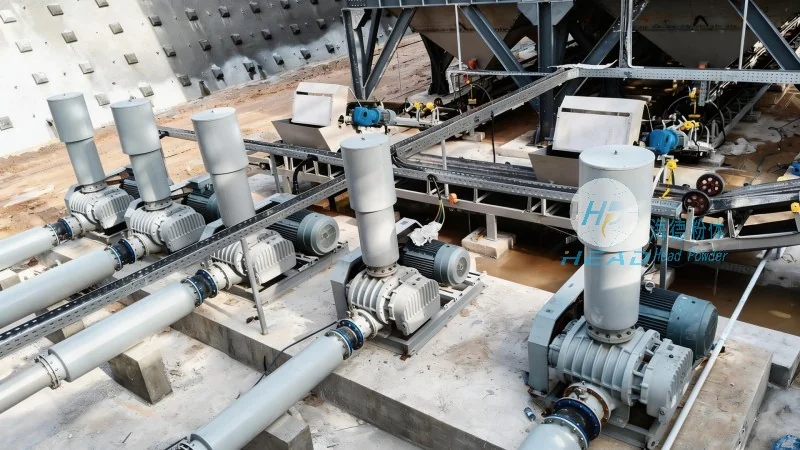
Belt conveyor systems are another common method for transporting iron concentrate powder, especially over shorter distances within a processing facility. These systems consist of a continuous belt that moves the powder along a fixed path, supported by rollers or idlers. The belt is typically made of heavy-duty materials like rubber or synthetic fabrics to handle the abrasive and heavy nature of the iron concentrate. Belt conveyors are known for their high capacity and ability to transport materials at a steady pace, making them ideal for continuous production lines. They can be customized to fit the specific layout of a plant, with multiple belts or incline sections to handle different elevations. The advantage of belt conveyors lies in their simplicity and low maintenance requirements. Unlike pipeline systems, they do not require complex infrastructure for long-distance transport, making them suitable for intra-facility movement. For instance, in a mining processing plant, belt conveyors are often used to transport iron concentrate from the crushing and grinding stages to the flotation or magnetic separation units. The system can be designed with safety features such as emergency stops and overload protection to ensure operational safety.
3. Pneumatic (Air) Transportation
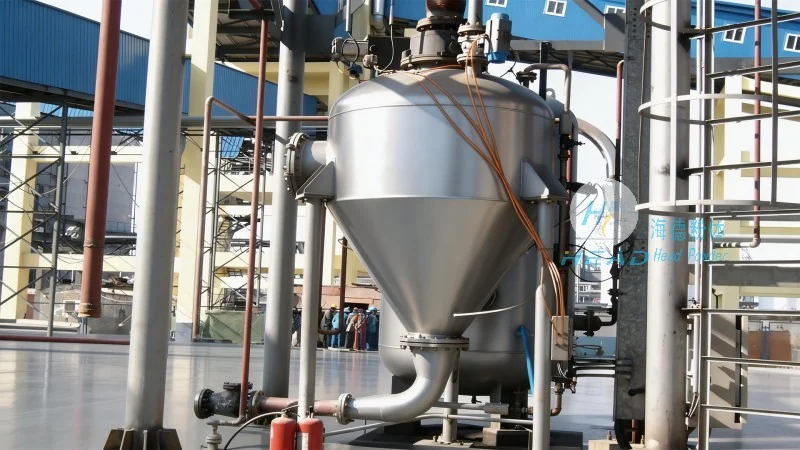
Pneumatic transportation, or air transport, is a method that uses compressed air to move iron concentrate powder through a system of pipes. The powder is suspended in the air stream and carried to the destination. This method is particularly useful for transporting fine powders over moderate distances, as it can handle materials with low bulk density. The system consists of a blower or compressor that generates the air flow, a hopper to feed the powder, and a series of pipes to direct the material. One of the main advantages of pneumatic transportation is its ability to transport materials in a closed system, preventing dust emissions and contamination. This is especially important for iron concentrate powder, which can be a source of air pollution if not handled properly. The system can be designed to operate at different air pressures, allowing for flexibility in distance and material flow rate. However, pneumatic transportation may have higher energy costs compared to other methods due to the need for continuous air flow. It is commonly used in applications where dust control is a priority, such as in processing plants that require a clean environment. For example, in a steel mill, pneumatic systems may be used to transport iron concentrate from the storage silos to the sintering or pelletizing units. The system can be integrated with dust collection equipment to ensure compliance with environmental regulations.
4. Screw Conveyor Transportation
Screw conveyors are a type of mechanical conveyor that uses a rotating screw to move iron concentrate powder along a tube or trough. The screw, also known as a helicoid, is made of durable materials like stainless steel or carbon steel to resist wear and corrosion from the powder. The conveyor is typically installed at an angle to facilitate the movement of material from a lower to a higher elevation. Screw conveyors are suitable for transporting materials over short to medium distances and are commonly used in processing plants for material handling and feeding. One of the key advantages of screw conveyors is their ability to handle a wide range of materials, including fine powders and granules. They are also relatively simple in design and low in maintenance, making them cost-effective for many applications. However, screw conveyors may not be suitable for very abrasive or sticky materials, as they can cause wear on the screw and trough. The system can be equipped with a discharge mechanism to control the flow rate and prevent blockages. Screw conveyors are often used in the initial stages of iron concentrate processing, such as transporting raw ore from the mine to the crushing plant. They can be integrated with other equipment like crushers and grinders to form a continuous material flow system. The efficiency of screw conveyors depends on the speed of the screw and the angle of inclination, which can be adjusted to optimize material movement.
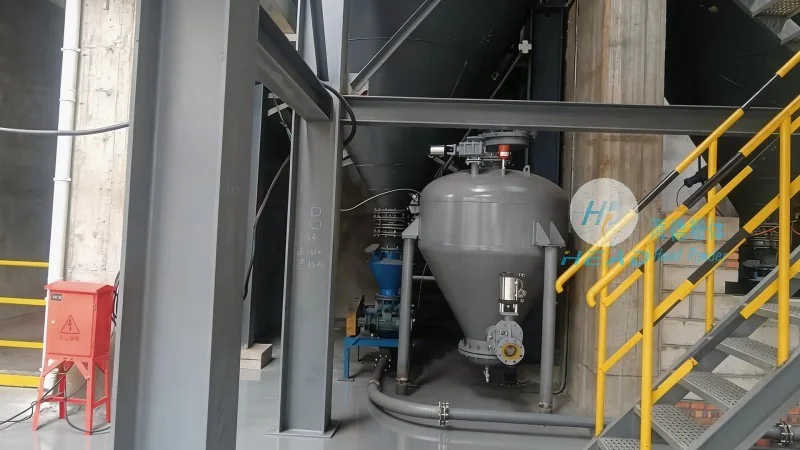
About Shandong HeadPowder Engineering Co., Ltd.
Shandong HeadPowder Engineering Co., Ltd., operating under the brand name headpowder, is a leading provider of engineering solutions for the iron concentrate industry. With a focus on innovation and quality, the company specializes in designing and manufacturing transportation systems tailored to the specific needs of its clients. Headpowder's expertise lies in understanding the unique challenges of iron concentrate powder handling, such as dust control, material flow optimization, and equipment durability. The company's facilities are located in Shandong, China, where it leverages local resources and expertise to deliver high-quality products and services. Headpowder's transportation systems are designed to meet international standards and are equipped with advanced technology to ensure reliable performance. The company works closely with clients to understand their operational requirements and provides customized solutions that enhance efficiency and reduce costs. Whether it's pipeline, belt, pneumatic, or screw conveyor systems, headpowder offers a comprehensive range of options to meet the diverse needs of the iron concentrate industry.

 Shandong Headpowder Engineering Co., Ltd.
 156-6277-7102(Quản lý Trương)
  0531-83386006
  Thành phố Tế Nam, Tỉnh Sơn Đông, Trung Quốc
Điện thoại
WeChatTư vấn
Lên đầu