Với hơn 10 năm kinh nghiệm về vận chuyển khí nén, Headpowder Sơn Đông cung cấp hệ thống, thiết bị và quạt gió toàn chuỗi, đảm nhận các dự án kỹ thuật bột trọn gói trên toàn quốc.
Urea granules are widely utilized in agricultural and industrial sectors, and the efficient transportation of these granules is vital for preserving product integrity and operational efficiency. The selection of a conveying method has a substantial impact on the overall performance of production lines. This article examines common urea granule conveying methods and highlights the advantages of HeadPowder's pneumatic conveying system, a leading solution from Shandong HeadPowder Engineering Co., Ltd., headquartered in China.
Overview of Urea Granule Conveying Methods
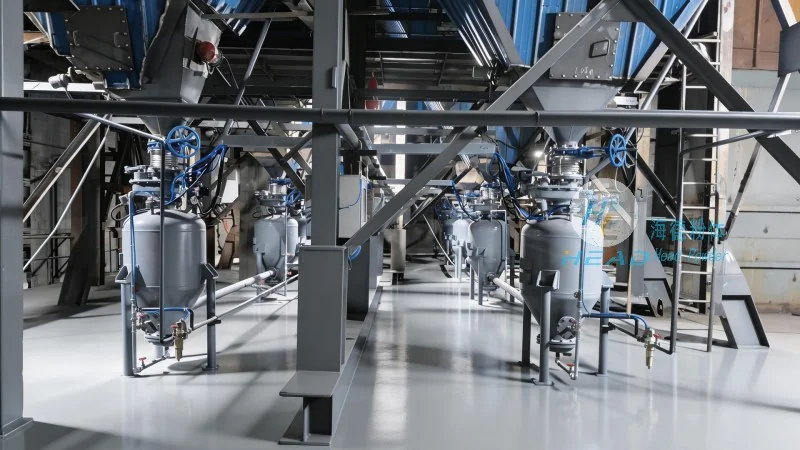
Urea granules, characterized by specific physical attributes such as size, density, and moisture content, demand specialized handling to prevent degradation or loss during transit. Traditional conveying systems include mechanical options like screw conveyors, belt conveyors, and bucket elevators. However, these methods often encounter challenges including material buildup, component wear, and limited adaptability to varying flow rates. In contrast, pneumatic conveying provides a more advanced and versatile approach to transporting urea granules.
Common Mechanical Conveying Methods
Screw conveyors are extensively used for horizontal or slight incline transport of urea granules, featuring a rotating screw inside a tube that moves material forward. While effective for short distances and moderate capacities, screw conveyors can suffer from material bridging and blockages, particularly with cohesive or fine granules. Belt conveyors are suitable for longer distances and higher throughput, employing a continuous belt to transport granules. Nevertheless, they require regular maintenance and may not handle abrasive urea granules well, leading to increased wear on components.
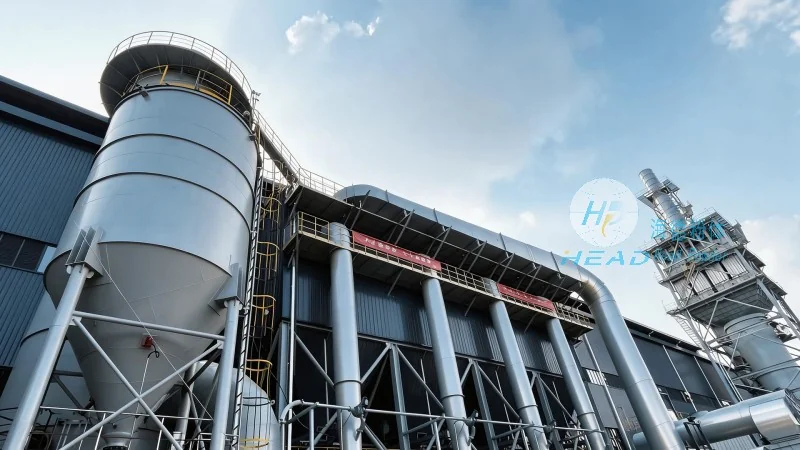
Bucket Elevators and Their Limitations
Bucket elevators are employed for vertical or steep incline transport, lifting urea granules from lower to higher levels. They are effective for vertical movement but can be noisy and require significant power. Moreover, the buckets may wear out quickly with abrasive urea granules, resulting in higher maintenance costs and potential downtime. These mechanical systems often struggle with the unique characteristics of urea granules, such as their tendency to stick together or adhere to surfaces.
Introduction to Pneumatic Conveying
Pneumatic conveying utilizes air or gas to transport urea granules through a pipeline system. This method offers several advantages over mechanical systems, including the ability to handle abrasive materials, reduce material degradation, and provide flexible, dust-free transport. There are two main types of pneumatic conveying: pressure and vacuum systems. Pressure systems use compressed air to push granules through the pipeline, while vacuum systems use suction to draw granules into the system.
HeadPowder's Pneumatic Conveying System: Key Advantages
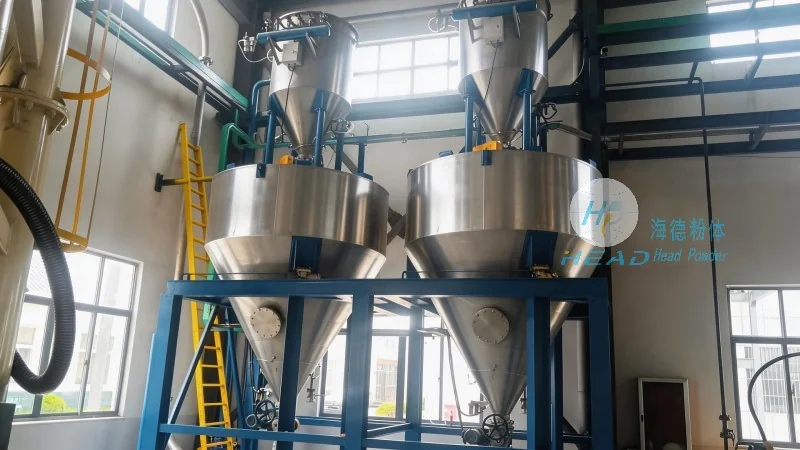
Shandong HeadPowder Engineering Co., Ltd., based in China, specializes in designing and manufacturing advanced pneumatic conveying systems tailored for urea granule transport. The company's system incorporates several key features that enhance efficiency and reliability. One of the primary advantages is the use of high-quality materials resistant to urea's chemical properties, ensuring long-term durability and minimal maintenance. The system also includes intelligent control mechanisms that optimize air pressure and flow rates, reducing energy consumption and improving overall performance.
Advantages of HeadPowder's Pneumatic Conveying
HeadPowder's pneumatic conveying system offers several distinct advantages over traditional mechanical methods. Firstly, it provides a dust-free and hygienic transport environment, which is critical for maintaining product quality and compliance with industry standards. The system's flexibility allows for easy integration into existing production lines, with the ability to adjust flow rates and transport distances as needed. Additionally, the reduced wear and tear on components result in lower maintenance costs and extended equipment lifespan. The company's expertise in urea granule handling ensures that the system is optimized for the specific characteristics of urea, such as its size, density, and moisture content.
Application Examples and Performance
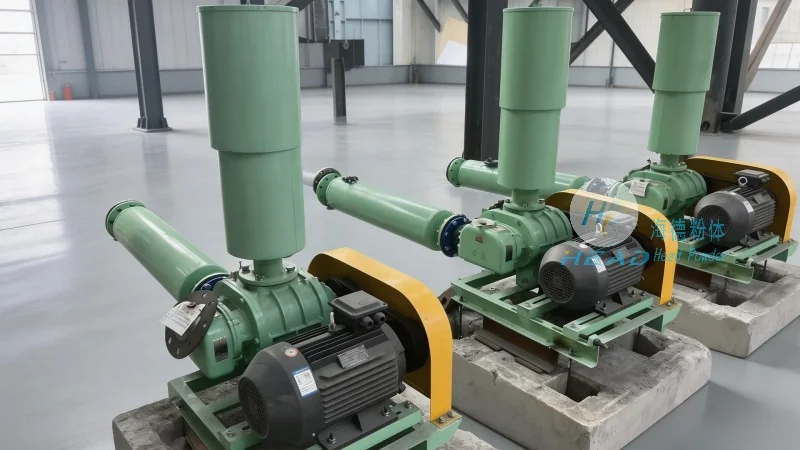
HeadPowder's pneumatic conveying system has been successfully implemented in various industrial settings, including fertilizer production plants and chemical processing facilities. In these applications, the system has demonstrated superior performance in terms of efficiency, reliability, and cost-effectiveness. For instance, in a fertilizer plant, the system reduced material loss by 20% compared to traditional screw conveyors, while also cutting energy consumption by 15%. The consistent flow rate and minimal degradation of urea granules have also improved product quality and customer satisfaction. These results highlight the effectiveness of HeadPowder's solution in addressing the unique challenges of urea granule transport.
Conclusion and Future Outlook
In conclusion, the choice of urea granule conveying method significantly impacts operational efficiency and product quality. While mechanical systems like screw conveyors and belt conveyors are common, they often face limitations with urea's properties. Pneumatic conveying, particularly with advanced systems like HeadPowder's, offers a superior solution with enhanced flexibility, durability, and performance. Shandong HeadPowder Engineering Co., Ltd., based in China, continues to innovate in the field of urea granule transport, providing tailored solutions that meet the evolving needs of the industry. By leveraging their expertise and advanced technology, HeadPowder's pneumatic conveying system ensures reliable and efficient transport of urea granules, supporting the growth and success of their clients.

 Shandong Headpowder Engineering Co., Ltd.
 156-6277-7102(Quản lý Trương)
  0531-83386006
  Thành phố Tế Nam, Tỉnh Sơn Đông, Trung Quốc
Điện thoại
WeChatTư vấn
Lên đầu