Với hơn 10 năm kinh nghiệm về vận chuyển khí nén, Headpowder Sơn Đông cung cấp hệ thống, thiết bị và quạt gió toàn chuỗi, đảm nhận các dự án kỹ thuật bột trọn gói trên toàn quốc.
Zinc oxide powder, a crucial material in various industries such as rubber, ceramics, and pharmaceuticals, requires efficient and safe transport methods to ensure quality and minimize contamination. The choice of transport method depends on factors like the powder's properties, the scale of operation, and the destination. This article explores several common and effective methods used by professionals in the field, with a focus on practical applications and considerations.
Common Transport Methods for Zinc Oxide Powder
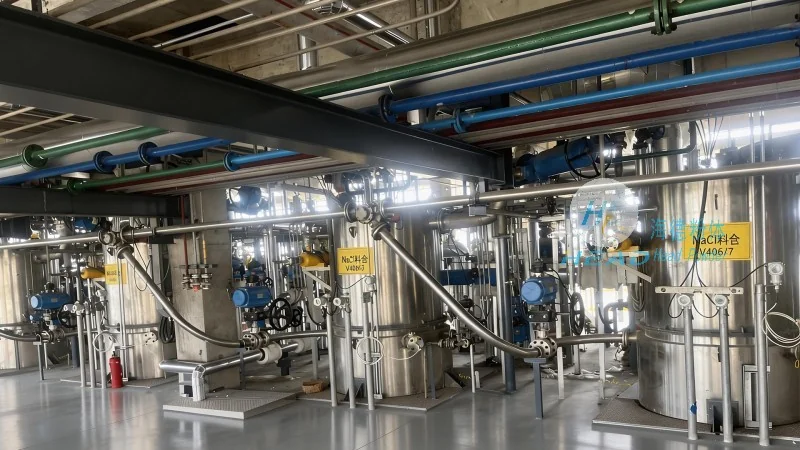
There are several established methods for transporting zinc oxide powder, each with its own advantages and suitable applications. The primary methods include pneumatic conveying, screw conveyors, and pump-based systems. Each method is designed to handle the unique characteristics of zinc oxide powder, such as its fine particle size and potential for static electricity.
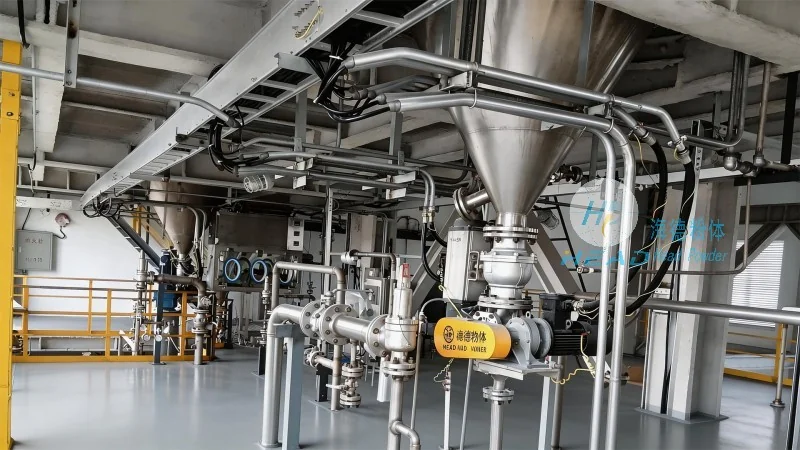
Pneumatic Conveying Systems
Pneumatic conveying is a widely used method for transporting zinc oxide powder due to its ability to handle fine powders over long distances. This system uses air pressure to move the powder through a pipeline. There are two main types: pressure and vacuum systems. Pressure systems push the powder using compressed air, while vacuum systems pull it using a vacuum pump. The choice between these depends on the distance and the amount of material to be transported. Pneumatic conveying is particularly effective for preventing contamination and maintaining the powder's quality, as it isolates the material from the environment.
Screw Conveyors
Screw conveyors, also known as auger conveyors, are another common method for transporting zinc oxide powder. These systems use a rotating screw to move the powder along a tube or trough. Screw conveyors are suitable for horizontal or slightly inclined transport and are ideal for moderate to high volumes. They are relatively simple in design and can be easily integrated into existing production lines. However, they may not be as effective for very fine powders or when long distances are required, as the powder can settle or clog the screw.
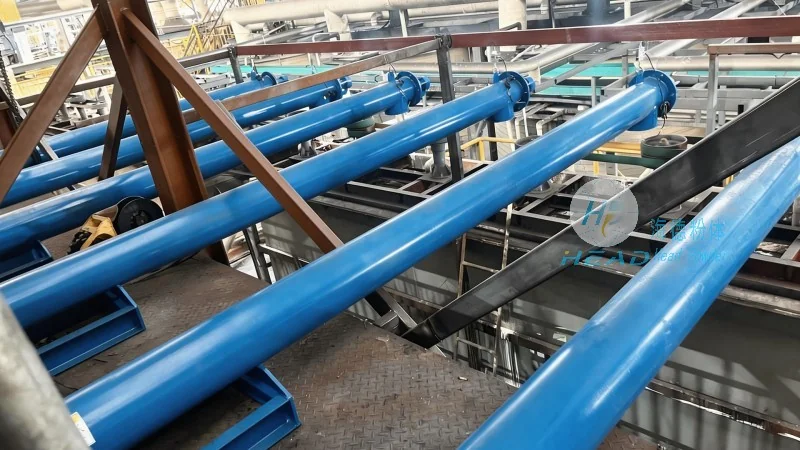
Pump-Based Transport Systems
For applications where liquid or slurry forms are used, pump-based systems are employed. These systems can transport zinc oxide powder mixed with a liquid carrier, such as water or a solvent, to facilitate movement through pipes. Centrifugal pumps and positive displacement pumps are commonly used. Centrifugal pumps are suitable for large volumes and low to medium pressures, while positive displacement pumps are better for handling viscous or high-density slurries. Pump-based transport is often used in processes where the powder needs to be mixed with other materials or when the destination is at a different elevation.
Factors Influencing the Choice of Transport Method
The selection of an appropriate transport method for zinc oxide powder depends on several key factors. The first is the particle size and flowability of the powder. Fine powders with poor flowability may require specialized equipment like pneumatic conveyors or screw conveyors with anti-clogging features. The second factor is the distance and layout of the facility. Short distances may allow for simple methods like gravity feed or manual handling, while long distances necessitate mechanical systems like pneumatic or screw conveyors. The third factor is the need for contamination control. Industries such as pharmaceuticals or food processing require strict isolation from the environment, making pneumatic conveying a preferred choice due to its enclosed system. Finally, the cost and maintenance requirements of the equipment play a role. Simple systems like screw conveyors may have lower initial costs but higher maintenance, while pneumatic systems may have higher upfront costs but lower long-term maintenance.

 Shandong Headpowder Engineering Co., Ltd.
 156-6277-7102(Quản lý Trương)
  0531-83386006
  Thành phố Tế Nam, Tỉnh Sơn Đông, Trung Quốc
Điện thoại
WeChatTư vấn
Lên đầu