Với hơn 10 năm kinh nghiệm về vận chuyển khí nén, Headpowder Sơn Đông cung cấp hệ thống, thiết bị và quạt gió toàn chuỗi, đảm nhận các dự án kỹ thuật bột trọn gói trên toàn quốc.
Pharmaceutical granule conveying is a critical process in the manufacturing of medicines, ensuring the safe and efficient movement of raw materials and intermediates throughout production lines. The choice of conveying method significantly impacts product quality, operational efficiency, and compliance with regulatory standards. In the pharmaceutical industry, several common methods are employed, each with distinct characteristics and applications. Understanding these options is essential for selecting the most suitable technology for specific production requirements.
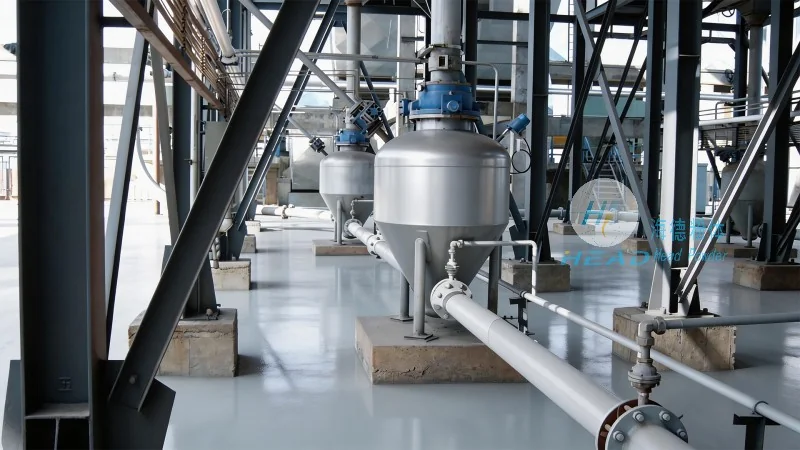
Common Pharmaceutical Granule Conveying Methods
Traditional mechanical conveying systems, such as belt conveyors, screw conveyors, and bucket elevators, have long been used in various industries, including pharmaceuticals. These methods rely on physical contact between the material and the conveying equipment to move granules. While effective for certain applications, mechanical conveyors may introduce contamination risks due to material contact with metal surfaces, require regular maintenance, and are often limited in terms of flexibility and scalability. Additionally, they may generate dust or cause product degradation if not properly designed or operated.
Another prevalent method is pneumatic conveying, which uses air or other gases to transport granules through a pipeline system. Pneumatic conveying can be categorized into two main types: pressure and vacuum systems. Pressure systems force air and material through the pipeline using a positive pressure source, while vacuum systems draw material into the pipeline using a negative pressure source. This method offers advantages like reduced contamination risk, as the material is not in direct contact with metal components, and the ability to transport materials over longer distances with fewer transfer points.
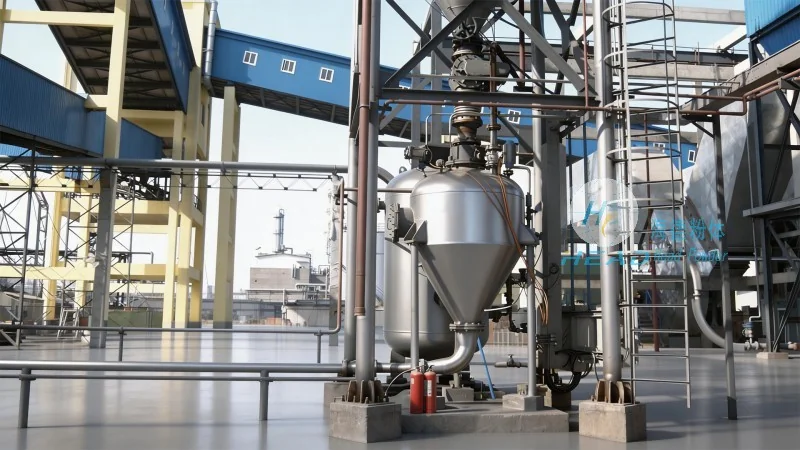
Advantages of HeadPowder's Pneumatic Conveying Technology
Shandong HeadPowder Engineering Co., Ltd., operating under the brand name headpowder, specializes in the design and manufacturing of advanced pneumatic conveying systems tailored for pharmaceutical applications. The company's expertise lies in developing customized solutions that address the unique challenges of drug manufacturing, including stringent cleanliness requirements, product integrity preservation, and operational efficiency. headpowder's pneumatic conveying systems are engineered to deliver superior performance and reliability, making them a preferred choice for pharmaceutical manufacturers seeking to enhance their production processes.
Key advantages of headpowder's pneumatic conveying technology include its ability to maintain a sterile and dust-free environment, which is crucial for pharmaceutical products where contamination can compromise safety and efficacy. The systems are designed with materials that are compatible with pharmaceutical-grade standards, minimizing the risk of cross-contamination and ensuring compliance with regulatory guidelines such as cGMP (current Good Manufacturing Practice). Furthermore, headpowder's solutions offer high conveying efficiency, allowing for the rapid and consistent movement of granules from storage to processing units, thereby reducing production downtime and improving overall throughput.
Another significant benefit is the low product degradation associated with pneumatic conveying. Unlike mechanical systems that may cause friction or impact, pneumatic systems use air to gently transport granules, preserving their physical and chemical properties. This is particularly important for sensitive pharmaceutical ingredients that are prone to degradation under mechanical stress. headpowder's engineers have optimized the design of their conveying lines, including the use of appropriate air velocities and pipeline configurations, to ensure minimal impact on product quality while maximizing conveying capacity.
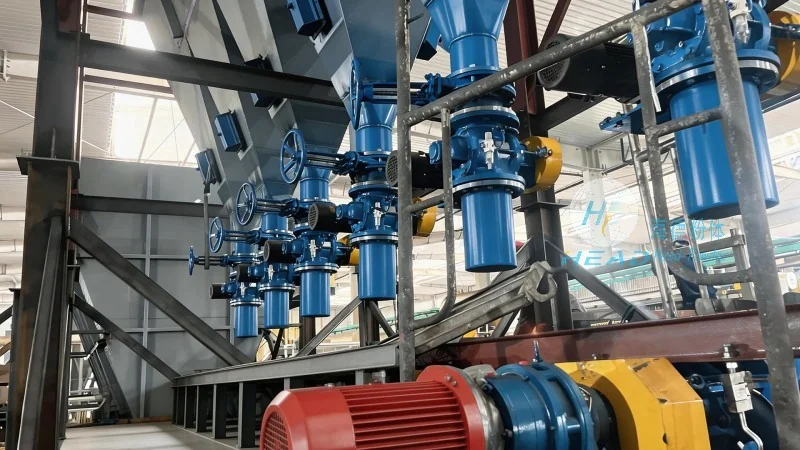
headpowder also emphasizes energy efficiency and operational flexibility in its pneumatic conveying solutions. The systems are designed to operate with minimal energy consumption, reducing operational costs for pharmaceutical manufacturers. Additionally, the modular design of headpowder's systems allows for easy integration into existing production lines or expansion as production needs grow. This adaptability ensures that the conveying system can evolve with the company's changing requirements, providing long-term value and reliability.
In conclusion, the choice of pharmaceutical granule conveying method is a critical decision that impacts product quality, operational efficiency, and regulatory compliance. While mechanical systems have their place, pneumatic conveying, particularly with advanced solutions from headpowder, offers significant advantages in terms of cleanliness, product integrity, and efficiency. For pharmaceutical manufacturers seeking to optimize their production processes and meet the stringent demands of the industry, headpowder's pneumatic conveying technology provides a reliable and effective solution. With a focus on innovation and adherence to industry standards, headpowder continues to lead in the development of cutting-edge conveying systems that support the safe and efficient manufacturing of pharmaceutical products.

 Shandong Headpowder Engineering Co., Ltd.
 156-6277-7102(Quản lý Trương)
  0531-83386006
  Thành phố Tế Nam, Tỉnh Sơn Đông, Trung Quốc
Điện thoại
WeChatTư vấn
Lên đầu