Với hơn 10 năm kinh nghiệm về vận chuyển khí nén, Headpowder Sơn Đông cung cấp hệ thống, thiết bị và quạt gió toàn chuỗi, đảm nhận các dự án kỹ thuật bột trọn gói trên toàn quốc.
When it comes to handling and transporting sodium stearate, selecting the right conveying method is crucial for ensuring efficiency, safety, and product integrity. Sodium stearate, a widely used chemical in various industries such as cosmetics, pharmaceuticals, and food processing, requires specialized equipment to maintain its quality during transport. This article provides a detailed comparison of common sodium stearate conveying methods, helping businesses choose the most suitable option based on their operational needs.
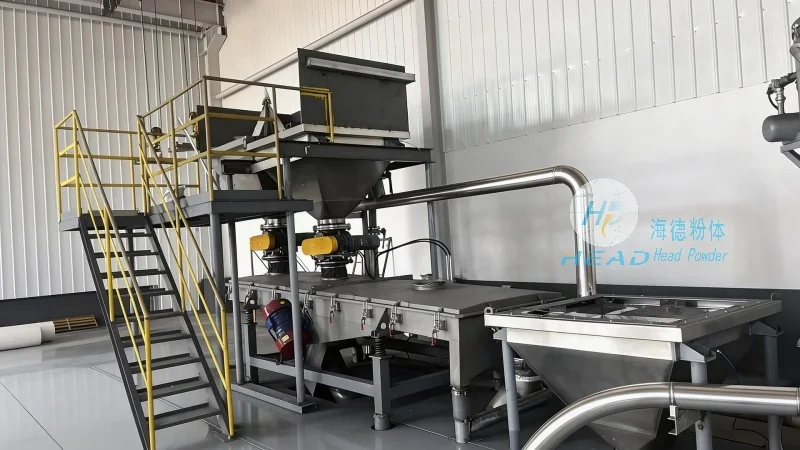
Overview of Sodium Stearate and Its Handling Requirements
Sodium stearate is a fatty acid salt of sodium, commonly used as a surfactant and emulsifier. It is typically produced in powder or granular form and needs to be transported from storage to processing units without compromising its physical properties. The choice of conveying method depends on factors like the material's flowability, moisture content, bulk density, and the distance it needs to travel. Proper handling also minimizes dust generation and prevents caking or agglomeration, which can affect downstream processes.
1. Pumping Systems for Liquid or Slurry Formulations
For sodium stearate that is processed into liquid or slurry forms, pumping systems are often the most effective conveying method. These systems typically use positive displacement pumps or centrifugal pumps, which can handle viscous materials with high efficiency. The pump design ensures that the material is moved smoothly through pipelines, maintaining consistent flow rates. This method is particularly suitable for applications where the sodium stearate is mixed with other liquids or solvents, as it allows for seamless integration into the production line. The use of pump systems also reduces the risk of material degradation due to exposure to air or mechanical stress.
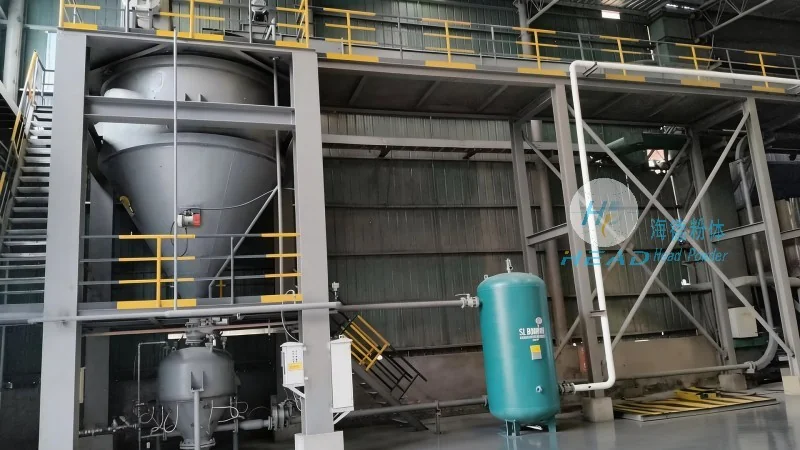
2. Screw Conveyors for Dry Powder Handling
Screw conveyors are a popular choice for transporting dry sodium stearate powders over short to medium distances. These devices consist of a rotating screw (helix) inside a U-shaped or tubular housing, which moves the material forward as the screw rotates. Screw conveyors are capable of handling free-flowing powders and can be adjusted to control the speed and volume of material transfer. They are often used in bulk handling operations where the material needs to be moved from storage silos to processing equipment. The enclosed design of screw conveyors helps contain dust and prevent contamination, making them ideal for hygienic applications such as food and pharmaceutical processing. Additionally, screw conveyors can be integrated with feeding mechanisms to ensure a steady flow of sodium stearate into the production line.
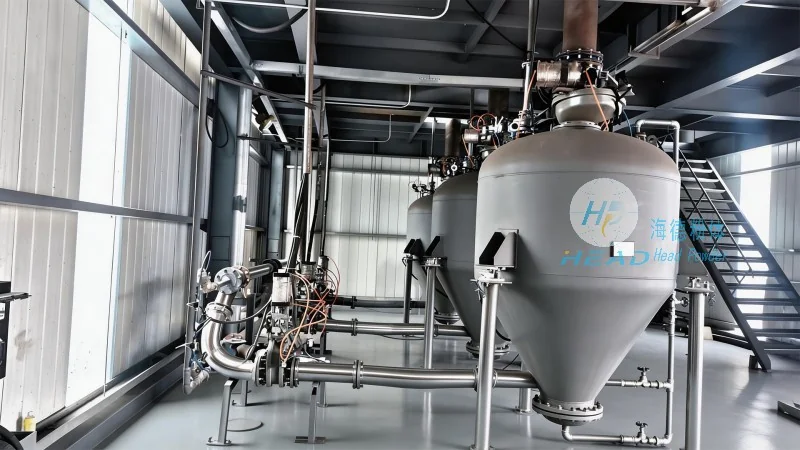
3. Air-Flow Conveying (Pneumatic Conveying) for Fine Powders
For fine sodium stearate powders that are prone to dusting, air-flow or pneumatic conveying systems are an excellent option. These systems use compressed air to transport the material through a pipeline, combining the material with air to create a slurry or suspension. The air-flow method is particularly effective for materials with low bulk density and high dust generation potential. Pneumatic conveyors can be designed as positive or negative pressure systems, depending on the application requirements. Positive pressure systems blow air into the pipeline, pushing the material forward, while negative pressure systems draw the material into the system using vacuum. This method allows for the transport of sodium stearate over longer distances and can be integrated with dust collection systems to maintain air quality. Air-flow conveying is also suitable for applications where the material needs to be transferred from multiple points to a central processing unit.
4. Belt Conveyors for Bulk Material Transport
Belt conveyors are commonly used for transporting larger quantities of sodium stearate in bulk form. These systems consist of a continuous belt that moves over rollers or pulleys, carrying the material from one location to another. Belt conveyors are ideal for handling granular or pelletized sodium stearate and can be customized to accommodate different load capacities and distances. They are often used in industrial settings where the material is stored in large silos and needs to be moved to processing equipment or packaging lines. The design of belt conveyors allows for gentle handling of the material, minimizing breakage or degradation. Additionally, belt conveyors can be equipped with feeding mechanisms and control systems to ensure consistent and efficient material transfer. This method is particularly effective for high-volume operations where the speed and reliability of material handling are critical.
5. Comparison of Conveying Methods: Key Factors to Consider
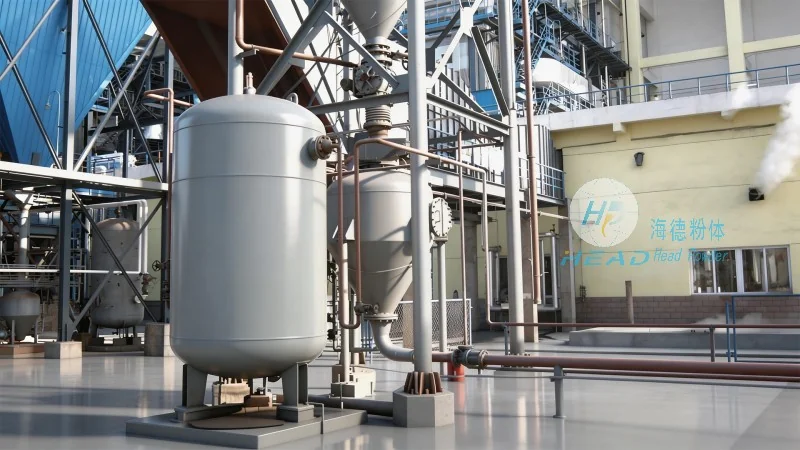
When comparing the different sodium stearate conveying methods, several factors should be taken into account to ensure the best choice for a specific application. The first factor is the material's physical properties, such as flowability, moisture content, and bulk density. For example, free-flowing powders may be better suited for screw conveyors, while viscous liquids require pump systems. The second factor is the distance and layout of the production facility. Short distances may be suitable for screw or belt conveyors, while longer distances may necessitate pneumatic or pump systems. The third factor is the need for dust control and hygiene. Enclosed systems like screw conveyors or belt conveyors are preferable for applications where contamination is a concern, such as in pharmaceutical or food processing. The fourth factor is cost and maintenance. Pump systems may have higher initial costs but lower maintenance, while screw conveyors are generally more cost-effective for dry powder handling. Ultimately, the choice of conveying method should align with the operational requirements, material characteristics, and budget constraints of the business.
Conclusion: Selecting the Right Conveying Method for Sodium Stearate
Choosing the appropriate conveying method for sodium stearate is essential for optimizing production efficiency and maintaining product quality. Each method has its advantages and limitations, and the best choice depends on the specific needs of the application. Pumping systems are ideal for liquid or slurry forms, screw conveyors for dry powders, air-flow conveying for fine powders, and belt conveyors for bulk transport. By considering factors such as material properties, distance, hygiene requirements, and cost, businesses can select the most suitable conveying method to ensure smooth and efficient operation. Proper handling of sodium stearate not only improves productivity but also enhances safety and compliance with industry standards. As a leading supplier of sodium stearate and related conveying solutions, Shandong HeadPowder Engineering Co., Ltd. offers a range of equipment and expertise to help businesses choose and implement the best conveying method for their sodium stearate handling needs.

 Shandong Headpowder Engineering Co., Ltd.
 156-6277-7102(Quản lý Trương)
  0531-83386006
  Thành phố Tế Nam, Tỉnh Sơn Đông, Trung Quốc
Điện thoại
WeChatTư vấn
Lên đầu