Với hơn 10 năm kinh nghiệm về vận chuyển khí nén, Headpowder Sơn Đông cung cấp hệ thống, thiết bị và quạt gió toàn chuỗi, đảm nhận các dự án kỹ thuật bột trọn gói trên toàn quốc.
Sodium dithionite, also known as sodium hydrosulfite, is a critical chemical widely used in various industrial applications, including textile processing, pulp and paper manufacturing, and chemical synthesis. The efficient and safe transportation of this material from storage to processing units is essential for maintaining production efficiency and ensuring workplace safety. Different conveying methods are employed based on the material's properties, the distance to be covered, and the specific requirements of the end-user. This article explores common sodium dithionite conveying methods, with a focus on pneumatic conveying systems, which have become increasingly popular due to their versatility and effectiveness.
Company Overview: Shandong HeadPowder Engineering Co., Ltd.
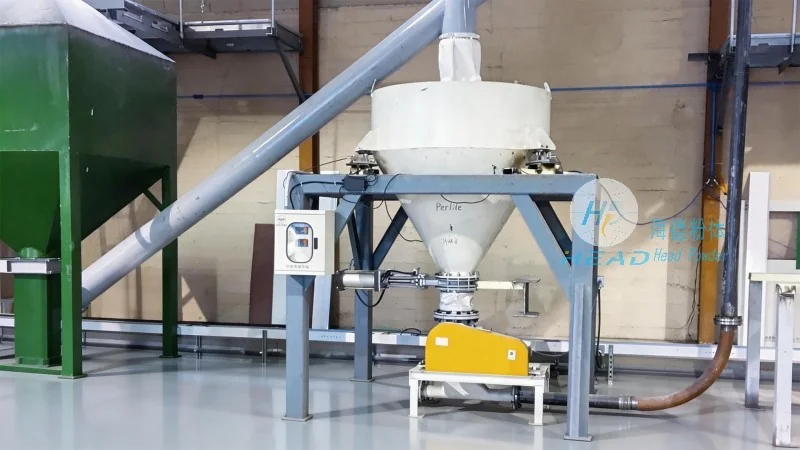
Shandong HeadPowder Engineering Co., Ltd., commonly known as HeadPowder, is a leading manufacturer and supplier of sodium dithionite and related chemical solutions. With a strong commitment to quality and innovation, the company specializes in providing tailored conveying solutions for industrial applications. HeadPowder's expertise in material handling systems ensures that clients receive reliable and efficient equipment designed to meet their specific operational needs. The company's headquarters is located in Shandong, China, where it operates state-of-the-art facilities for research, development, and production.
Understanding Sodium Dithionite and Its Handling Requirements
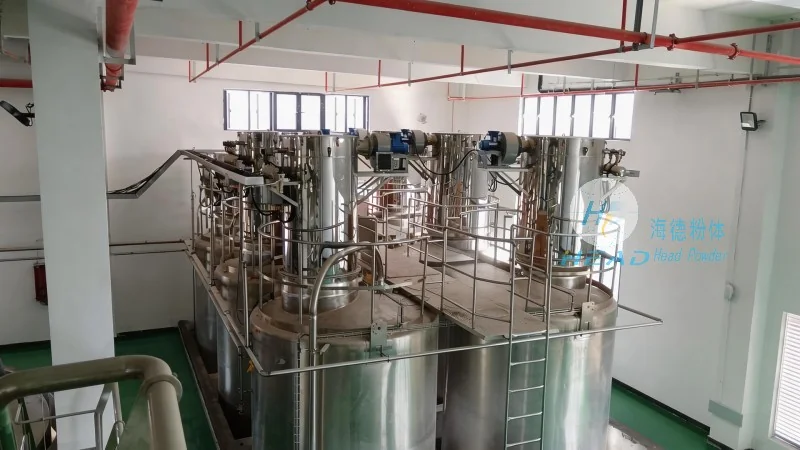
Sodium dithionite is a white crystalline powder with a strong reducing property. It is hygroscopic, meaning it readily absorbs moisture from the air, which can affect its handling characteristics. The material is also prone to caking, especially when exposed to humidity or prolonged storage. These properties make the selection of an appropriate conveying method crucial to prevent material degradation and ensure smooth operation. Proper handling also involves controlling the temperature and moisture levels during transportation to maintain the material's quality and prevent safety hazards.
Common Conveying Techniques for Sodium Dithionite
Several methods are used to transport sodium dithionite, including mechanical conveying systems like belt conveyors, screw conveyors, and bucket elevators. These systems are effective for short to medium distances and are suitable for handling bulk quantities. However, they may not be ideal for applications requiring high precision or for materials that are prone to degradation. For more demanding scenarios, pneumatic conveying systems offer superior flexibility and control.
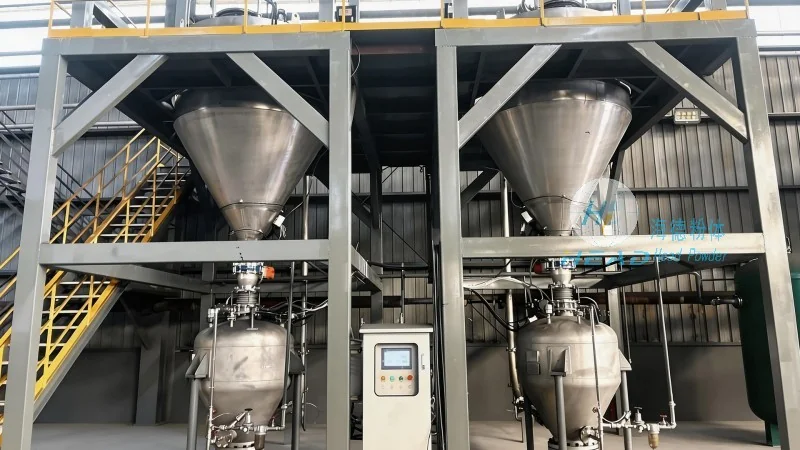
Pneumatic Conveying: A Detailed Overview
Pneumatic conveying involves the use of air or other gases to transport bulk materials through a pipeline system. This method is particularly effective for sodium dithionite due to its ability to handle fine powders and maintain material integrity. The system typically consists of a hopper, a feeder, a conveying line, and a receiver. The material is fed into the system, and compressed air is introduced to create a flow that transports the powder to the destination. There are two main types of pneumatic conveying: pressure and vacuum systems. Pressure systems use compressed air to push the material forward, while vacuum systems use a vacuum to pull the material through the line.
Advantages of Pneumatic Conveying for Sodium Dithionite
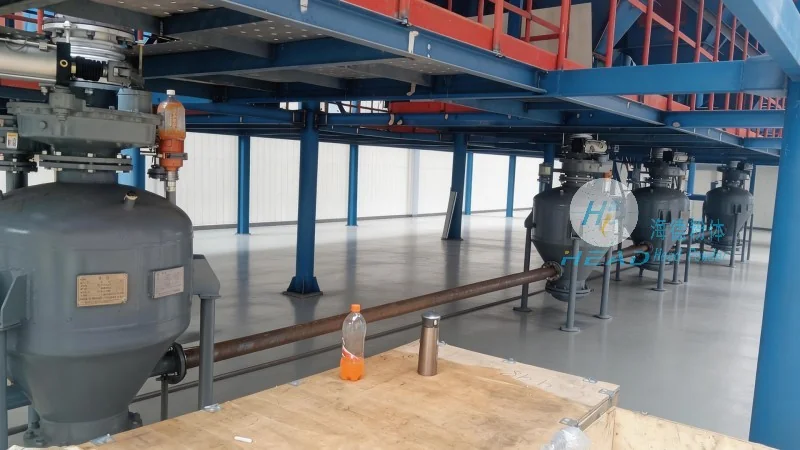
Pneumatic conveying offers several advantages over traditional mechanical systems. One of the key benefits is the ability to transport materials over long distances without the need for multiple transfer points. This reduces the risk of material spillage and contamination, which is critical for sodium dithionite due to its hygroscopic nature. Additionally, pneumatic systems provide better control over the material's flow rate and can handle varying material loads without significant performance degradation. The enclosed pipeline design also minimizes dust exposure, enhancing workplace safety and compliance with environmental regulations.
Practical Considerations for Implementing Pneumatic Conveying Systems
When implementing a pneumatic conveying system for sodium dithionite, several factors must be considered to ensure optimal performance. The first is the selection of the appropriate conveying line material. Stainless steel is commonly used due to its resistance to corrosion and its ability to handle the material's reducing properties. The diameter and length of the pipeline are also critical, as they affect the system's pressure drop and energy consumption. Proper maintenance of the system, including regular cleaning and inspection of components, is essential to prevent clogging and ensure long-term reliability. Additionally, the system should be equipped with safety features such as pressure relief valves and dust collection systems to mitigate potential hazards.
Conclusion: Choosing the Right Conveying Method for Sodium Dithionite
Selecting the appropriate conveying method for sodium dithionite depends on the specific requirements of the application, including distance, material volume, and operational conditions. While mechanical systems may be suitable for short distances, pneumatic conveying systems offer superior flexibility, efficiency, and safety for most industrial applications. Shandong HeadPowder Engineering Co., Ltd. provides comprehensive solutions tailored to meet these needs, ensuring that clients can choose the most effective and reliable conveying method for their sodium dithionite handling requirements. By understanding the material's properties and the advantages of different conveying systems, businesses can optimize their operations and enhance overall productivity.

 Shandong Headpowder Engineering Co., Ltd.
 156-6277-7102(Quản lý Trương)
  0531-83386006
  Thành phố Tế Nam, Tỉnh Sơn Đông, Trung Quốc
Điện thoại
WeChatTư vấn
Lên đầu