Với hơn 10 năm kinh nghiệm về vận chuyển khí nén, Headpowder Sơn Đông cung cấp hệ thống, thiết bị và quạt gió toàn chuỗi, đảm nhận các dự án kỹ thuật bột trọn gói trên toàn quốc.
When it comes to transporting monosodium glutamate (MSG) powder, selecting the right conveying method is crucial for efficiency, safety, and product integrity. Various options are available, each with its own set of advantages and considerations. Understanding these methods helps industries like food processing, chemical manufacturing, and pharmaceuticals choose the most suitable solution for their operations. In this article, we explore common conveying techniques and highlight the benefits of pneumatic conveying, particularly as offered by Shandong HeadPowder Engineering Co., Ltd., commonly known as HeadPowder.
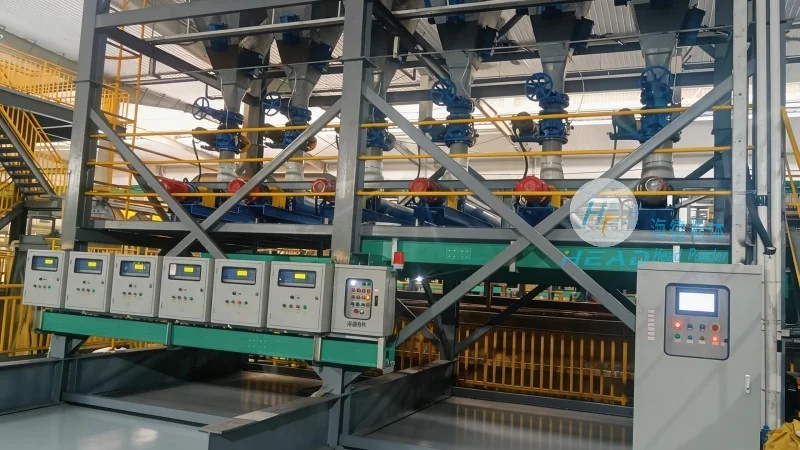
Traditional Conveying Methods for MSG Powder
Historically, many industries have relied on traditional methods such as belt conveyors, screw conveyors, and bucket elevators for transporting bulk materials like MSG powder. Belt conveyors use a continuous belt to move material from one point to another, often requiring large floor space and regular maintenance. Screw conveyors, also known as augers, are enclosed in a tube and rotate to push material forward. While effective for certain applications, these methods may face challenges with dust generation, material degradation, and the risk of contamination. Additionally, they may not be suitable for high-volume or long-distance transport, especially when dealing with fine powders that are prone to clogging or segregation.
Pneumatic Conveying: A Modern Solution for MSG Powder Transport
Pneumatic conveying, or air-based transport, has emerged as a preferred method for handling MSG powder due to its flexibility, efficiency, and ability to maintain product quality. This technology uses compressed air to move material through a pipeline system, eliminating the need for mechanical components that can cause wear and tear or introduce contaminants. There are two main types of pneumatic conveying: pressure and vacuum systems. Pressure systems use positive pressure to push material through the line, while vacuum systems use negative pressure to pull material. Both offer advantages, but pressure systems are often preferred for long-distance or high-volume applications due to their higher efficiency and lower energy consumption.
Advantages of HeadPowder's Pneumatic Conveying System
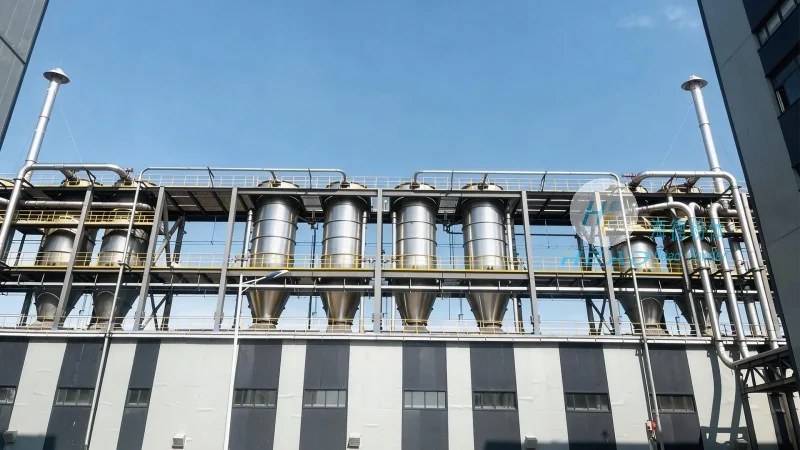
Shandong HeadPowder Engineering Co., Ltd. specializes in designing and manufacturing advanced pneumatic conveying systems tailored to the needs of the MSG industry. Their systems are engineered to provide superior performance, reliability, and cost-effectiveness. Key advantages include:
Hygienic Design: The conveying lines and components are constructed from materials that meet food-grade standards, ensuring that the MSG powder remains free from contamination during transport. This is critical for maintaining product safety and compliance with regulatory requirements.
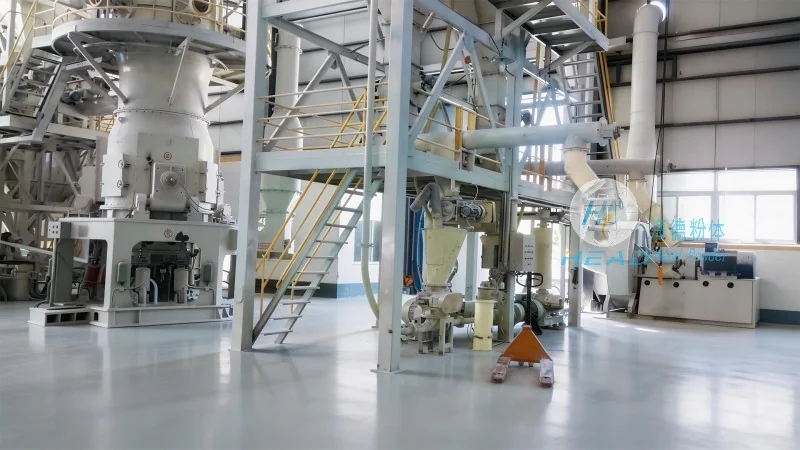
Energy Efficiency: Modern pneumatic systems from HeadPowder are optimized to minimize energy consumption while maximizing conveying capacity. Advanced control systems allow for variable speed operation, adjusting air pressure and flow rates based on the material being transported and the distance of the transport line.
Reduced Downtime: By eliminating mechanical moving parts like belts or screws, the risk of mechanical failure is significantly reduced. This leads to lower maintenance costs and less downtime, ensuring consistent production output.
Customization: HeadPowder offers customized solutions to meet specific operational requirements. Whether it's a short-distance transfer or a long-distance pipeline, their engineers can design a system that fits the exact needs of the facility. This includes options for vertical, horizontal, or mixed conveying paths, as well as integration with existing processing equipment.
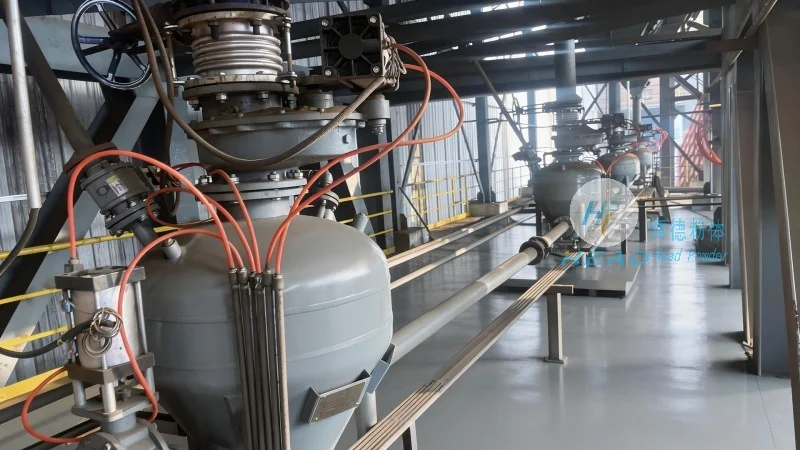
Environmental Benefits: Pneumatic conveying systems are generally more environmentally friendly compared to traditional methods. They reduce the need for large storage silos and minimize material spillage, contributing to a cleaner and safer working environment.
Application Examples and Case Studies
HeadPowder's pneumatic conveying systems have been successfully implemented in various MSG processing facilities across China. For instance, a large food processing plant in Shandong Province was able to replace their outdated screw conveyor with a pressure pneumatic system from HeadPowder. The new system reduced material degradation by 30% and cut maintenance costs by 50% over the first year of operation. Another client, a chemical manufacturer, used a vacuum pneumatic system to transport fine MSG powder from a storage silo to a blending unit, achieving a 20% increase in production speed while maintaining product quality.
Conclusion and Recommendations
When evaluating conveying methods for monosodium glutamate powder, it is essential to consider factors such as material properties, transport distance, and operational requirements. While traditional methods may still be suitable for small-scale operations, pneumatic conveying offers significant advantages in terms of efficiency, hygiene, and flexibility. For industries seeking to optimize their production processes and ensure product quality, investing in a high-quality pneumatic conveying system from a reputable manufacturer like Shandong HeadPowder Engineering Co., Ltd. is a wise decision.

 Shandong Headpowder Engineering Co., Ltd.
 156-6277-7102(Quản lý Trương)
  0531-83386006
  Thành phố Tế Nam, Tỉnh Sơn Đông, Trung Quốc
Điện thoại
WeChatTư vấn
Lên đầu