Với hơn 10 năm kinh nghiệm về vận chuyển khí nén, Headpowder Sơn Đông cung cấp hệ thống, thiết bị và quạt gió toàn chuỗi, đảm nhận các dự án kỹ thuật bột trọn gói trên toàn quốc.
Perlite, a lightweight, porous volcanic rock, is widely used in construction, horticulture, and industrial applications. Efficient and reliable conveying of perlite is crucial for optimizing production processes and ensuring consistent material handling. This article provides a detailed comparison of common perlite conveying methods, highlighting their advantages, limitations, and suitability for different operational scenarios. The information is presented by Shandong HeadPowder Engineering Co., Ltd., a leading manufacturer specializing in perlite processing and handling solutions.
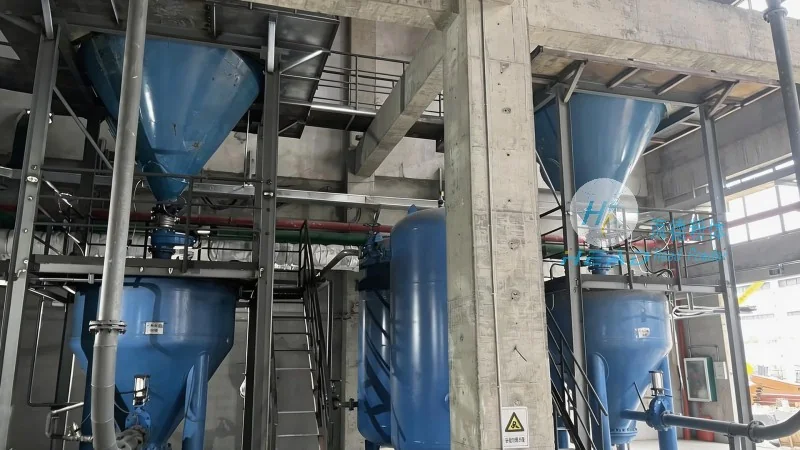
Overview of Perlite Conveying Methods
Perlite conveying involves the movement of loose, granular perlite from one location to another within a processing facility. Several methods are commonly employed, each with distinct characteristics that influence their selection based on factors such as material flow rate, distance, and environmental conditions. The primary methods include pneumatic conveying, mechanical conveying, and gravity-based systems. Each method has its own set of advantages and drawbacks, which are discussed in detail below.
Pneumatic Conveying Systems
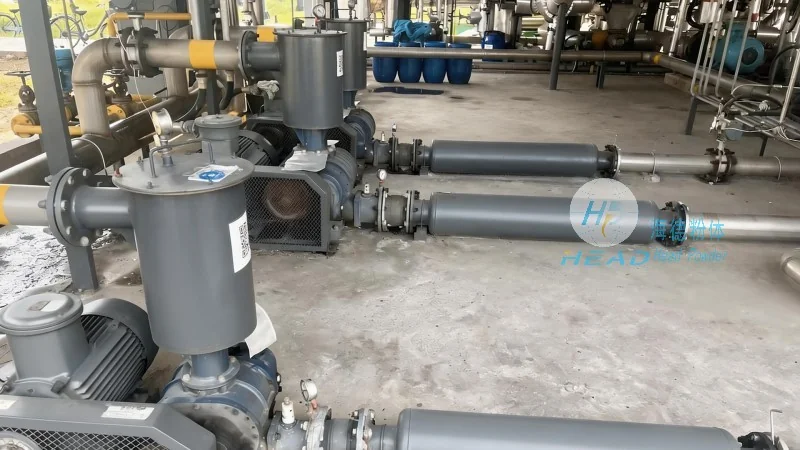
Pneumatic conveying uses air or other gases to transport perlite particles through a pipeline. This method is highly effective for long-distance and high-volume transport, as it can handle both dilute and dense phase flows. There are two main types: dilute phase and dense phase pneumatic conveying. Dilute phase systems rely on high-velocity air to suspend particles, making them suitable for short to medium distances and low to medium flow rates. Dense phase systems, on the other hand, use lower air velocities to move particles in a more compact form, reducing wear on equipment and minimizing product degradation. Pneumatic conveying offers advantages such as the ability to transport perlite in a closed system, preventing dust emissions and contamination. However, it requires significant energy input and may not be suitable for very fine or abrasive perlite particles, as this can lead to increased wear on the conveying line and associated components.
Mechanical Conveying Systems
Mechanical conveying systems utilize mechanical components like belts, screws, and buckets to move perlite. These systems are generally more cost-effective for shorter distances and lower flow rates compared to pneumatic systems. Belt conveyors are commonly used for horizontal or slight incline transport, providing a continuous and reliable flow of perlite. Screw conveyors, also known as augers, are ideal for vertical or inclined transport, as they can handle a wide range of particle sizes and moisture content. Bucket elevators are another mechanical option, particularly useful for vertical lifting of perlite over significant heights. Mechanical conveying systems are often preferred for applications where dust control is not a primary concern, as they operate in an open or semi-open environment. However, they may require more maintenance and are less flexible in terms of distance and flow rate adjustments compared to pneumatic systems.
Gravity-Based Conveying Systems
Gravity-based conveying systems rely on the natural force of gravity to move perlite from elevated to lower levels. This method is typically used for short vertical or inclined drops, where the material can flow freely without the need for external power. Chutes and troughs are common components in gravity conveying systems, designed to guide perlite along a path with minimal friction. While gravity conveying is simple and low-cost, it is limited by the need for a suitable topography and is not suitable for long distances or high flow rates. It is most effective for applications where the material is already at a higher elevation and needs to be moved to a lower point, such as in storage silos or processing plants.
Key Considerations for Choosing a Conveying Method
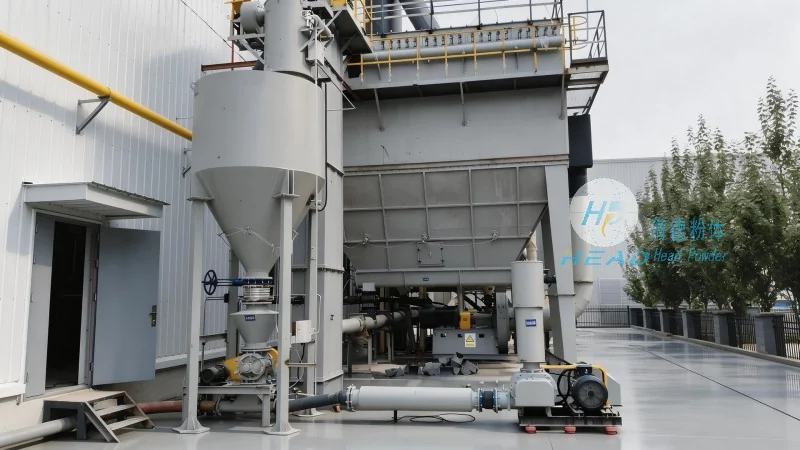
The selection of an appropriate perlite conveying method depends on several factors, including the characteristics of the perlite itself, the distance and elevation changes, the required flow rate, and the environmental regulations. The material properties of perlite, such as particle size, density, and abrasiveness, play a critical role in determining the most suitable conveying system. For example, fine or abrasive perlite may require more robust equipment in pneumatic or mechanical systems to prevent wear and ensure efficient transport. The distance and elevation changes between the source and destination points also influence the choice, as pneumatic systems are better suited for long distances, while mechanical or gravity systems are more practical for shorter distances. Additionally, the required flow rate and production capacity of the facility must be considered, as different conveying methods have varying capacities and throughput capabilities. Environmental regulations, particularly regarding dust control and emissions, may also dictate the choice of a closed system like pneumatic conveying over an open mechanical system.
Conclusion
In conclusion, the choice of a perlite conveying method is a critical decision that impacts the efficiency, cost, and reliability of perlite handling operations. Pneumatic conveying offers flexibility and dust control but requires higher energy input. Mechanical conveying is cost-effective for shorter distances but may need more maintenance. Gravity-based systems are simple and low-cost but limited by distance and elevation. Shandong HeadPowder Engineering Co., Ltd. specializes in providing tailored conveying solutions that address the specific needs of each application, ensuring optimal performance and compliance with industry standards. By understanding the advantages and limitations of each method, operators can select the most suitable system for their perlite conveying requirements, thereby enhancing overall operational efficiency and productivity.

 Shandong Headpowder Engineering Co., Ltd.
 156-6277-7102(Quản lý Trương)
  0531-83386006
  Thành phố Tế Nam, Tỉnh Sơn Đông, Trung Quốc
Điện thoại
WeChatTư vấn
Lên đầu