Với hơn 10 năm kinh nghiệm về vận chuyển khí nén, Headpowder Sơn Đông cung cấp hệ thống, thiết bị và quạt gió toàn chuỗi, đảm nhận các dự án kỹ thuật bột trọn gói trên toàn quốc.
Desulfurization gypsum, a byproduct of flue gas desulfurization in power plants and industrial facilities, requires efficient and reliable conveying methods for handling and utilization. The choice of conveying system significantly impacts operational efficiency, material quality, and overall process economics. Among various options, pneumatic conveying stands out as a preferred solution for desulfurization gypsum due to its advantages in handling fine powders and minimizing material loss. This article explores the different types of desulfurization gypsum conveying methods and introduces HeadPowder's advanced pneumatic conveying system designed to meet the specific needs of industrial applications.
Understanding Desulfurization Gypsum and Its Conveying Challenges
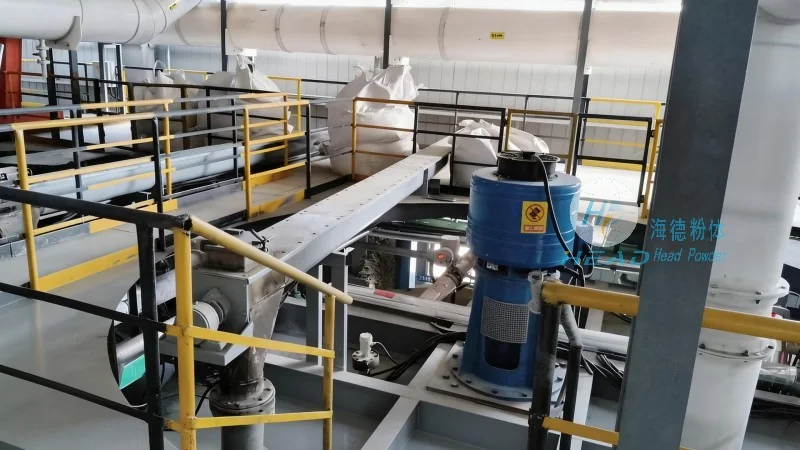
Desulfurization gypsum, also known as FGD gypsum, is a calcium sulfate dihydrate (CaSO₄·2H₂O) produced during the removal of sulfur dioxide from flue gases. It is a fine, dry powder with a particle size typically ranging from 10 to 200 microns. The handling of this material presents unique challenges, including dust generation, material agglomeration, and the need for gentle transport to preserve its quality for downstream applications such as cement production or wallboard manufacturing. Traditional conveying methods like belt conveyors or screw conveyors may not be suitable due to the fine particle size and potential for material degradation. Therefore, specialized systems are required to ensure efficient and safe transport.
Common Desulfurization Gypsum Conveying Methods
Several conveying methods are employed in industrial settings for desulfurization gypsum, each with its own set of advantages and limitations. The primary options include:
Pneumatic Conveying: This method uses air to transport the gypsum particles through a pipeline system. It offers advantages such as low maintenance, ability to handle fine powders, and reduced risk of material contamination. However, it requires careful design to manage air pressure, flow rates, and particle velocity to prevent blockages and ensure efficient transport.
Hydraulic Conveying: Involves transporting gypsum in a slurry form using water. This method is suitable for longer distances and can handle larger volumes but may lead to higher water usage and the need for additional drying processes before the gypsum can be used in cement production.
Belt Conveyors: Traditional mechanical systems that use a moving belt to transport bulk materials. While effective for larger particles, they may not be ideal for fine gypsum powders due to issues like dust generation and material spillage.
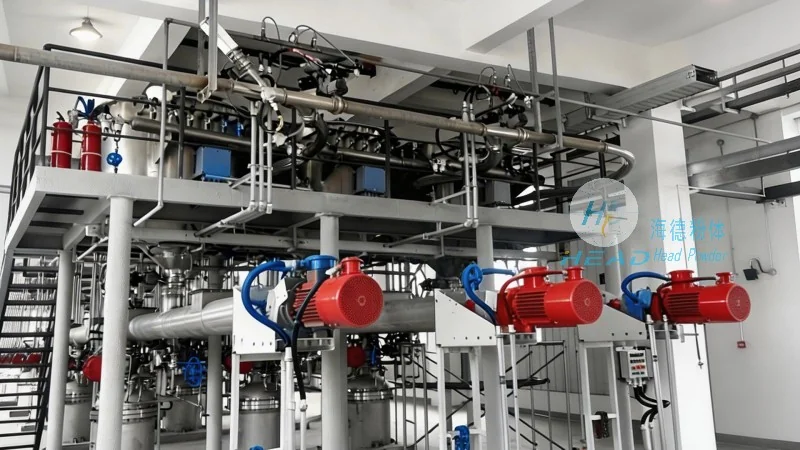
Screw Conveyors: Similar to belt conveyors, screw conveyors use a rotating screw to move material along a tube. They are suitable for moderate volumes but can cause particle degradation and are less effective for very fine powders.
HeadPowder's Pneumatic Conveying System for Desulfurization Gypsum
HeadPowder, a leading provider of powder handling solutions, specializes in developing customized pneumatic conveying systems tailored to the unique requirements of desulfurization gypsum. The company's system incorporates advanced technology to ensure optimal performance, reliability, and efficiency. Key features of HeadPowder's pneumatic conveying system include:
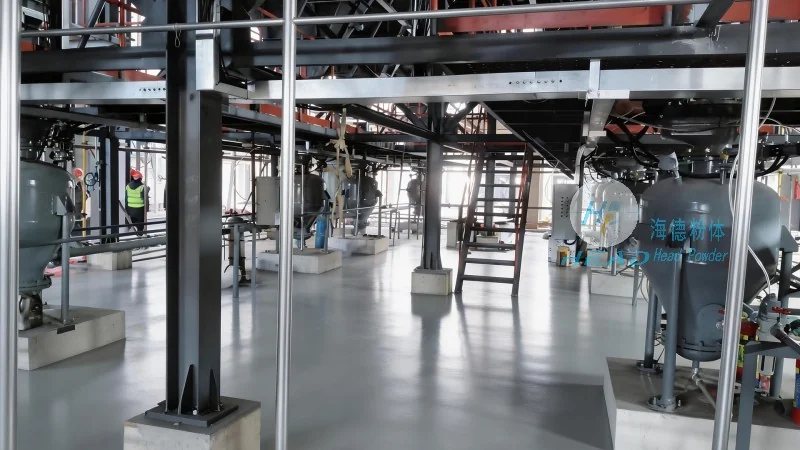
Positive Displacement Pneumatic Conveying: This method uses a positive displacement pump to create a consistent air flow, ensuring stable and controlled transport of gypsum particles. It is particularly effective for handling fine powders and preventing material segregation.
Low-Pressure Pneumatic Conveying: Designed to minimize energy consumption while maintaining efficient transport. The system operates at lower air pressures, reducing operational costs and environmental impact.
Customized Pipeline Design: HeadPowder engineers design the pipeline system based on the specific characteristics of the gypsum, including particle size, moisture content, and required transport distance. This ensures the system is optimized for the application, minimizing blockages and maximizing material throughput.
Integrated Dust Control: The system includes advanced dust collection and filtration components to comply with environmental regulations and maintain a clean working environment. This feature is crucial for industrial facilities where air quality and worker safety are paramount.
Benefits of Choosing HeadPowder's Pneumatic Conveying System
Implementing HeadPowder's pneumatic conveying system for desulfurization gypsum offers several key benefits for industrial operations:
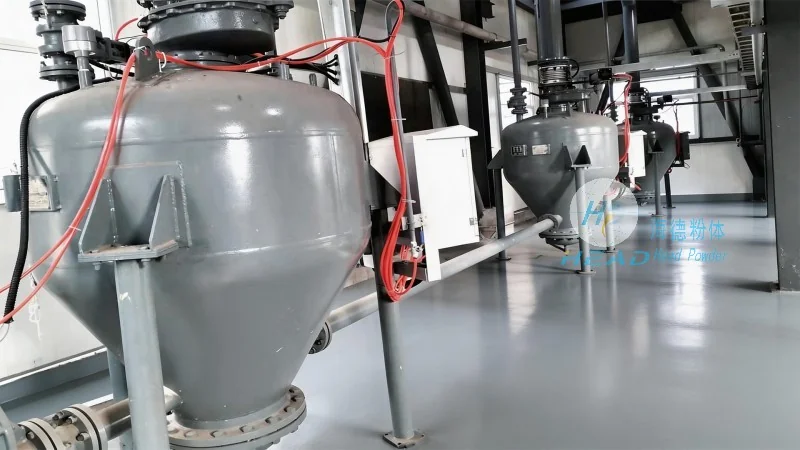
Enhanced Material Quality: The gentle transport process preserves the gypsum's quality, ensuring it meets the specifications required for downstream applications such as cement production or wallboard manufacturing.
Increased Operational Efficiency: The system's high throughput and low maintenance requirements reduce downtime and increase overall productivity. The consistent air flow and controlled particle velocity minimize blockages and ensure reliable operation.
Cost Savings: By reducing material loss and minimizing the need for additional drying processes, the system helps lower operational costs. The low-pressure design also contributes to energy savings.
Environmental Compliance: The integrated dust control features ensure compliance with environmental regulations, protecting the facility from fines and maintaining a safe working environment.
Conclusion
Desulfurization gypsum conveying is a critical aspect of industrial operations, and the choice of conveying method directly impacts the efficiency and sustainability of the process. HeadPowder's pneumatic conveying system provides a reliable and efficient solution tailored to the unique challenges of handling desulfurization gypsum. By leveraging advanced technology and customized design, the system ensures optimal performance, material quality, and operational efficiency. For industrial facilities seeking to enhance their gypsum handling capabilities, HeadPowder's solutions offer a proven and effective approach to meet their conveying needs.

 Shandong Headpowder Engineering Co., Ltd.
 156-6277-7102(Quản lý Trương)
  0531-83386006
  Thành phố Tế Nam, Tỉnh Sơn Đông, Trung Quốc
Điện thoại
WeChatTư vấn
Lên đầu