Với hơn 10 năm kinh nghiệm về vận chuyển khí nén, Headpowder Sơn Đông cung cấp hệ thống, thiết bị và quạt gió toàn chuỗi, đảm nhận các dự án kỹ thuật bột trọn gói trên toàn quốc.
When it comes to transporting phosphoric hydrogen calcium, the choice of conveying method plays a crucial role in ensuring efficiency, safety, and cost-effectiveness in industrial operations. As a leading provider in the field, Shandong HeadPowder Engineering Co., Ltd. (hereinafter referred to as HeadPowder) specializes in advanced material handling solutions, with a particular focus on pneumatic conveying systems for phosphoric hydrogen calcium. This article explores the various conveying methods available and highlights HeadPowder's innovative approach to phosphoric hydrogen calcium transport.
Common Conveying Methods for Phosphoric Hydrogen Calcium
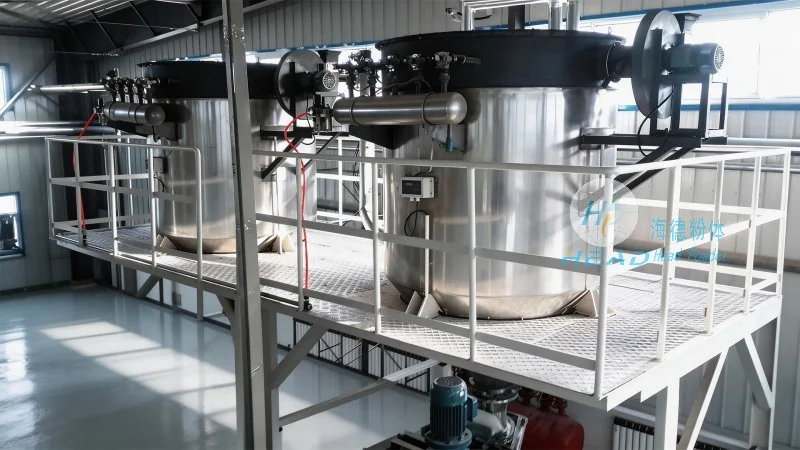
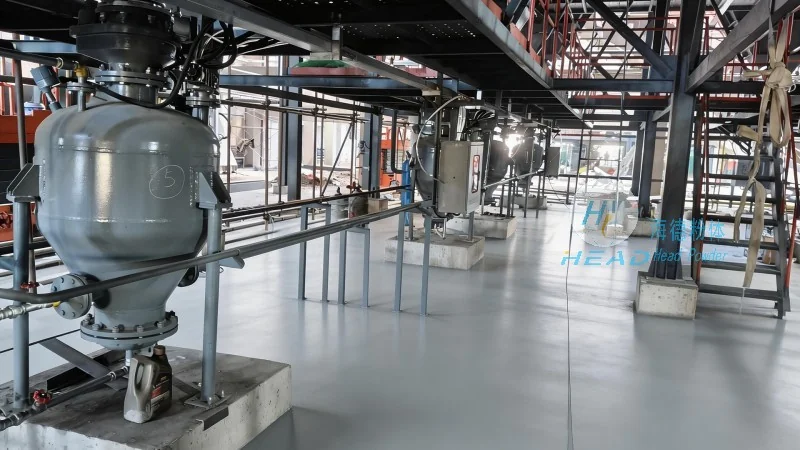
Phosphoric hydrogen calcium, a key raw material in various industrial applications, requires reliable and efficient transport from storage to processing units. Traditional conveying methods include gravity flow, mechanical conveyors such as belt conveyors or screw conveyors, and pneumatic systems. Each method has its advantages and limitations, making the selection dependent on factors like material properties, plant layout, and operational requirements. Gravity flow systems are simple and cost-effective for short distances with minimal elevation changes, but they are limited by the need for suitable topography. Mechanical conveyors offer better control over speed and direction but may experience issues with material buildup or wear on components. Pneumatic conveying, on the other hand, provides a flexible and efficient solution, especially for handling fine or dusty materials like phosphoric hydrogen calcium.
HeadPowder's Pneumatic Conveying System for Phosphoric Hydrogen Calcium
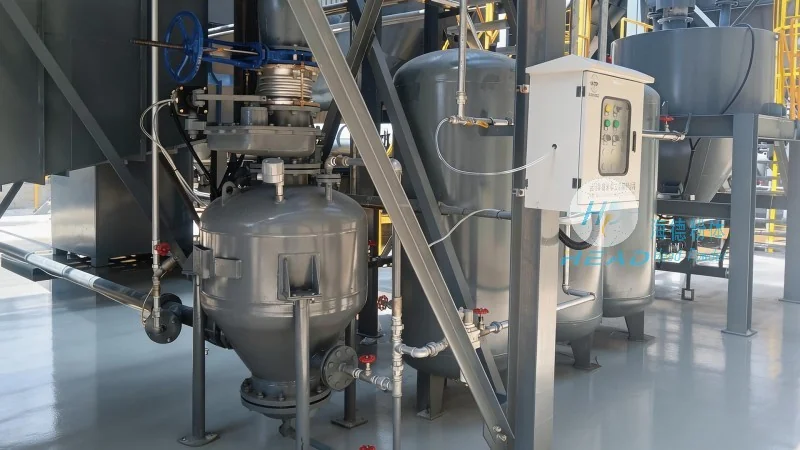
HeadPowder's pneumatic conveying system represents a cutting-edge solution tailored to the unique characteristics of phosphoric hydrogen calcium. The system utilizes a combination of positive and negative pressure to transport material through a network of pipes, ensuring minimal product degradation and maximum operational efficiency. Key components of the system include a feed hopper, a rotary valve, a conveying line, and a dust collector. The feed hopper allows for controlled material feeding, while the rotary valve prevents backflow and maintains consistent flow rates. The conveying line, typically made of stainless steel or other corrosion-resistant materials, is designed to withstand the chemical properties of phosphoric hydrogen calcium and prevent contamination. The dust collector ensures that airborne particles are captured and returned to the system, maintaining a clean and safe working environment.
Advantages of HeadPowder's Pneumatic Conveying System
Compared to traditional conveying methods, HeadPowder's pneumatic system offers several advantages that make it an ideal choice for phosphoric hydrogen calcium transport. Firstly, it eliminates the need for mechanical components that can cause wear and tear, reducing maintenance costs and downtime. The system also provides better control over material flow, allowing for precise dosing and minimizing product loss. Additionally, pneumatic conveying is less susceptible to material bridging or caking, which can occur with other systems, ensuring consistent performance. The flexibility of the system allows for easy integration with existing plant layouts, and the ability to transport material over long distances without the need for intermediate storage points enhances overall operational efficiency. HeadPowder's system is also designed with safety in mind, incorporating features such as pressure relief valves and explosion-proof components to protect personnel and equipment.
Application Scenarios and Operational Benefits
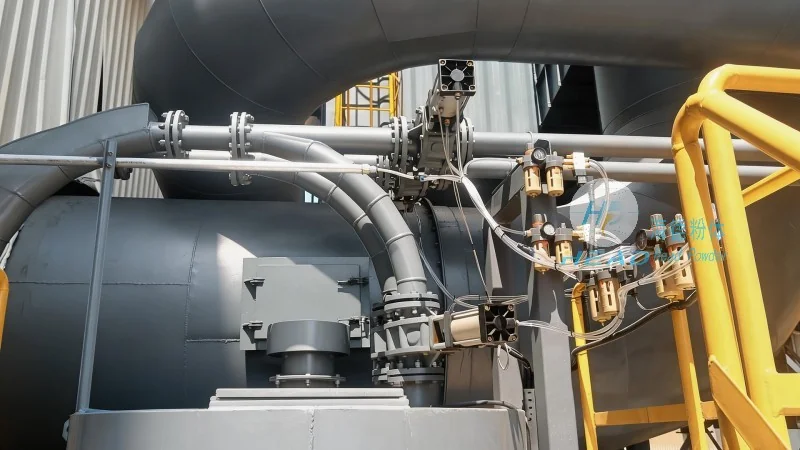
The pneumatic conveying system from HeadPowder has been successfully implemented in various industrial settings, including fertilizer production, food processing, and chemical manufacturing. In these applications, the system has demonstrated significant improvements in productivity and safety. For example, in a fertilizer plant, the system replaced a traditional screw conveyor, reducing material handling time by 30% and minimizing dust exposure for workers. The consistent flow rate and reduced maintenance requirements have also led to lower operational costs. In the food processing industry, the system's ability to handle fine powders without contamination has met stringent quality standards, ensuring product safety and compliance with regulations. The system's adaptability to different plant sizes and operational conditions makes it a versatile solution for a wide range of phosphoric hydrogen calcium applications.
Conclusion and Contact Information
Shandong HeadPowder Engineering Co., Ltd. continues to lead the way in phosphoric hydrogen calcium conveying solutions with its advanced pneumatic conveying system. By leveraging cutting-edge technology and a deep understanding of material handling, HeadPowder provides reliable and efficient transport solutions that meet the demands of modern industrial operations. For businesses seeking to optimize their phosphoric hydrogen calcium transport processes, HeadPowder offers tailored solutions that enhance productivity, reduce costs, and ensure safety. With its headquarters in Shandong, China, HeadPowder remains committed to delivering high-quality products and services to clients worldwide.

 Shandong Headpowder Engineering Co., Ltd.
 156-6277-7102(Quản lý Trương)
  0531-83386006
  Thành phố Tế Nam, Tỉnh Sơn Đông, Trung Quốc
Điện thoại
WeChatTư vấn
Lên đầu