Với hơn 10 năm kinh nghiệm về vận chuyển khí nén, Headpowder Sơn Đông cung cấp hệ thống, thiết bị và quạt gió toàn chuỗi, đảm nhận các dự án kỹ thuật bột trọn gói trên toàn quốc.
Shandong HeadPowder Engineering Co., Ltd., commonly known as HeadPowder, specializes in engineering solutions for material handling, particularly in the design and implementation of pneumatic conveying systems tailored for negative electrode materials used in lithium-ion battery production. With operations based in Shandong, China, the company leverages extensive industry experience to deliver customized solutions that optimize efficiency, reliability, and safety in material transport processes.
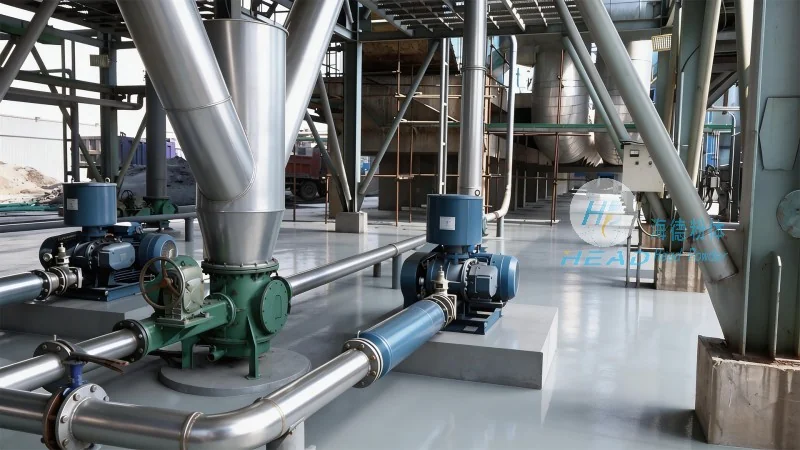
Key Considerations in Designing a Pneumatic Conveying System
Designing an effective negative electrode material pneumatic conveying system requires a comprehensive understanding of several critical factors. The first step involves evaluating the physical and chemical properties of the negative electrode material, such as particle size distribution, moisture content, and dust generation characteristics. These properties directly impact the choice of conveying system type—whether it’s a pressure or vacuum system—and the selection of appropriate components like hoppers, feeders, and pipelines. For instance, materials with high dust generation may necessitate sealed systems to prevent contamination and ensure environmental compliance.
System Components and Their Role in Efficient Material Transport
The core components of a pneumatic conveying system for negative electrode materials include the hopper, which stores the material and facilitates controlled feeding; the feeder, responsible for maintaining a consistent flow rate to avoid blockages or uneven material discharge; and the pipeline network, which transports the material from the source to the destination. The design of these components is crucial for minimizing material degradation and ensuring smooth operation. For example, the hopper may be equipped with a rotary valve or a screw feeder to regulate the material flow, while the pipeline is typically made of stainless steel to withstand the corrosive nature of some negative electrode materials and to prevent material buildup.
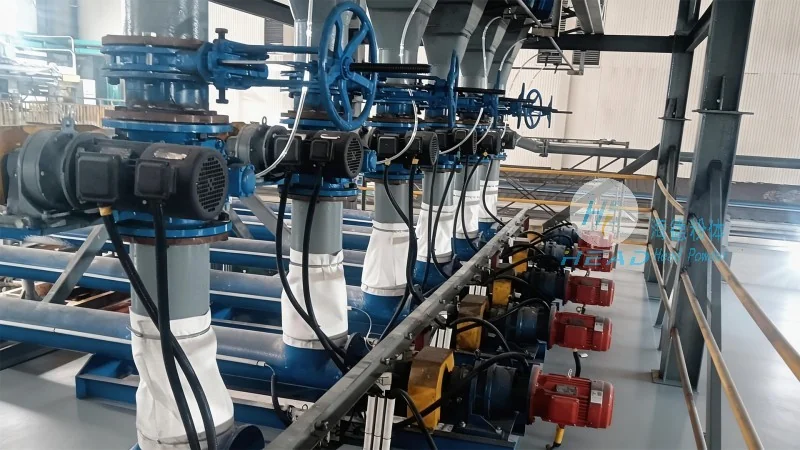
Selection of Conveying Method: Pressure vs. Vacuum Systems
Two primary methods are commonly used in pneumatic conveying: pressure and vacuum systems. Pressure systems use compressed air to push material through the pipeline, while vacuum systems employ a vacuum to pull material. The choice between these systems depends on factors such as the distance between the material source and destination, the material’s flowability, and the system’s overall pressure requirements. For longer distances or when transporting materials with poor flowability, pressure systems are often preferred due to their higher pressure capabilities. Conversely, vacuum systems are suitable for shorter distances or when the material needs to be conveyed from a lower elevation to a higher one, as they can create a negative pressure to draw material upward.
Control and Monitoring Systems for Optimal Performance
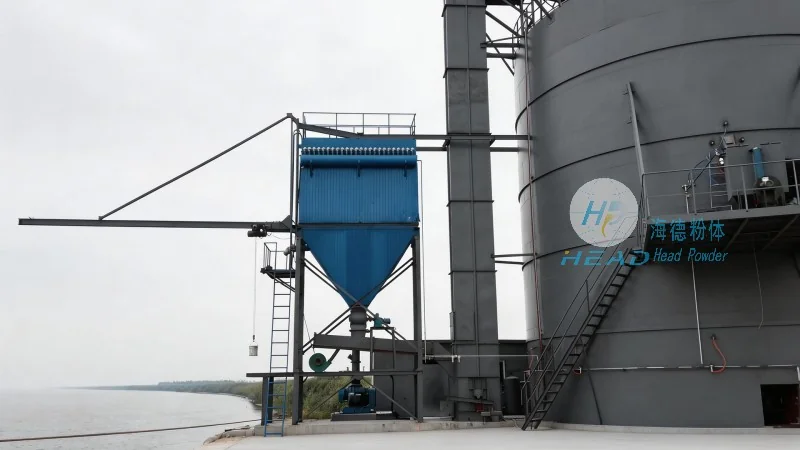
Advanced control and monitoring systems are essential for maintaining the efficiency and reliability of a negative electrode material pneumatic conveying system. These systems typically include sensors to monitor pressure, flow rate, and material level in the hopper and pipeline. Real-time data from these sensors allows operators to adjust system parameters dynamically, ensuring that the conveying process remains stable and efficient. For example, if the pressure in the pipeline drops, the system can automatically increase the air flow rate to maintain consistent material transport. Additionally, alarms and safety features are integrated to prevent overpressure or vacuum conditions that could damage equipment or pose safety risks.
Ensuring Compliance and Safety in Material Handling
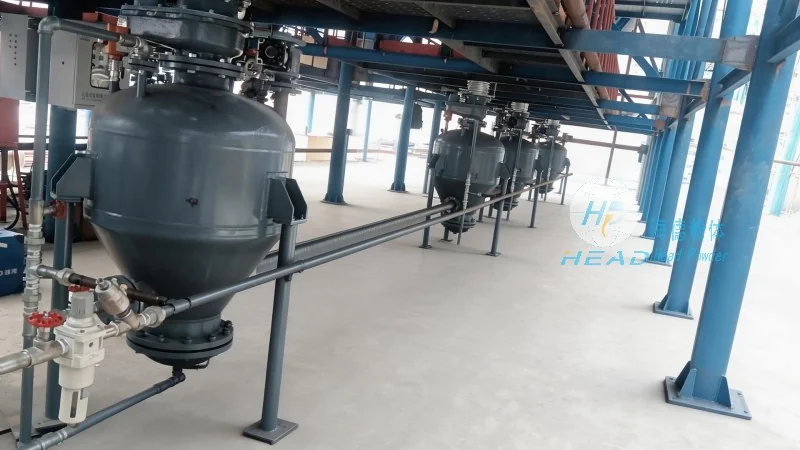
When designing a pneumatic conveying system for negative electrode materials, compliance with safety and environmental regulations is paramount. Negative electrode materials, especially those containing lithium or other reactive components, require careful handling to prevent accidents such as fires or explosions. The system design must include features like explosion-proof components, dust collection systems, and emergency shutdown mechanisms. Furthermore, the use of sealed and enclosed systems helps to contain dust and prevent exposure to personnel, ensuring a safe working environment. HeadPowder adheres to international safety standards and provides comprehensive safety assessments to ensure that their systems meet regulatory requirements and protect both personnel and the environment.
Customization and Scalability: Tailoring Solutions to Specific Needs
Every negative electrode material pneumatic conveying system is unique, and HeadPowder recognizes the importance of customization to meet specific client requirements. The company works closely with clients to understand their production processes, material characteristics, and operational constraints, then designs a system that is scalable and adaptable to future changes. Whether the system needs to handle varying material types or expand to accommodate increased production volumes, HeadPowder’s engineering team can develop solutions that grow with the client’s business. This approach ensures that the system remains efficient and cost-effective over its lifecycle, providing long-term value to the client.

 Shandong Headpowder Engineering Co., Ltd.
 156-6277-7102(Quản lý Trương)
  0531-83386006
  Thành phố Tế Nam, Tỉnh Sơn Đông, Trung Quốc
Điện thoại
WeChatTư vấn
Lên đầu