Với hơn 10 năm kinh nghiệm về vận chuyển khí nén, Headpowder Sơn Đông cung cấp hệ thống, thiết bị và quạt gió toàn chuỗi, đảm nhận các dự án kỹ thuật bột trọn gói trên toàn quốc.
Food additives are integral to the food processing industry, enhancing product quality, extending shelf life, and modifying texture or flavor. The efficient and safe transportation of these additives from storage to production lines is vital for maintaining product consistency and operational efficiency. This article explores various conveying methods for food additives, highlighting key considerations and applications in industrial settings.
Key Factors Influencing Conveying Method Selection
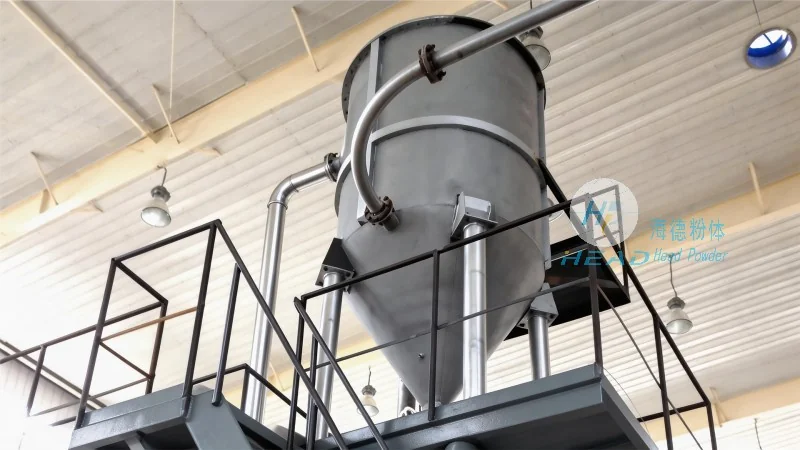
When selecting a conveying method for food additives, several factors must be considered to ensure compliance with industry standards and operational requirements. These include the physical properties of the additive (such as particle size, moisture content, and bulk density), the required conveying capacity, the distance between storage and processing areas, and the need for hygiene and contamination control. Additionally, the type of equipment available and the overall budget for the system are critical in determining the most suitable option.
Common Conveying Methods for Food Additives
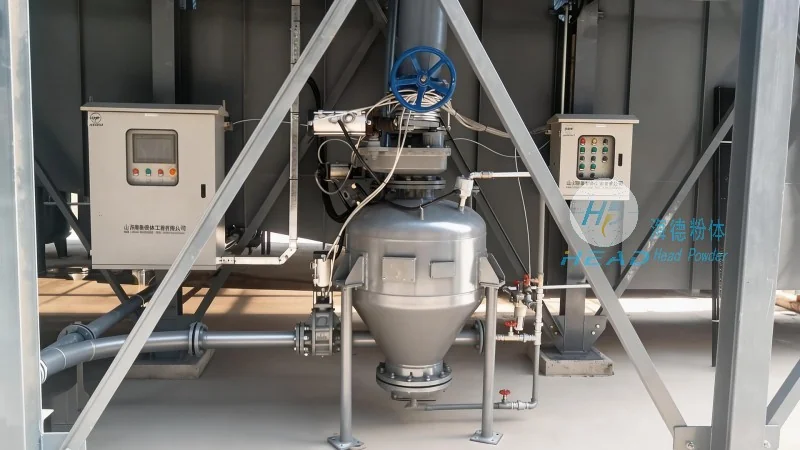
Several methods are commonly employed for transporting food additives, each with its own advantages and limitations. The choice of method often depends on the specific characteristics of the additive and the operational needs of the facility.
Pneumatic Conveying Systems
Pneumatic conveying systems use air or other gases to transport dry powders and granules. These systems are widely used in the food industry due to their ability to handle a wide range of particle sizes and their relatively low maintenance requirements. There are two main types of pneumatic conveying: pressure and vacuum systems. Pressure systems use compressed air to push the material through a pipeline, while vacuum systems use a vacuum to draw the material into the system. Pneumatic conveying is particularly effective for additives that are prone to caking or agglomeration, as the air flow helps to break up clumps and maintain a consistent flow rate.
Auger or Screw Conveyors
Auger or screw conveyors are mechanical devices that use a rotating screw to move materials through a tube or trough. These conveyors are suitable for conveying dry, free-flowing powders and granules, such as food colorings, flavorings, and preservatives. Screw conveyors are often used in horizontal or slightly inclined applications, as the screw design helps to prevent material from falling out of the trough. They are relatively simple to install and maintain, making them a cost-effective option for many food processing facilities.
Bucket Elevators
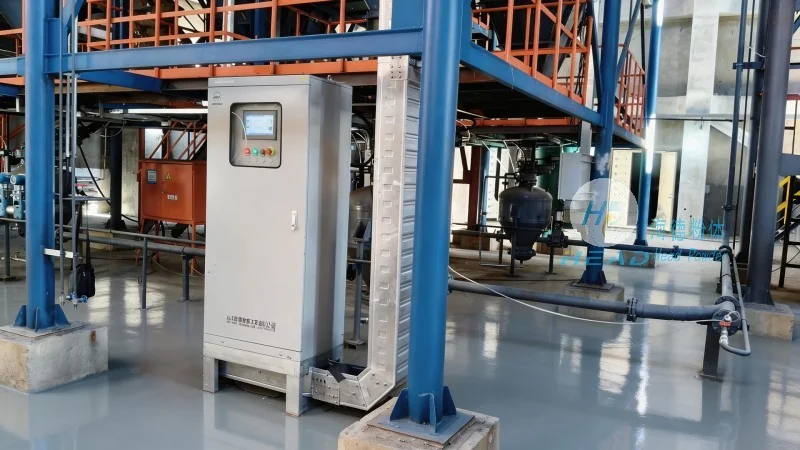
Bucket elevators are vertical or inclined conveyors that use a chain or belt with attached buckets to lift and transport materials. These systems are ideal for conveying additives that need to be moved vertically or over long distances. Bucket elevators are capable of handling a wide range of bulk densities and can be designed to operate at high speeds, increasing the conveying capacity. They are commonly used in the food industry for transporting powders and granules from storage silos to processing lines, ensuring a continuous and efficient flow of materials.
Belt Conveyors
Belt conveyors use a continuous belt to transport materials horizontally or at a slight incline. These conveyors are suitable for conveying larger particles or bulkier additives, such as whole spices or dried fruits. Belt conveyors are often used in combination with other equipment, such as hoppers or feeders, to ensure a smooth and consistent flow of materials. They are easy to clean and maintain, making them a popular choice for food processing applications where hygiene is a priority.
Hygienic Design Considerations
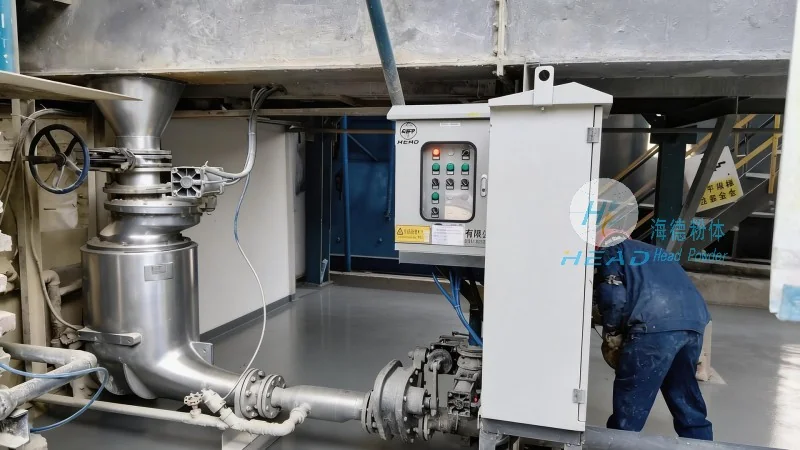
When selecting a conveying method for food additives, it is essential to consider the hygienic design of the equipment. Food processing facilities must comply with regulations such as the FDA's Current Good Manufacturing Practices (cGMP) and the European Union's Food Safety Regulation. Conveying systems must be designed to prevent contamination from external sources and to facilitate cleaning and maintenance. This includes features such as smooth surfaces, minimal dead zones, and easy-to-remove components. The materials used in the construction of the conveying equipment must also be food-grade and resistant to corrosion and wear.
Case Study: HeadPowder's Conveying Solutions
Shandong HeadPowder Engineering Co., Ltd., a leading manufacturer of food processing equipment, specializes in providing customized conveying solutions for food additives. The company's expertise lies in designing and manufacturing systems that meet the specific needs of food manufacturers, ensuring efficiency, safety, and compliance with industry standards. HeadPowder's conveying systems are designed with hygienic considerations in mind, using materials such as stainless steel and food-grade plastics to prevent contamination. The company's team of engineers works closely with clients to assess their operational requirements and recommend the most suitable conveying method, whether it is a pneumatic system, screw conveyor, or bucket elevator.

 Shandong Headpowder Engineering Co., Ltd.
 156-6277-7102(Quản lý Trương)
  0531-83386006
  Thành phố Tế Nam, Tỉnh Sơn Đông, Trung Quốc
Điện thoại
WeChatTư vấn
Lên đầu