Với hơn 10 năm kinh nghiệm về vận chuyển khí nén, Headpowder Sơn Đông cung cấp hệ thống, thiết bị và quạt gió toàn chuỗi, đảm nhận các dự án kỹ thuật bột trọn gói trên toàn quốc.
Wood fiber conveying is a critical process in various industrial applications, particularly in the paper and pulp industry, where efficient and reliable transport of wood fibers is essential for maintaining production efficiency and product quality. Understanding the common methods used for wood fiber conveying can help businesses optimize their operations and select the most suitable equipment for their specific needs. This article explores several prevalent approaches to wood fiber conveying, providing insights into their mechanisms, advantages, and typical applications. The information presented here is based on industry standards and practical experience, with a focus on the technologies offered by Shandong HeadPowder Engineering Co., Ltd., a leading provider of conveying solutions in China.
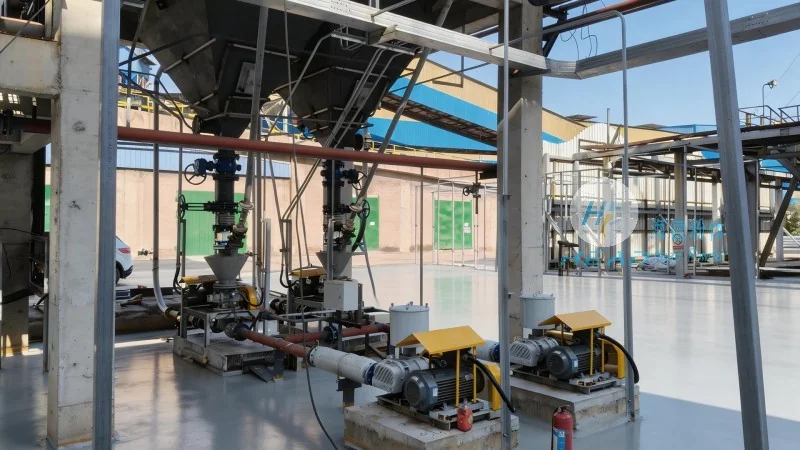
1. Mechanical Conveying Systems
Mechanical conveying systems are among the most traditional and widely used methods for transporting wood fibers. These systems utilize mechanical components such as belts, screws, and buckets to move material from one location to another. One of the most common types is the belt conveyor, which consists of a continuous loop of belt supported by rollers. Wood fibers are placed on the belt and transported horizontally or at a slight incline. This method is particularly effective for short to medium distances and is often used in processing plants where the material needs to be moved between different stages of production. The mechanical nature of these systems provides a reliable and consistent flow, making them suitable for high-volume operations. Additionally, belt conveyors can be equipped with various accessories like feeders and dividers to enhance their functionality and adapt to different processing requirements.
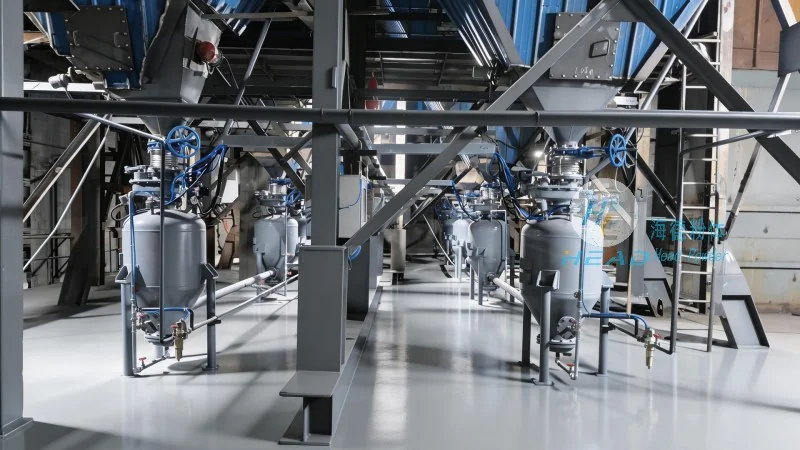
2. Screw Conveyors
Screw conveyors, also known as auger conveyors, are another popular mechanical method for wood fiber transport. These systems feature a rotating screw (auger) inside a trough or tube, which pushes the material forward as it rotates. Screw conveyors are highly effective for vertical and inclined transport, allowing wood fibers to be moved upward or at an angle without the need for additional lifting equipment. They are particularly useful in applications where space is limited or where the material needs to be elevated to a higher level. The design of screw conveyors allows for a compact footprint, making them ideal for installations in confined areas. Moreover, these systems can handle a wide range of materials, including wet or dry wood fibers, and can be customized with different screw diameters and pitch to optimize performance. However, it is important to note that screw conveyors may experience higher friction and wear compared to other mechanical systems, especially when handling abrasive materials.
3. Pneumatic Conveying Systems
Pneumatic conveying, or air-based transport, is a non-mechanical method that uses air pressure to move wood fibers through a pipeline. This approach involves creating a flow of air within a duct, which carries the material from the source to the destination. Pneumatic systems can be categorized into two main types: pressure and vacuum. Pressure systems use compressed air to push the material forward, while vacuum systems use a vacuum to pull the material into the pipeline. Pneumatic conveying is particularly advantageous for applications requiring dust-free or enclosed transport, as the material is contained within the pipeline, reducing exposure to the environment. This method is also effective for long-distance transport and can handle fine or powdery wood fibers that might be difficult to move with mechanical systems. However, pneumatic conveying may require higher energy consumption compared to mechanical methods, and the system design must be carefully considered to prevent material degradation or blockages. Proper maintenance and cleaning of the pipeline are also essential to ensure consistent performance.
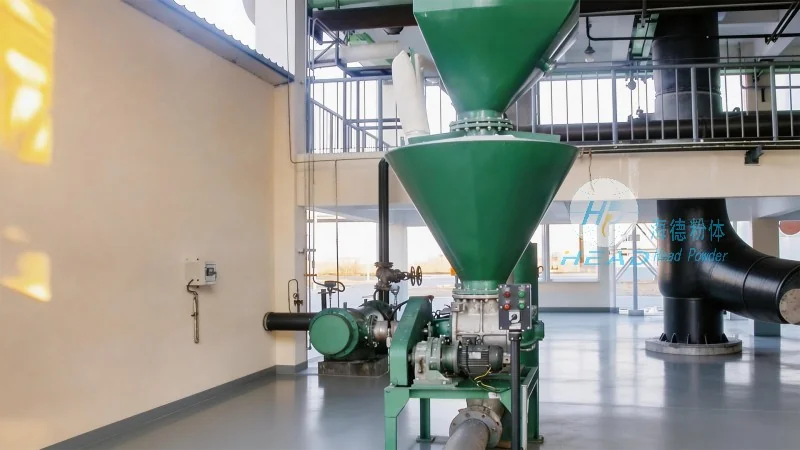
4. Hydraulic Conveying
Hydraulic conveying systems utilize water or other fluids to transport wood fibers. These systems are typically used in applications where the material is mixed with water, such as in the pulp and paper industry. The wood fibers are suspended in the fluid and transported through pipes under pressure. Hydraulic conveying is particularly effective for handling wet or slurry-like wood fibers, as the fluid helps to keep the material in suspension and prevents clogging. This method is often used in large-scale processing plants where the material needs to be moved over long distances or through complex networks of pipes. The main advantage of hydraulic conveying is its ability to handle high volumes of material with relatively low energy consumption compared to pneumatic systems. However, the system requires careful management of water usage and may involve additional treatment processes to recover and reuse the fluid. Proper filtration and maintenance are crucial to maintain the efficiency and longevity of hydraulic conveying systems.
5. Combination Conveying Systems
In many industrial settings, a single conveying method may not be sufficient to meet all the requirements of a wood fiber processing plant. As a result, combination or hybrid conveying systems are increasingly used. These systems integrate multiple technologies, such as mechanical and pneumatic components, to achieve optimal performance. For example, a plant might use a screw conveyor to move wood fibers from a storage area to a pneumatic pipeline, where they are then transported to the processing unit. This combination allows for efficient transport over both short and long distances, while also providing flexibility in handling different material types and conditions. Combination systems are particularly beneficial in large-scale operations where the material flow needs to be managed across multiple stages and locations. The design of these systems requires careful planning and integration to ensure smooth operation and minimal downtime. By combining the strengths of different conveying methods, businesses can achieve higher overall efficiency and reliability in their wood fiber transport processes.

 Shandong Headpowder Engineering Co., Ltd.
 156-6277-7102(Quản lý Trương)
  0531-83386006
  Thành phố Tế Nam, Tỉnh Sơn Đông, Trung Quốc
Điện thoại
WeChatTư vấn
Lên đầu