Với hơn 10 năm kinh nghiệm về vận chuyển khí nén, Headpowder Sơn Đông cung cấp hệ thống, thiết bị và quạt gió toàn chuỗi, đảm nhận các dự án kỹ thuật bột trọn gói trên toàn quốc.
When it comes to efficiently handling paddy grain, a well-designed pneumatic conveying system is crucial for optimizing the entire process. This guide will walk you through the key considerations and steps involved in creating a rational system tailored to your specific needs.
Understanding the Basics of Paddy Grain Pneumatic Conveying
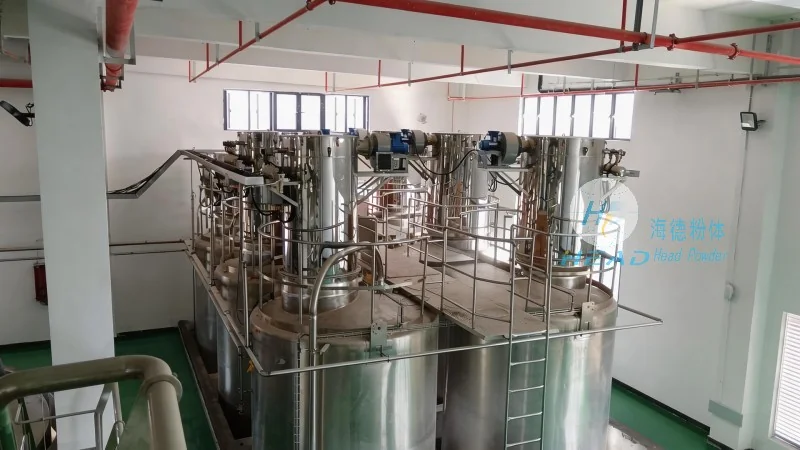
Paddy grain, with its unique physical properties such as moisture content and particle size, requires specialized handling equipment. Pneumatic conveying systems use air or gas to transport bulk materials like paddy grain through a pipeline network. The primary goal is to achieve efficient, low-cost, and reliable material transport while minimizing product damage.
Key Factors in System Design
Several critical factors must be considered when designing a pneumatic conveying system for paddy grain. These include the material's bulk density, flowability, moisture content, and the desired conveying distance and capacity. The choice of system type—such as dilute-phase or dense-phase—will depend on these factors, as well as the specific application requirements.
System Components and Their Roles
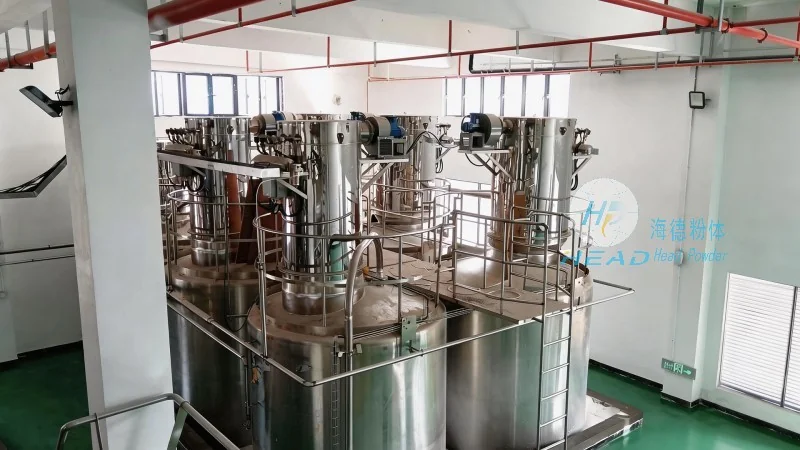
A typical paddy grain pneumatic conveying system consists of several key components. The main elements include a material feed hopper, a conveying pipeline, a dust separator or filter, and a discharge outlet. Each component plays a vital role in ensuring the system operates smoothly and efficiently. For instance, the feed hopper ensures a consistent material flow, while the dust separator prevents contamination and maintains air quality.
Design Steps for a Rational System
The design process begins with an accurate assessment of the material characteristics and operational parameters. This includes determining the required conveying capacity, the distance the material needs to travel, and the available air pressure. Engineers then calculate the necessary air velocity and pressure to achieve the desired flow rate. The selection of appropriate equipment, such as blowers or fans, and the sizing of the pipeline are critical steps that directly impact the system's performance.
Ensuring System Efficiency and Reliability
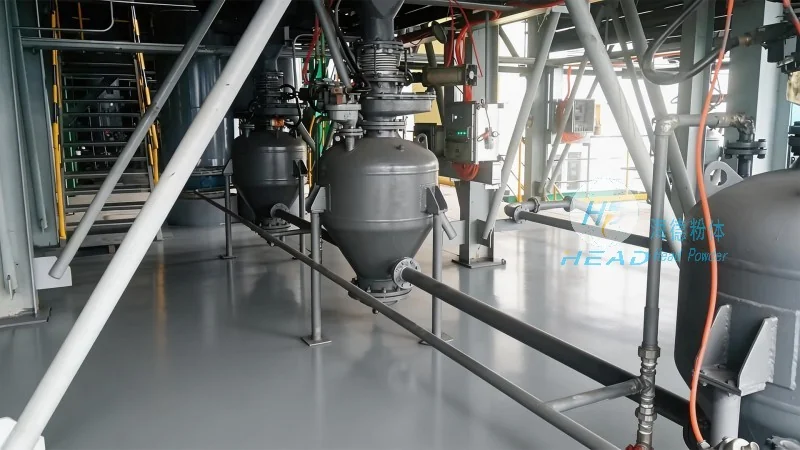
Optimizing the pneumatic conveying system for paddy grain involves balancing several variables. For example, maintaining the right air-to-material ratio is essential to prevent blockages or excessive energy consumption. Regular maintenance of components like filters and blowers is also crucial to ensure long-term reliability. By adhering to these design principles, you can create a system that meets your operational needs while minimizing operational costs.
About Shandong HeadPowder Engineering Co., Ltd.
Shandong HeadPowder Engineering Co., Ltd., commonly known as HeadPowder, is a leading provider of engineering solutions for material handling systems. With years of experience in the industry, HeadPowder specializes in designing and manufacturing pneumatic conveying systems tailored to various bulk materials, including paddy grain. The company's expertise lies in creating customized solutions that enhance efficiency and reduce operational costs for its clients. HeadPowder is committed to delivering high-quality, reliable equipment and services to meet the diverse needs of the agricultural and industrial sectors.
Location and Contact Information
HeadPowder is headquartered in Shandong, China, with a strong presence in the material handling industry. The company's location in Shandong provides access to a skilled workforce and advanced manufacturing facilities, enabling the production of high-quality pneumatic conveying systems. By leveraging local expertise and resources, HeadPowder ensures that its products meet the highest standards of performance and durability.

 Shandong Headpowder Engineering Co., Ltd.
 156-6277-7102(Quản lý Trương)
  0531-83386006
  Thành phố Tế Nam, Tỉnh Sơn Đông, Trung Quốc
Điện thoại
WeChatTư vấn
Lên đầu