Với hơn 10 năm kinh nghiệm về vận chuyển khí nén, Headpowder Sơn Đông cung cấp hệ thống, thiết bị và quạt gió toàn chuỗi, đảm nhận các dự án kỹ thuật bột trọn gói trên toàn quốc.
Micro powder conveying is a critical process in many industrial applications, especially in sectors dealing with fine powders such as pharmaceuticals, chemicals, food processing, and manufacturing. The efficiency and reliability of the conveying system directly impact production quality, safety, and operational costs. As industries evolve, the demand for advanced, efficient, and safe conveying solutions has grown, leading to the development of various methods. This article explores common micropowder conveying methods and highlights the advantages and features of HeadPowder's pneumatic conveying technology.
Understanding Micropowder Conveying: The Core Challenge
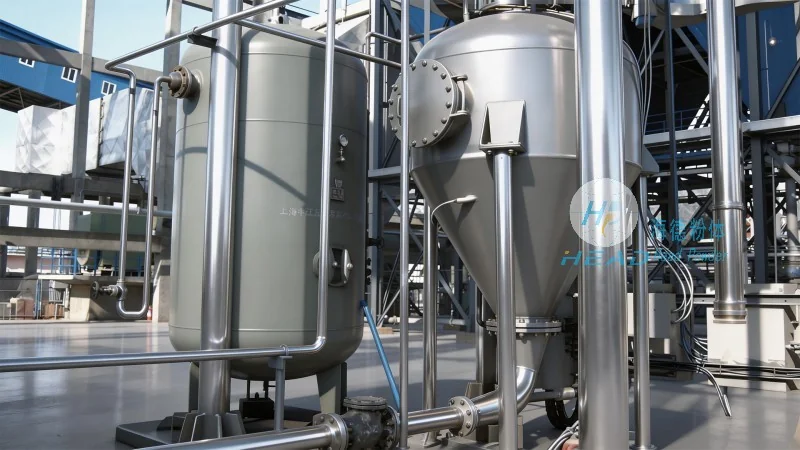
Conveying micropowders presents unique challenges compared to bulk materials. Fine powders are prone to caking, segregation, and dust generation, which can lead to blockages, equipment wear, and environmental issues. Traditional methods like belt conveyors or screw conveyors may not be suitable due to the risk of powder degradation or contamination. Therefore, specialized systems are required to maintain the integrity of the material while ensuring smooth transport.
Common Micropowder Conveying Methods
Several methods are widely used for micropowder transport, each with its own set of advantages and limitations. The choice of method depends on factors such as material properties, process requirements, and operational environment.
Gravity Conveying: This method relies on the natural flow of powder under gravity, often using chutes or hoppers. It is simple and low-cost but is limited by the need for a suitable slope and is not suitable for long distances or vertical transport.
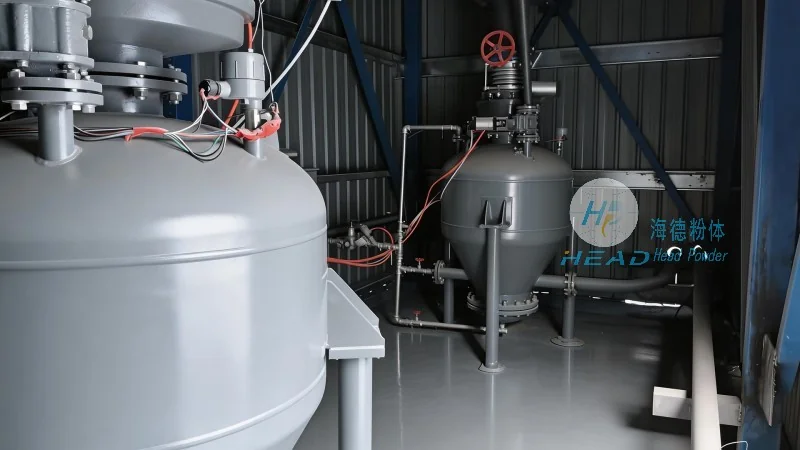
Pneumatic Conveying: This technique uses air or gas to transport powders through a pipeline. It offers flexibility in terms of direction and distance and can handle both horizontal and vertical transport. However, it requires careful control of air pressure and flow rates to prevent material degradation.
Screw Conveyors: Screw conveyors use a rotating screw to move powders along a tube. They are suitable for moderate distances and can handle a variety of materials, but they may cause particle attrition and are less effective for very fine powders.
Belt Conveyors: Belt conveyors use a moving belt to transport powders. They are commonly used in bulk material handling but may not be ideal for micropowders due to the risk of dust and material separation.
HeadPowder's Pneumatic Conveying Solution: Advantages and Features
HeadPowder, a leading provider of industrial conveying solutions, specializes in pneumatic conveying systems tailored for micropowders. The company's approach combines advanced technology with a deep understanding of material behavior to deliver reliable and efficient transport solutions. Here are the key advantages and features of HeadPowder's pneumatic conveying systems:
High Efficiency and Reliability: HeadPowder's systems are designed to handle high volumes of micropowders with minimal downtime. The use of high-quality components and robust design ensures consistent performance, even under demanding conditions.
Material Integrity Preservation: The company employs gentle conveying techniques that minimize particle attrition and prevent caking or segregation. This is crucial for industries where powder quality directly impacts product quality, such as pharmaceuticals and food processing.
Customizable Solutions: HeadPowder offers tailored solutions to meet specific process requirements. Whether it's horizontal, vertical, or complex multi-point transport, the systems can be customized to fit the unique needs of each application.
Energy Efficiency: Advanced control systems and optimized air flow rates help reduce energy consumption, leading to lower operational costs over time.
Environmental Compliance: The systems are designed to minimize dust emissions and comply with environmental regulations, ensuring safe and sustainable operations.
Key Features of HeadPowder's Pneumatic Conveying Systems
HeadPowder's pneumatic conveying systems incorporate several key features that set them apart from conventional solutions:
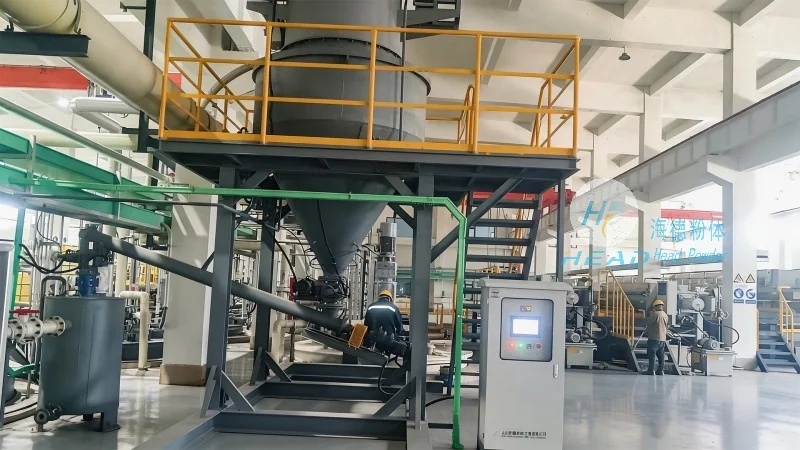
Advanced Control Systems: Integrated control panels allow for precise regulation of air pressure, flow rate, and conveying speed, ensuring optimal performance and material handling.
Durable and Corrosion-Resistant Materials: Components are made from high-quality materials such as stainless steel and special alloys, which resist corrosion and wear, extending the system's lifespan.
Modular Design: The systems are modular, allowing for easy installation, maintenance, and expansion. This flexibility makes them suitable for both new installations and retrofitting existing facilities.
Integrated Dust Collection: Many systems include integrated dust collection units to capture and filter powders, reducing environmental impact and improving workplace safety.
Conclusion: Choosing the Right Micropowder Conveying Solution
When selecting a micropowder conveying method, it is essential to consider the specific requirements of the application, including material properties, transport distance, and operational constraints. While traditional methods like gravity or screw conveyors may be suitable for some applications, pneumatic conveying offers superior flexibility, efficiency, and material integrity preservation. HeadPowder's pneumatic conveying solutions provide a reliable and advanced option for industries dealing with micropowders, ensuring high-quality transport and operational efficiency.

 Shandong Headpowder Engineering Co., Ltd.
 156-6277-7102(Quản lý Trương)
  0531-83386006
  Thành phố Tế Nam, Tỉnh Sơn Đông, Trung Quốc
Điện thoại
WeChatTư vấn
Lên đầu