Với hơn 10 năm kinh nghiệm về vận chuyển khí nén, Headpowder Sơn Đông cung cấp hệ thống, thiết bị và quạt gió toàn chuỗi, đảm nhận các dự án kỹ thuật bột trọn gói trên toàn quốc.
Graphene, a two-dimensional material with exceptional mechanical, electrical, and thermal properties, is widely used in various industries. However, the efficient and safe transport of graphene powder or flakes is crucial for industrial applications. This article explores the different methods available for graphene transport, highlighting the key considerations and the role of specialized companies like Shandong HeadPowder Engineering Co., Ltd. in providing tailored solutions.
Understanding Graphene Transport Requirements
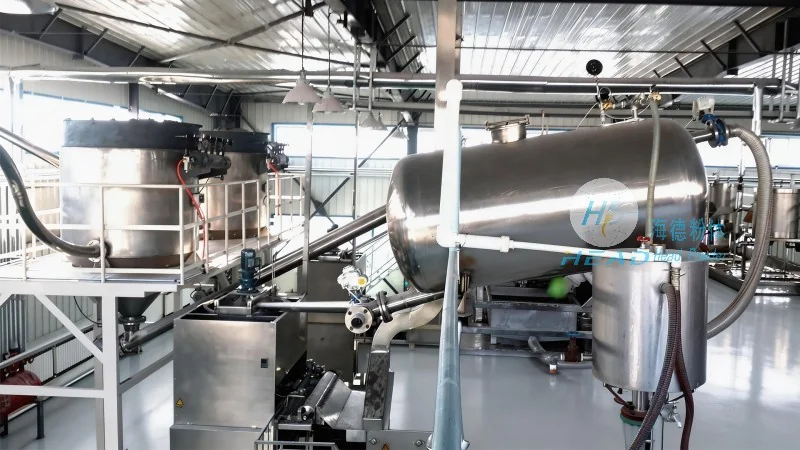
Before discussing specific transport methods, it's essential to understand the unique characteristics of graphene that influence its handling. Graphene is a lightweight, highly conductive material with a large surface area, which can lead to issues like agglomeration and static charge during transport. Therefore, the chosen method must address these challenges to ensure consistent performance and minimize material loss or degradation.
Common Graphene Transport Methods
Several methods are commonly employed for transporting graphene, each with its own advantages and limitations. The selection of a method depends on factors such as the particle size, moisture content, and the desired flow rate. Below are some of the most widely used approaches:
Vacuum Transport Systems
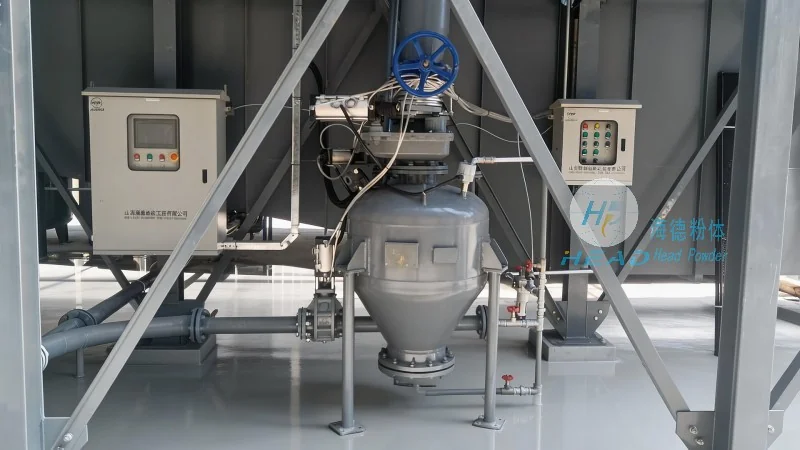
Vacuum transport systems are widely used for handling fine powders, including graphene. This method involves creating a vacuum in a sealed system to draw the material from a source to a destination. The vacuum helps to prevent dust contamination and ensures a controlled flow rate. Companies like Shandong HeadPowder Engineering Co., Ltd. specialize in designing and manufacturing custom vacuum transport systems that can handle the delicate nature of graphene, ensuring minimal particle damage and efficient material transfer.
Air-Pressure (Pneumatic) Conveying
Air-pressure or pneumatic conveying is another effective method for graphene transport. This technique uses compressed air to move the material through a pipeline. It is particularly suitable for long-distance transport and can handle both dry and slightly moist graphene powders. The key to successful pneumatic conveying is maintaining the right air velocity and pressure to prevent particle degradation and clogging. HeadPowder Engineering Co., Ltd. offers advanced pneumatic conveying solutions that optimize these parameters for optimal graphene transport efficiency.
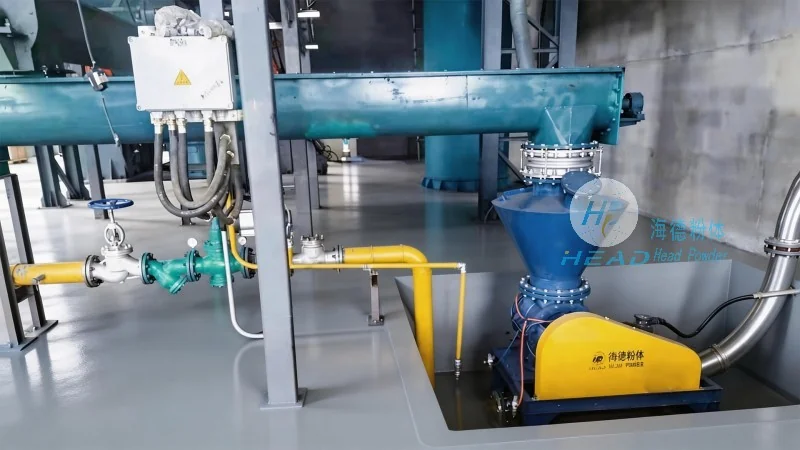
Mechanical Conveying Equipment
Mechanical conveying equipment, such as screw conveyors and belt conveyors, is also used for graphene transport. These systems rely on mechanical motion to move the material. Screw conveyors are ideal for handling bulk quantities of graphene and can be integrated into existing production lines. Belt conveyors, on the other hand, are suitable for transporting larger flakes or sheets of graphene. The choice of mechanical equipment depends on the form factor of the graphene product and the processing environment. Shandong HeadPowder Engineering Co., Ltd. provides customized mechanical conveying solutions that meet the specific needs of clients, ensuring smooth and reliable material movement.
Hybrid Transport Solutions
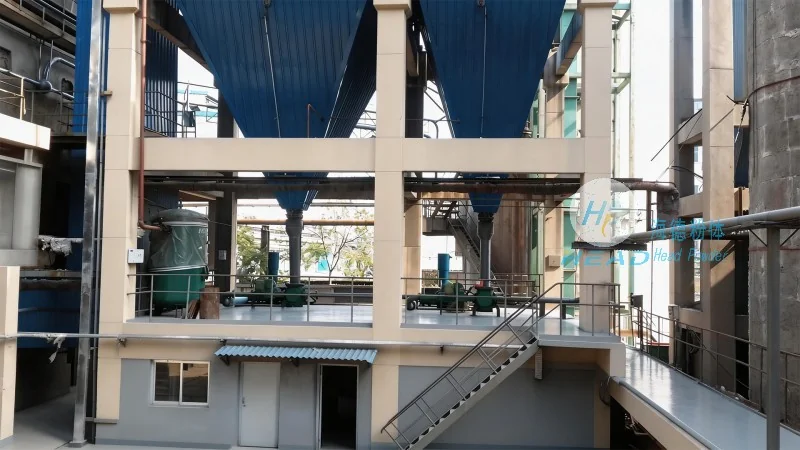
In some cases, a combination of the above methods may be used to achieve the best results. For example, a hybrid system might involve using a vacuum transport for initial material handling and then pneumatic conveying for long-distance transport. This approach allows for flexibility and adaptability to different production scenarios. HeadPowder Engineering Co., Ltd. specializes in developing hybrid transport solutions that integrate the strengths of multiple methods, providing clients with comprehensive and efficient graphene transport systems.
Key Considerations for Graphene Transport
When selecting a graphene transport method, several factors must be considered to ensure optimal performance. These include the material's particle size distribution, moisture content, and potential for static charge. Additionally, the system must be designed to minimize contamination and prevent material degradation. Companies like Shandong HeadPowder Engineering Co., Ltd. conduct thorough assessments of client requirements to recommend the most suitable transport method, ensuring that the final solution meets all operational and quality standards.
Conclusion
Graphene transport is a critical aspect of industrial applications, and the choice of method significantly impacts the efficiency and quality of the final product. From vacuum and pneumatic conveying to mechanical systems and hybrid solutions, there are various options available. By leveraging the expertise of specialized companies like Shandong HeadPowder Engineering Co., Ltd., industries can ensure the safe and efficient transport of graphene, unlocking its full potential in various applications. With a focus on tailored solutions and adherence to industry standards, HeadPowder Engineering Co., Ltd. plays a vital role in supporting the graphene supply chain and enabling the widespread adoption of this revolutionary material.

 Shandong Headpowder Engineering Co., Ltd.
 156-6277-7102(Quản lý Trương)
  0531-83386006
  Thành phố Tế Nam, Tỉnh Sơn Đông, Trung Quốc
Điện thoại
WeChatTư vấn
Lên đầu