Với hơn 10 năm kinh nghiệm về vận chuyển khí nén, Headpowder Sơn Đông cung cấp hệ thống, thiết bị và quạt gió toàn chuỗi, đảm nhận các dự án kỹ thuật bột trọn gói trên toàn quốc.
For industries dealing with inorganic salt crystals, the selection of an appropriate transport method is crucial for ensuring operational efficiency, product quality, and safety. The choice of transport method directly impacts production line performance, energy consumption, and the overall cost-effectiveness of the process. This article provides a detailed comparison of common inorganic salt crystal transport methods, highlighting their advantages and disadvantages to assist in informed decision-making.
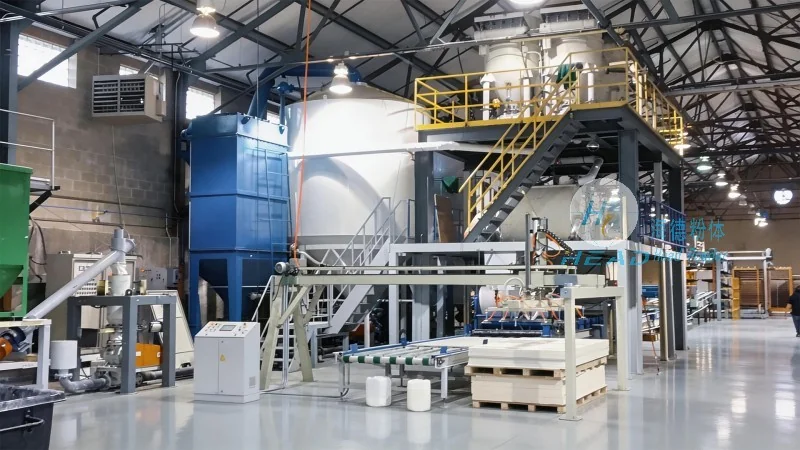
Gravity Conveying: A Simple and Low-Cost Option
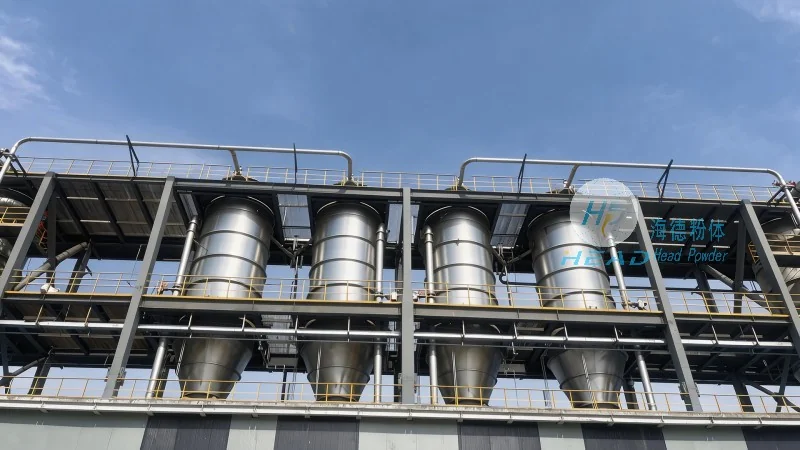
Gravity conveying, also known as chute or slide conveying, relies on the natural force of gravity to move materials from a higher elevation to a lower one. This method is particularly suitable for transporting inorganic salt crystals with a relatively high bulk density and a relatively free-flowing nature. The primary advantage of gravity conveying is its simplicity and low cost, as it requires minimal equipment and maintenance. The system typically consists of a sloped chute or trough, which allows the crystals to flow down under gravity. This method is ideal for short-distance transport and when the material is free-flowing, as it minimizes the risk of clogging and reduces energy consumption. However, gravity conveying has significant limitations. It is only effective for materials that can flow freely and is restricted by the need for a sufficient vertical drop or horizontal slope. For materials with poor flow characteristics or for longer distances, gravity conveying is often insufficient. Additionally, the method may not be suitable for materials that are prone to segregation or for applications requiring precise control over the flow rate. The lack of mechanical components also means that it cannot handle materials with high moisture content or those that are sticky, as these can cause blockages and reduce efficiency.
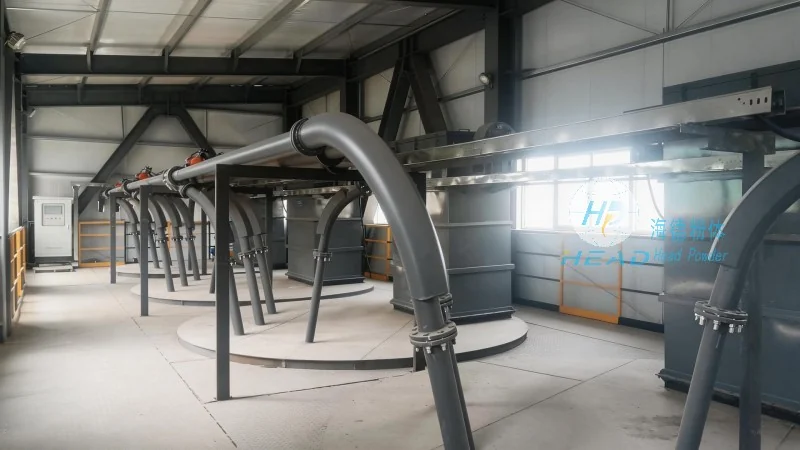
Mechanical Conveying: Versatile and Controllable Solutions
Mechanical conveying systems use mechanical components to move inorganic salt crystals. These systems are more versatile and can handle a wider range of materials compared to gravity conveying. The most common types of mechanical conveyors used for inorganic salt crystals include screw conveyors, belt conveyors, and bucket elevators. Screw conveyors, also known as auger conveyors, use a rotating screw to push materials forward. They are particularly effective for handling free-flowing materials and can be used for both horizontal and inclined transport. The main advantage of screw conveyors is their ability to handle a variety of materials, including those with high moisture content or those that are sticky. They are also relatively simple to install and maintain. However, screw conveyors have some drawbacks. They can cause material degradation due to the friction between the screw and the material, and they may not be suitable for materials that are abrasive or that can cause excessive wear on the conveyor components. Belt conveyors use a continuous belt to transport materials. They are ideal for long-distance transport and can handle a wide range of materials, including those with high bulk density. The main advantage of belt conveyors is their high capacity and ability to transport materials over long distances. They are also relatively low maintenance and can be easily integrated into existing production lines. However, belt conveyors require more space and energy compared to other methods. They are also prone to material spillage and may not be suitable for materials that are prone to segregation or that can cause the belt to slip. Bucket elevators use a series of buckets attached to a chain or belt to lift materials vertically. They are particularly effective for vertical transport and can handle materials with high bulk density. The main advantage of bucket elevators is their ability to transport materials vertically over long distances with minimal energy consumption. They are also relatively low maintenance and can handle materials with high moisture content or those that are sticky. However, bucket elevators have some limitations. They require more space and are more complex to install compared to other methods. They are also prone to material spillage and may not be suitable for materials that are prone to segregation or that can cause the buckets to wear out quickly.

 Shandong Headpowder Engineering Co., Ltd.
 156-6277-7102(Quản lý Trương)
  0531-83386006
  Thành phố Tế Nam, Tỉnh Sơn Đông, Trung Quốc
Điện thoại
WeChatTư vấn
Lên đầu