Với hơn 10 năm kinh nghiệm về vận chuyển khí nén, Headpowder Sơn Đông cung cấp hệ thống, thiết bị và quạt gió toàn chuỗi, đảm nhận các dự án kỹ thuật bột trọn gói trên toàn quốc.
Efficient and reliable conveying systems are essential for handling sesame seeds, a small yet valuable oilseed, throughout the processing workflow. Maintaining product quality and operational efficiency requires specialized equipment to transport sesame from storage to processing stages. Various conveying methods exist, each with distinct advantages and limitations. This article examines different approaches to sesame seed conveying, with a focus on the benefits and characteristics of pneumatic conveying systems.
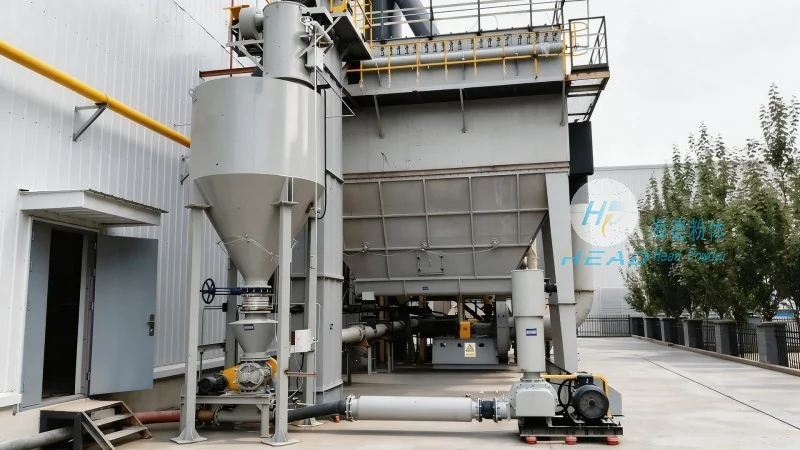
Understanding Sesame Conveying Methods
Sesame seeds are commonly conveyed using mechanical or pneumatic systems, depending on production scale and processing requirements. Mechanical methods like belt conveyors and screw conveyors are widely used for bulk material handling. However, these systems may introduce friction and contamination risks that could compromise product quality. In contrast, pneumatic conveying offers a more hygienic and flexible solution for transporting sesame seeds.
Pneumatic Conveying: The Preferred Solution for Sesame Handling
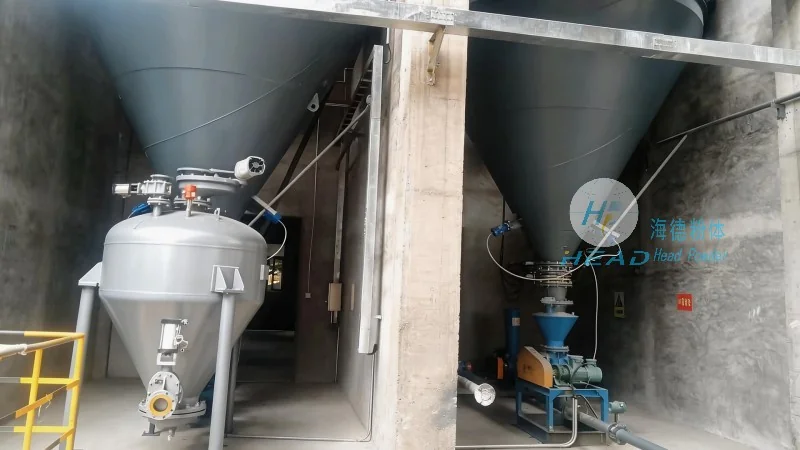
Pneumatic conveying, or air conveying, uses compressed air to move sesame seeds through a pipeline system. This method is particularly suitable for sesame due to its ability to handle fine particles and prevent product degradation. A key advantage is the closed system design, which minimizes exposure to contaminants and ensures product purity. Additionally, pneumatic systems can operate at low or high pressure, providing flexibility in conveying distances and material characteristics.
Key Advantages of Pneumatic Conveying for Sesame Seeds
One significant benefit of pneumatic conveying for sesame is gentle product handling. Unlike mechanical systems that may cause abrasion or breakage, pneumatic systems use air flow to move seeds smoothly, preserving their integrity and reducing damage risk. This is critical for sesame used in food applications where quality is paramount. Furthermore, pneumatic systems are highly adaptable, allowing easy integration into existing processing lines and conveying over long distances without multiple transfer points.
Features and Technical Specifications of Pneumatic Conveying Systems
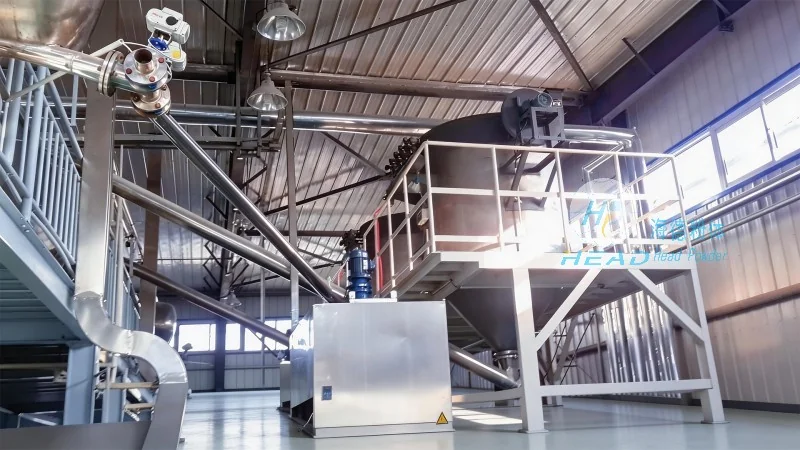
The effectiveness of a pneumatic conveying system for sesame depends on key features like air pump type, pipeline design, and material construction. For sesame, systems typically use positive displacement blowers or rotary lobe pumps for consistent air pressure and flow. Pipelines are often made of stainless steel or food-grade plastic to ensure durability and hygiene compliance. In-line filters and cyclone separators are commonly included to maintain air quality and prevent clogging, ensuring continuous operation.
Applications of Pneumatic Conveying in Sesame Processing
Pneumatic conveying is widely used across sesame processing stages, from raw material intake to final packaging. In the intake area, pneumatic systems efficiently move sesame from storage silos or bulk containers into processing equipment. During processing (e.g., roasting, grinding), pneumatic systems transport seeds to and from machines, ensuring seamless material flow. Finally, in packaging, pneumatic systems transfer finished products into packaging lines, maintaining integrity and preventing contamination.
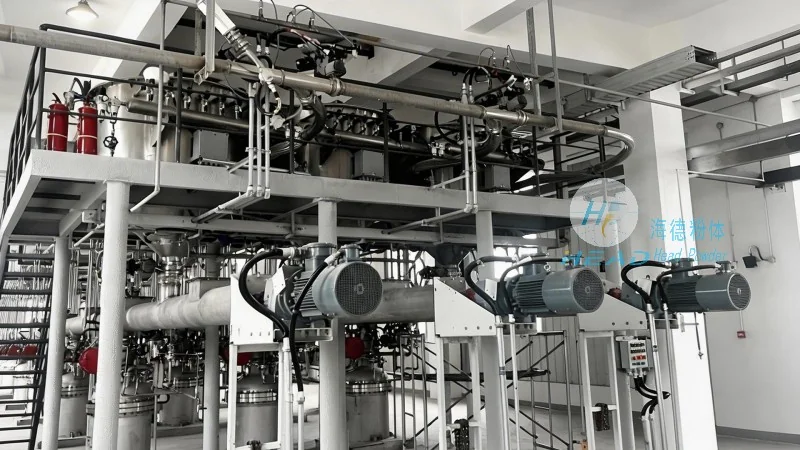
Conclusion: Choosing the Right Conveying System for Sesame
When selecting a conveying system for sesame seeds, factors like product quality, operational efficiency, and cost-effectiveness must be considered. While mechanical systems may suit small-scale operations, pneumatic conveying offers superior advantages for larger facilities. The gentle handling, hygienic design, and flexibility of pneumatic systems make them the preferred choice for many sesame processing companies. By investing in a well-designed pneumatic conveying system, manufacturers can enhance product quality, reduce downtime, and improve overall operational performance.

 Shandong Headpowder Engineering Co., Ltd.
 156-6277-7102(Quản lý Trương)
  0531-83386006
  Thành phố Tế Nam, Tỉnh Sơn Đông, Trung Quốc
Điện thoại
WeChatTư vấn
Lên đầu