Với hơn 10 năm kinh nghiệm về vận chuyển khí nén, Headpowder Sơn Đông cung cấp hệ thống, thiết bị và quạt gió toàn chuỗi, đảm nhận các dự án kỹ thuật bột trọn gói trên toàn quốc.
When it comes to handling PVC resin powder in industrial applications, selecting the right conveying method is crucial for efficiency, safety, and cost-effectiveness. Various techniques are employed to transport these fine powders from storage to processing equipment. This article provides a detailed comparison of common PVC resin powder conveying methods, highlighting their advantages and disadvantages to help industrial operators make informed decisions.
Overview of PVC Resin Powder Conveying
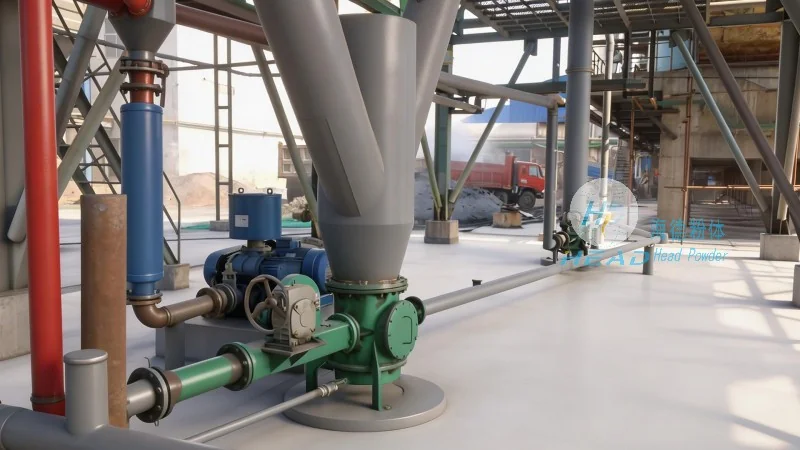
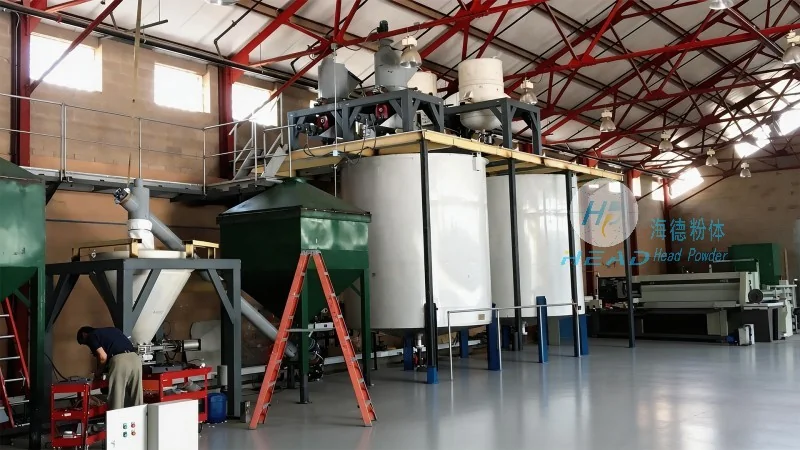
PVC resin powder, a key raw material in the manufacturing of PVC products, requires specialized handling due to its fine particle size and potential for dust generation. Conveying systems must ensure minimal product degradation, prevent contamination, and maintain operational safety. The choice of conveying method depends on factors such as material properties, plant layout, and production scale. Below, we explore several widely used methods and evaluate their pros and cons.
Pneumatic Conveying: Advantages and Challenges
Pneumatic conveying uses air or other gases to transport PVC resin powder through a pipeline system. This method is highly effective for long-distance and high-volume transport. One of the primary advantages is its ability to handle fine powders without the need for mechanical components that could cause wear or contamination. Additionally, pneumatic systems can be integrated with dust collection and filtration, enhancing safety and environmental compliance. However, pneumatic conveying has its drawbacks. It requires significant energy input to generate the necessary air pressure, leading to higher operational costs. Moreover, the system is susceptible to clogging if the powder is overly fine or has high moisture content, which can disrupt production. The maintenance of air filters and pipeline cleaning is also an ongoing concern.
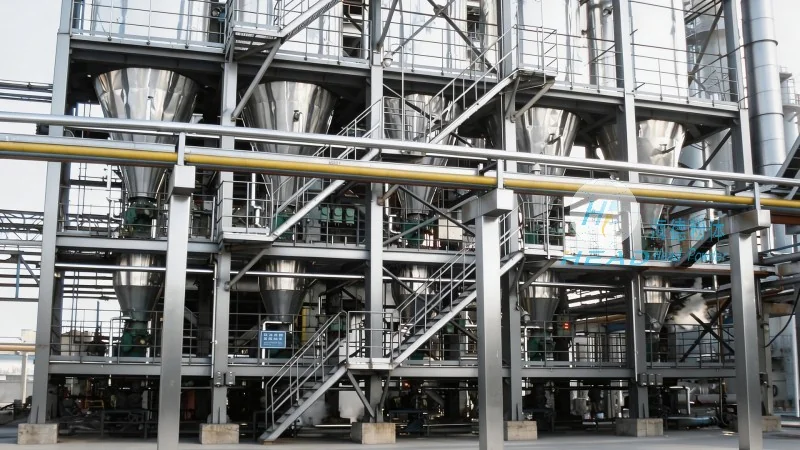
Screw Conveying: Mechanical Efficiency and Limitations
Screw conveying employs a rotating screw within a tube to move PVC resin powder. This method is well-suited for horizontal or slightly inclined transport over shorter distances. A key advantage is its low energy consumption compared to pneumatic systems, as it relies on mechanical power rather than air pressure. Screw conveyors are also relatively simple in design, making them easy to install and maintain. However, they have limitations when dealing with very fine or cohesive powders. The screw and tube can experience wear over time, especially with abrasive materials, leading to increased maintenance costs. Additionally, screw conveyors are not ideal for vertical transport due to the risk of material bridging or clogging in the vertical section. The risk of product contamination is also higher with screw conveyors, as the mechanical parts come into direct contact with the powder.
Belt Conveying: High Capacity and Space Requirements
Belt conveying uses a continuous belt to transport PVC resin powder, often in conjunction with hoppers or feeders. This method is suitable for high-volume, bulk material transport over longer horizontal distances. The main advantage is its ability to handle large quantities of material with minimal energy input. Belt conveyors are also relatively low-maintenance once installed, as they have fewer moving parts compared to other systems. However, belt conveying has significant drawbacks. The system requires substantial floor space, which can be a constraint in compact industrial settings. Additionally, the risk of material spillage and dust generation is higher, necessitating robust dust control measures. The belt itself can be prone to wear and tear, especially with abrasive PVC resin powders, leading to higher replacement costs. Furthermore, belt conveyors are not suitable for vertical transport or for materials with high moisture content, as the belt may slip or the material may stick to it.
Comparison and Selection Criteria
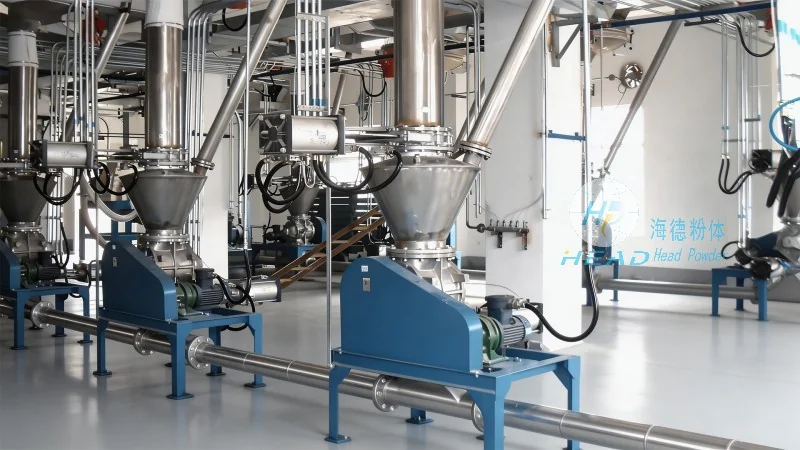
When selecting a PVC resin powder conveying method, several factors must be considered. The choice should align with the specific characteristics of the material, such as particle size, moisture content, and abrasiveness. The scale of the operation, including production volume and plant layout, also plays a critical role. Energy efficiency and operational costs are key considerations for long-term sustainability. Maintenance requirements and the risk of product contamination are also important factors. For example, pneumatic conveying may be preferred for fine powders and long-distance transport, while screw or belt conveyors might be more suitable for bulk handling over shorter distances. Ultimately, the optimal method depends on a balance of these factors to ensure efficient, safe, and cost-effective operation.

 Shandong Headpowder Engineering Co., Ltd.
 156-6277-7102(Quản lý Trương)
  0531-83386006
  Thành phố Tế Nam, Tỉnh Sơn Đông, Trung Quốc
Điện thoại
WeChatTư vấn
Lên đầu