Với hơn 10 năm kinh nghiệm về vận chuyển khí nén, Headpowder Sơn Đông cung cấp hệ thống, thiết bị và quạt gió toàn chuỗi, đảm nhận các dự án kỹ thuật bột trọn gói trên toàn quốc.
When it comes to transporting bentonite, a versatile clay used in various industrial applications, selecting the right conveying method is crucial for efficiency, cost-effectiveness, and operational safety. Bentonite, known for its unique properties such as high swelling capacity and excellent thixotropy, requires specialized handling to maintain its quality and prevent degradation during transport. This article explores common bentonite conveying methods, with a focus on the advantages and practical applications of pneumatic conveying, a popular choice for many industries.
Understanding Bentonite and Its Transport Requirements
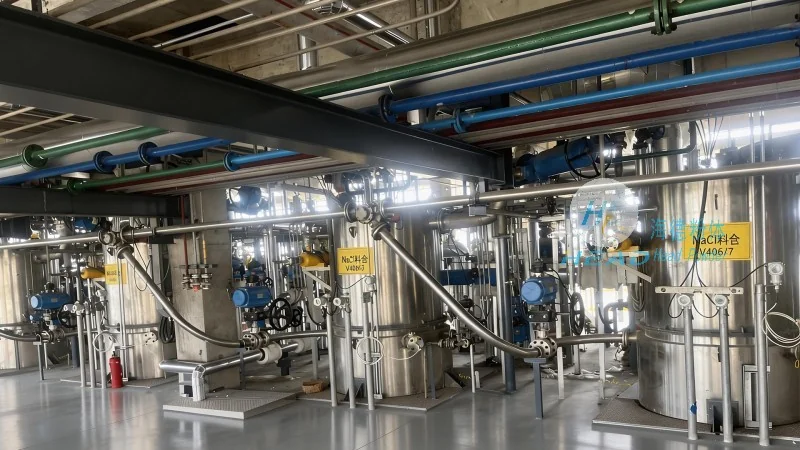
Bentonite is a natural clay composed primarily of montmorillonite, which gives it the ability to absorb water and expand significantly. This characteristic makes it ideal for applications like drilling mud, foundry sand, and as a thickening agent in various products. However, its hygroscopic nature and tendency to clump or agglomerate mean that conventional bulk material handling methods may not be suitable. Proper conveying must preserve the bentonite's particle size distribution and prevent moisture loss or contamination. This is where specialized systems, particularly pneumatic conveying, come into play.
Common Bentonite Conveying Methods
Several methods are employed for bentonite transport, each with its own advantages and limitations. The primary options include mechanical conveying (like belt conveyors and screw conveyors), hydraulic systems, and pneumatic conveying. Mechanical systems are often used for short-distance, low-volume transport but may struggle with the abrasive and sticky nature of bentonite, leading to equipment wear and blockages. Hydraulic systems, while effective for certain applications, require significant maintenance and are less flexible in terms of route changes. Pneumatic conveying, on the other hand, offers a more flexible and efficient solution, especially for longer distances and varying volumes.
Pneumatic Conveying: The Preferred Method for Bentonite Transport
Pneumatic conveying uses air or other gases to transport bulk materials through a pipeline. For bentonite, this method is particularly effective due to its ability to handle fine powders and maintain material integrity. There are two main types of pneumatic conveying systems: dilute-phase and dense-phase. Dilute-phase systems use high air velocities to keep the material suspended in the air stream, making them suitable for short to medium distances. Dense-phase systems, which use lower air velocities and higher material concentrations, are ideal for longer distances and more sensitive materials, ensuring minimal degradation and better control over the material's properties.
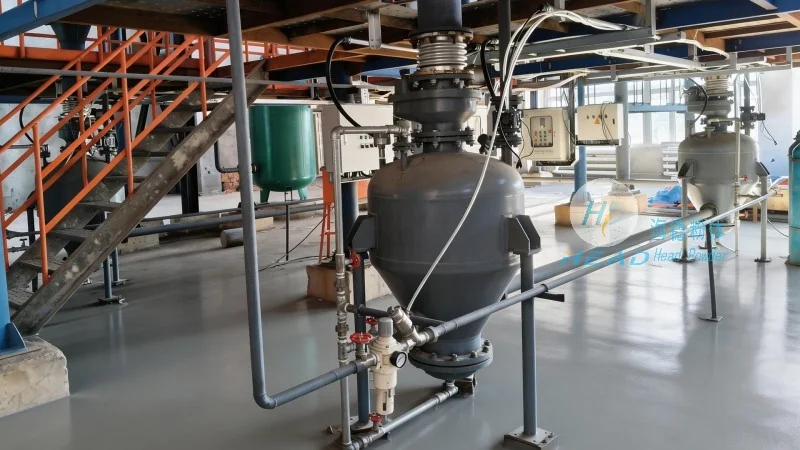
Key Components of Bentonite Pneumatic Conveying Systems
A typical bentonite pneumatic conveying system consists of several key components designed to ensure efficient and reliable transport. These include a hopper or feeder to control the material flow, a blower or compressor to generate the air pressure, a pipeline network to transport the material, and a receiver or silo to collect the material at the destination. The hopper is often equipped with a rotary valve or feeder to prevent material bridging and ensure a consistent flow. The blower or compressor must be capable of providing sufficient pressure to overcome pipeline resistance and maintain material suspension. The pipeline design, including the use of bends, elbows, and filters, is critical to minimize pressure loss and prevent material buildup. Finally, the receiver is designed to separate the material from the air stream and store it in a controlled environment, preventing moisture absorption and contamination.
Advantages of Using Pneumatic Conveying for Bentonite
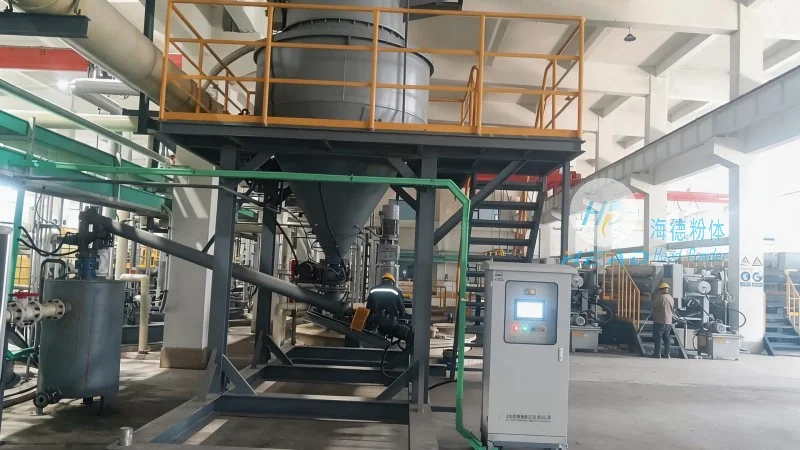
There are several advantages to using pneumatic conveying for bentonite transport. First, it offers high flexibility, allowing for changes in the conveying route without major modifications to the system. This is particularly beneficial in industrial settings where space is limited or where the production process requires frequent adjustments. Second, pneumatic systems can handle both dry and wet bentonite, making them versatile for various applications. Third, they provide better control over the material's properties, such as moisture content and particle size, which is crucial for maintaining product quality. Fourth, these systems are generally more hygienic and easier to clean compared to mechanical systems, which is important in food and pharmaceutical industries where bentonite is used as an additive.
Considerations for Implementing Bentonite Pneumatic Conveying
While pneumatic conveying offers many benefits, there are several factors to consider when implementing such a system for bentonite transport. First, the system must be designed to handle the specific properties of bentonite, including its high moisture absorption and tendency to clump. This may require specialized hopper designs or additional equipment like desiccants to maintain material quality. Second, the air flow rate and pressure must be carefully controlled to prevent material degradation or blockages. Third, the system's maintenance requirements should be considered, as components like filters and blowers may need regular cleaning or replacement. Finally, the cost of the system, including initial investment and operational expenses, should be evaluated against the benefits of improved efficiency and product quality.
Conclusion: Choosing the Right Bentonite Conveying Method
In conclusion, selecting the appropriate bentonite conveying method is essential for optimizing industrial processes and maintaining product quality. While mechanical and hydraulic systems have their uses, pneumatic conveying stands out as a versatile and efficient solution, especially for longer distances and varying material volumes. By understanding the key components and advantages of pneumatic systems, as well as the considerations for implementation, industries can make informed decisions to enhance their bentonite transport operations. As a leading provider of bentonite processing solutions, Shandong HeadPowder Engineering Co., Ltd. specializes in designing and manufacturing customized pneumatic conveying systems tailored to the specific needs of bentonite users, ensuring reliable and efficient transport from source to destination.

 Shandong Headpowder Engineering Co., Ltd.
 156-6277-7102(Quản lý Trương)
  0531-83386006
  Thành phố Tế Nam, Tỉnh Sơn Đông, Trung Quốc
Điện thoại
WeChatTư vấn
Lên đầu