Với hơn 10 năm kinh nghiệm về vận chuyển khí nén, Headpowder Sơn Đông cung cấp hệ thống, thiết bị và quạt gió toàn chuỗi, đảm nhận các dự án kỹ thuật bột trọn gói trên toàn quốc.
When it comes to material handling in construction and mining industries, efficient aggregate conveying is crucial for smooth operations. The choice of conveying method significantly impacts productivity, cost, and safety. This article provides a detailed comparison of common aggregate conveying methods, highlighting their advantages and disadvantages to help businesses make informed decisions.
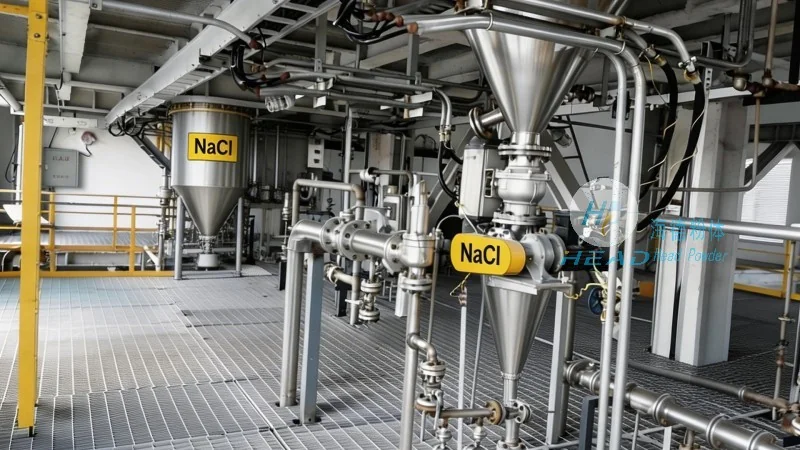
Introduction to Aggregate Conveying Methods
Aggregate, such as gravel, sand, and crushed stone, is a fundamental component in construction projects. Transporting these materials from storage to processing or construction sites requires reliable and efficient systems. Various methods are available, each with unique characteristics that suit different operational needs. Understanding the pros and cons of each method is essential for optimizing workflow and reducing operational costs.
1. Belt Conveyor Systems: The Workhorse of Material Handling
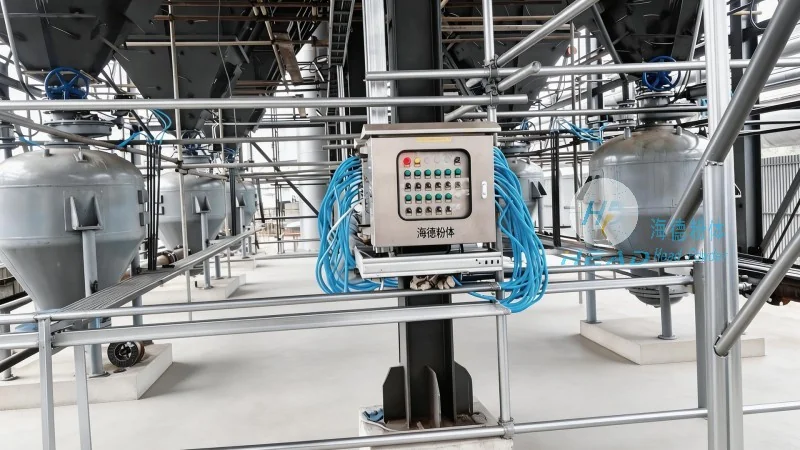
Belt conveyors are one of the most widely used methods for transporting aggregates. They consist of a continuous belt that moves material from one point to another. The primary advantage of belt conveyors is their high capacity and ability to cover long distances without frequent stops. They are also relatively low in maintenance compared to other systems, making them cost-effective for large-scale operations. However, belt conveyors have limitations, such as their susceptibility to damage from heavy loads or sharp materials, which can lead to downtime and repairs. Additionally, they require significant space for installation and may not be suitable for vertical lifting applications.
2. Bucket Elevators: Vertical Material Transport Solutions
Bucket elevators are designed specifically for vertical transport of aggregates. They use a series of buckets attached to a belt or chain that moves material upward. The main advantage of bucket elevators is their ability to lift materials to great heights with minimal space requirements. They are ideal for applications where vertical movement is necessary, such as in processing plants or high-rise construction sites. However, bucket elevators have lower capacity compared to belt and bucket elevators and may experience wear and tear on the buckets and chains over time. Regular maintenance is required to ensure smooth operation and prevent breakdowns.
3. Screw Conveyors: Compact and Versatile Transport
Screw conveyors, also known as auger conveyors, use a rotating screw to move material through a tube. They are compact and can be installed in tight spaces, making them suitable for confined areas. The primary advantage of screw conveyors is their ability to handle a wide range of materials, including wet or sticky aggregates. They are also relatively simple in design, which reduces maintenance costs. However, screw conveyors have lower capacity compared to belt and bucket elevators and may not be suitable for large quantities of material. They are also prone to clogging if the material is too wet or contains large debris.
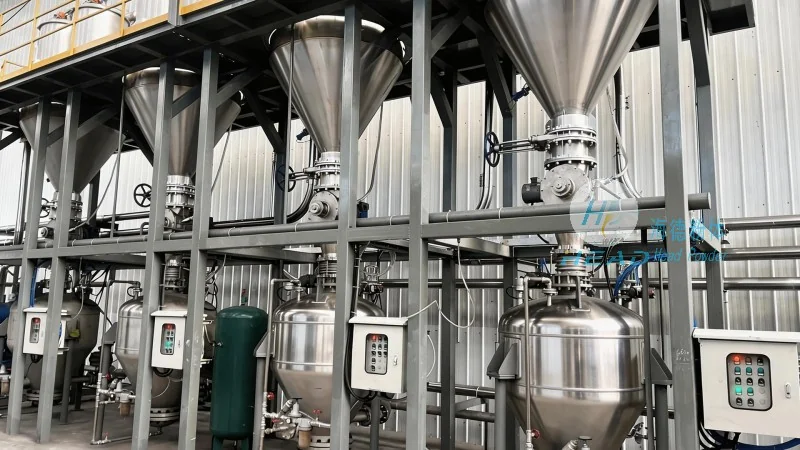
4. Pneumatic Conveying Systems: Flexible and Clean Transport
Pneumatic conveying systems use air pressure to transport aggregates through a pipeline. They are ideal for applications where dust control is a priority, as the material is contained within the pipeline. The main advantage of pneumatic conveyors is their flexibility, as they can be installed in various configurations and can transport material over long distances. They are also suitable for handling fine materials that might be difficult to move with other systems. However, pneumatic conveying systems require high air pressure and can be expensive to install and maintain. They may also have lower capacity compared to mechanical systems and are not suitable for heavy or abrasive materials.
HeadPowder's Expertise in Aggregate Conveying Solutions
Shandong HeadPowder Engineering Co., Ltd., a leading manufacturer in the material handling industry, specializes in providing high-quality aggregate conveying systems tailored to the specific needs of clients. With years of experience and a commitment to innovation, HeadPowder offers a range of products, including belt conveyors, bucket elevators, and screw conveyors, designed to optimize material transport efficiency. The company's products are engineered with durability and reliability in mind, ensuring long-term performance and minimal downtime. HeadPowder's team of experts works closely with clients to understand their operational requirements and provides customized solutions that meet their unique needs. Whether it's a new installation or an upgrade to an existing system, HeadPowder delivers solutions that enhance productivity and reduce costs.

 Shandong Headpowder Engineering Co., Ltd.
 156-6277-7102(Quản lý Trương)
  0531-83386006
  Thành phố Tế Nam, Tỉnh Sơn Đông, Trung Quốc
Điện thoại
WeChatTư vấn
Lên đầu