Với hơn 10 năm kinh nghiệm về vận chuyển khí nén, Headpowder Sơn Đông cung cấp hệ thống, thiết bị và quạt gió toàn chuỗi, đảm nhận các dự án kỹ thuật bột trọn gói trên toàn quốc.
As a leading enterprise in the field of soybean processing and transportation, Shandong HeadPowder Engineering Co., Ltd. specializes in providing efficient and reliable solutions for the movement of soybeans. With a focus on practical applications and technical expertise, the company offers various methods tailored to different operational needs. This article explores the primary approaches used for soybean transport, highlighting their characteristics and suitability for various scenarios.
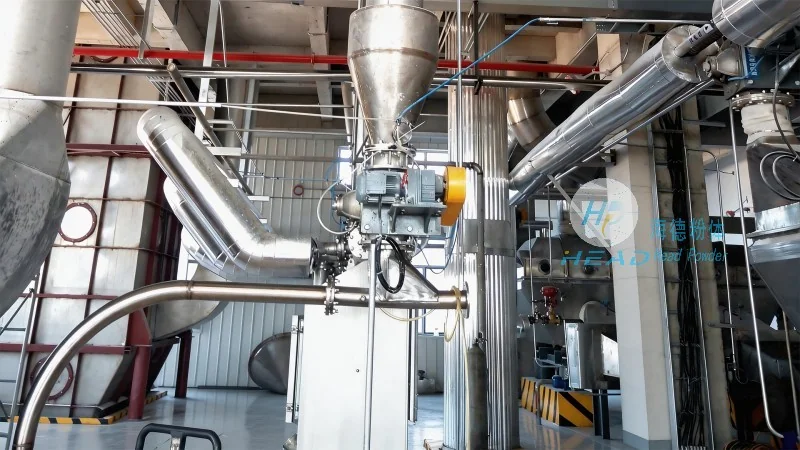
1. Bulk Truck Transportation
Bulk truck transportation is a common and widely used method for moving large quantities of soybeans. This approach involves loading soybeans into specialized trucks equipped with bulk containers or trailers. The trucks are designed to handle substantial loads, ensuring that the product remains intact and free from damage during transit. The process typically begins with the loading of soybeans at the source, such as a farm or processing plant, and continues to the destination, which may be a storage facility, processing facility, or distribution center. The efficiency of bulk truck transport lies in its ability to handle high volumes quickly, making it ideal for businesses that require regular and large-scale movement of soybeans. The trucks used for this purpose are often equipped with features like air suspension and reinforced frames to ensure stability and safety during long-distance travel. Additionally, the use of temperature-controlled trucks is common in regions where temperature regulation is necessary to preserve the quality of the soybeans, especially if they are intended for food or oil production. This method is particularly advantageous for companies operating in areas with well-developed road networks, as it allows for flexible and timely delivery of goods. The cost-effectiveness of bulk truck transport also makes it a preferred choice for many businesses, as it reduces the need for additional handling and storage at intermediate points.
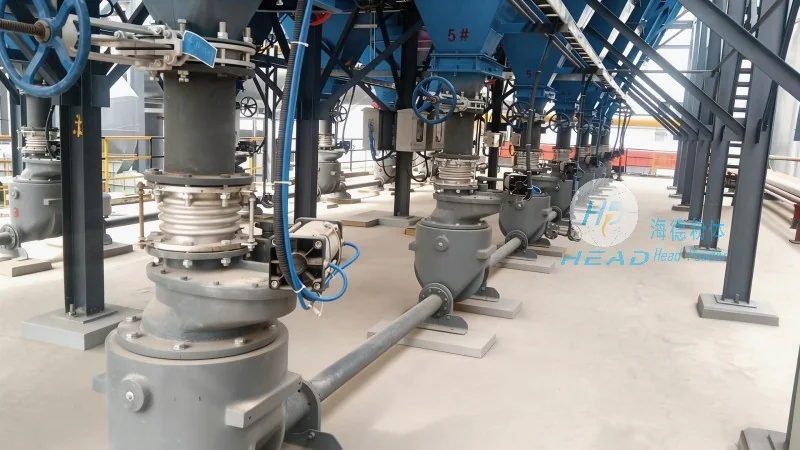
2. Railway Car Transportation
Another significant method for soybean transport is through railway cars. This approach is particularly beneficial for long-distance movements, especially when transporting large volumes over considerable distances. Railway transportation offers several advantages, including lower transportation costs per unit compared to road transport, especially over long distances. The process involves loading soybeans into specialized railcars, which are designed to carry bulk commodities. These railcars are often equipped with features such as sloped sides or hoppers to facilitate the unloading of the product at the destination. The use of rail transport can significantly reduce the carbon footprint associated with transportation, as it is generally more energy-efficient than trucking. This method is especially suitable for companies that operate in regions with extensive railway networks and have a need to move soybeans from one part of the country to another. The reliability of railway schedules also ensures that the cargo reaches its destination on time, minimizing delays and disruptions. However, the drawback of this method is the longer transit time compared to truck transport, as it involves multiple stops and transfers. Additionally, the infrastructure required for rail transport, such as tracks and loading facilities, may not be available in all areas, limiting its accessibility. Despite these limitations, railway car transportation remains a viable option for many businesses, particularly those dealing with large-scale, long-distance movements of soybeans.
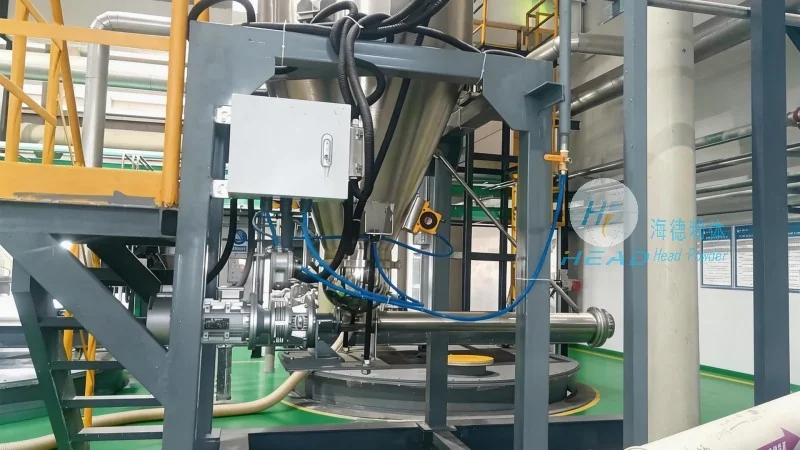
3. Barge and Waterway Transportation
Barge and waterway transportation is another method used for moving soybeans, especially in regions with extensive river systems or coastal areas. This approach involves loading soybeans into barges, which are then transported along rivers, canals, or coastal waterways. The use of waterway transport is advantageous for companies located near water bodies, as it allows for the efficient movement of large quantities of soybeans without the need for extensive road infrastructure. The process typically involves loading the soybeans into the barges at a port or terminal, and then navigating them to the destination. The cost of this method is generally lower compared to road or rail transport, especially for long-distance movements. The environmental benefits of waterway transport are also significant, as it produces fewer emissions per ton-mile compared to other modes of transport. This method is particularly suitable for businesses that operate in areas with well-developed waterway networks and have a need to move soybeans to coastal ports for export or to inland destinations via rivers. The use of specialized barges, such as hopper barges, ensures that the soybeans are transported safely and efficiently. However, the limitation of this method is the dependence on water levels and weather conditions, which can affect the schedule and reliability of the transport. Additionally, the infrastructure required for waterway transport, such as locks and dams, may not be available in all regions, limiting its accessibility. Despite these challenges, barge and waterway transportation remains a practical and cost-effective option for many businesses, especially those dealing with bulk shipments of soybeans.
4. Containerized Sea Transportation
For international trade and long-distance movements, containerized sea transportation is a common method for soybean transport. This approach involves loading soybeans into standard shipping containers, which are then transported on cargo ships. The use of containerized transport offers several advantages, including the ability to combine different modes of transport, such as trucking to the port, sea transport, and then trucking to the final destination. This flexibility allows businesses to optimize their supply chain and reduce costs. The containers used for soybean transport are typically insulated to maintain the quality of the product, especially if it is intended for food or oil production. The process involves loading the soybeans into the containers at the source, sealing them, and then transporting them to the port. From the port, the containers are loaded onto cargo ships and transported to the destination port. At the destination, the containers are unloaded and transported to the final destination by truck or rail. The cost of this method is generally higher compared to other modes of transport, but it is often justified by the ability to move large volumes over long distances efficiently. The reliability of sea transport is also high, as it is less affected by weather conditions compared to road or rail transport. However, the transit time is longer compared to other methods, which may affect the supply chain. Additionally, the need for customs clearance and other regulatory requirements can add complexity to the process. Despite these factors, containerized sea transportation remains a popular choice for businesses engaged in international trade, as it allows for the efficient movement of soybeans across borders.

 Shandong Headpowder Engineering Co., Ltd.
 156-6277-7102(Quản lý Trương)
  0531-83386006
  Thành phố Tế Nam, Tỉnh Sơn Đông, Trung Quốc
Điện thoại
WeChatTư vấn
Lên đầu