Với hơn 10 năm kinh nghiệm về vận chuyển khí nén, Headpowder Sơn Đông cung cấp hệ thống, thiết bị và quạt gió toàn chuỗi, đảm nhận các dự án kỹ thuật bột trọn gói trên toàn quốc.
When it comes to the efficient handling and transportation of silica fume, selecting the right method is crucial for maintaining product quality and operational efficiency. Silica fume, also known as microsilica, is a byproduct of silicon metal or ferrosilicon production, and its proper transport is essential for various industrial applications, including concrete enhancement, refractory materials, and chemical processes. The choice of transportation method depends on factors such as the quantity of silica fume, the distance to be covered, the required speed of delivery, and the environmental considerations at the site.
Overview of Silica Fume Transportation Options
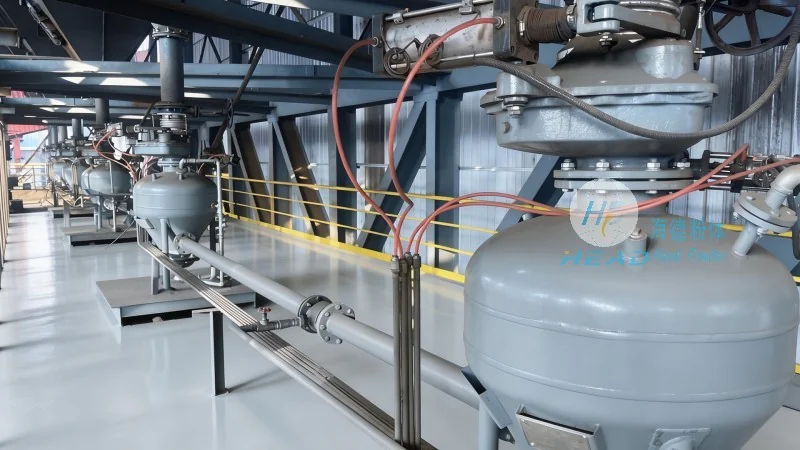
Silica fume transportation can be broadly categorized into several methods, each with its own advantages and suitable applications. The primary options include pipeline transport, pneumatic (air) transport, and mechanical transport. Each method has distinct characteristics that make it suitable for different scenarios, from large-scale industrial operations to smaller, localized projects.
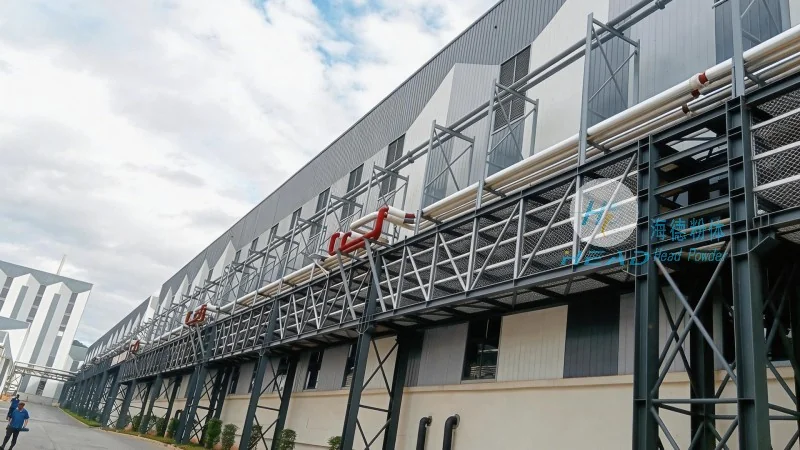
Pipeline Transport for Silica Fume
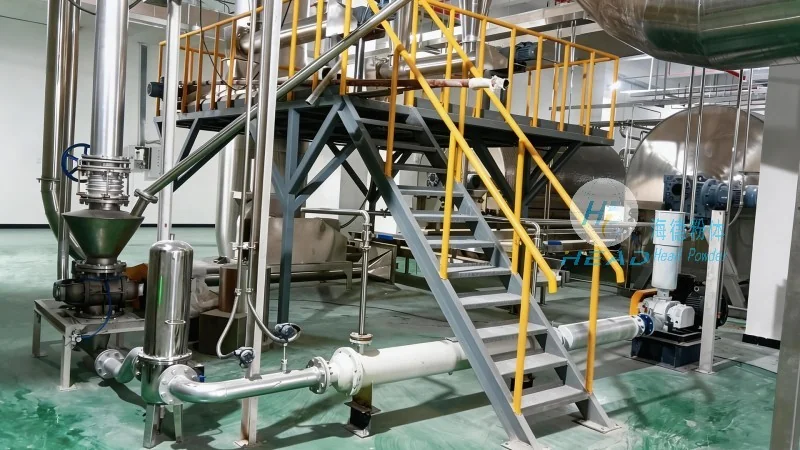
Pipeline transport is a common and effective method for moving large volumes of silica fume over long distances. This method involves the use of closed pipelines, typically made of stainless steel or other corrosion-resistant materials, to convey the material from the source to the destination. The pipeline system includes components such as pumps, valves, and filters to ensure smooth and continuous flow. One of the key advantages of pipeline transport is its ability to maintain the integrity of the silica fume, preventing contamination and dust exposure. This method is particularly suitable for continuous production lines where a steady supply of silica fume is required. The system can be designed to handle high-pressure or low-pressure scenarios, depending on the distance and the required flow rate. For instance, in industrial plants, a pipeline network can be integrated with the existing infrastructure to transport silica fume directly to mixing stations or storage silos. The use of stainless steel pipelines ensures durability and resistance to the chemical properties of silica fume, which can be corrosive under certain conditions. Additionally, the closed system minimizes environmental impact by preventing dust emissions and reducing the risk of accidental spills. This method is often preferred in large-scale manufacturing facilities where the volume of silica fume is high and the need for consistent delivery is critical.

 Shandong Headpowder Engineering Co., Ltd.
 156-6277-7102(Quản lý Trương)
  0531-83386006
  Thành phố Tế Nam, Tỉnh Sơn Đông, Trung Quốc
Điện thoại
WeChatTư vấn
Lên đầu