Với hơn 10 năm kinh nghiệm về vận chuyển khí nén, Headpowder Sơn Đông cung cấp hệ thống, thiết bị và quạt gió toàn chuỗi, đảm nhận các dự án kỹ thuật bột trọn gói trên toàn quốc.
When it comes to handling and transporting micropowders, selecting the right conveying method is crucial for efficiency, safety, and product integrity. Micropowders, which are powders with particle sizes typically ranging from 1 to 100 micrometers, present unique challenges due to their fine nature and potential for dust generation. The choice of conveying method depends on factors such as the material's properties, the required throughput, the distance to be covered, and the environmental regulations in place. This article explores the primary methods used for micropowder conveying, highlighting their advantages and applications.
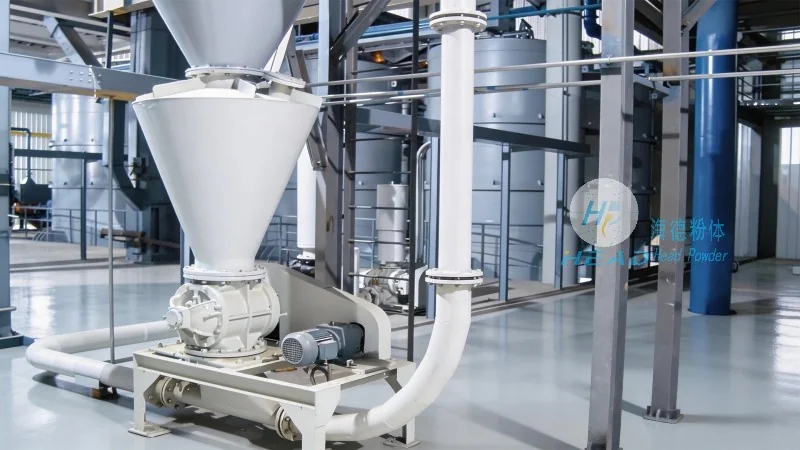
1. Air-Pressure Conveying (Pneumatic Conveying)
Air-pressure conveying, commonly known as pneumatic conveying, is one of the most widely used methods for micropowder transport. This technique utilizes compressed air to move powders through a pipeline system. There are two main types of pneumatic conveying systems: pressure and vacuum. Pressure systems operate by forcing air and powder into a sealed pipeline under positive pressure, while vacuum systems use a vacuum to draw the material from the source into the pipeline. The choice between pressure and vacuum depends on the distance, the material's flow characteristics, and the need for containment. For micropowders, pressure systems are often preferred as they can handle longer distances and provide better control over the material flow. The system typically includes a hopper, a feeder, a conveying line, and a receiver. The hopper stores the micropowder, and the feeder controls the flow rate. The conveying line transports the powder using compressed air, which is introduced at the inlet of the line. The receiver collects the material at the end of the line. Air-pressure conveying is effective for handling fine powders because it minimizes particle degradation and reduces the risk of dust explosions compared to mechanical methods. However, it requires careful design to prevent clogging and ensure consistent flow. The equipment used in pneumatic conveying, such as the hopper and feeder, must be designed to handle the specific properties of micropowders, including their low bulk density and tendency to agglomerate. Companies like Shandong HeadPowder Engineering Co., Ltd., a leading manufacturer in the field, offer specialized pneumatic conveying systems tailored to the needs of micropowder handling. Their expertise in material handling ensures that the systems are optimized for efficiency and safety, making them a reliable choice for industries dealing with fine powders.
2. Mechanical Conveying
Mechanical conveying methods use physical components to move micropowders. These systems are generally more cost-effective for shorter distances and can handle a wide range of materials. The most common types of mechanical conveyors used for micropowders include screw conveyors, belt conveyors, and bucket elevators. Screw conveyors, also known as auger conveyors, use a rotating screw to push the powder along a trough. The screw's speed and pitch can be adjusted to control the flow rate. This method is suitable for handling powders that are free-flowing and non-abrasive. However, for micropowders, screw conveyors may cause particle attrition and can lead to clogging if the material is too fine or has high moisture content. Belt conveyors use a continuous belt to transport the powder from one point to another. The belt is typically made of a material that is resistant to abrasion and can handle the fine particles without causing damage. Belt conveyors are often used in combination with other equipment, such as hoppers and chutes, to form a complete conveying system. They are suitable for longer distances and can handle high volumes of material. However, they require regular maintenance to prevent wear and tear, and they may not be suitable for powders that are too fine or have a tendency to stick to the belt. Bucket elevators use a series of buckets attached to a chain or belt to lift the powder vertically. The buckets are filled at the bottom and discharged at the top. This method is ideal for vertical transport and can handle a wide range of materials, including micropowders. However, bucket elevators can cause particle degradation due to the impact of the buckets on the material, and they may require more maintenance than other mechanical systems. Mechanical conveying methods are generally more economical than pneumatic systems, especially for short distances and low-volume applications. They are also more suitable for handling materials that are not suitable for air transport, such as those that are hygroscopic or have a tendency to agglomerate. However, they may not be as effective in preventing dust generation and can lead to higher maintenance costs over time.
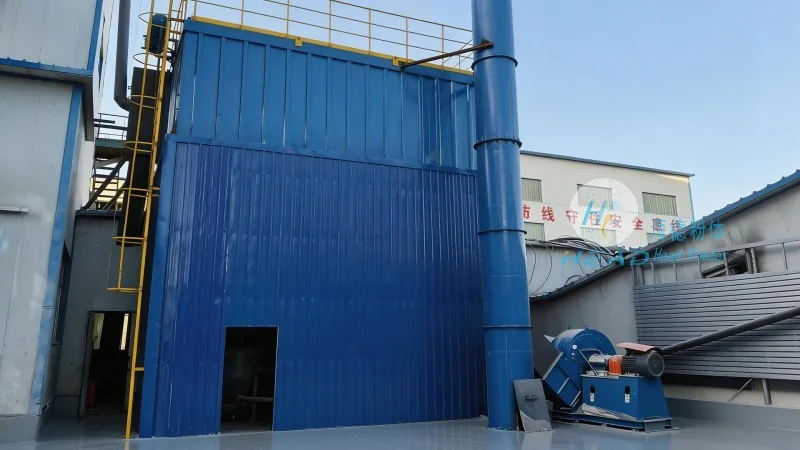
3. Hydraulic Conveying
Hydraulic conveying is a less common method for micropowder transport but is used in certain applications where other methods are not suitable. This technique uses a liquid, typically water or a water-based solution, to transport the powder. The liquid is pumped through a pipeline, and the micropowder is suspended in the liquid. The mixture is then transported to the destination, where the liquid is separated from the powder. Hydraulic conveying is effective for handling very fine powders that are difficult to transport using air or mechanical methods. It can also handle materials that are abrasive or have a high moisture content. However, this method has several drawbacks. The liquid used in the system can cause contamination of the powder, and the equipment required is more complex and expensive than pneumatic or mechanical systems. Additionally, the liquid must be properly treated and disposed of to prevent environmental pollution. Hydraulic conveying is typically used in industries such as mining and mineral processing, where the material being handled is already in a slurry form. For micropowders, this method is less common due to the challenges associated with separating the liquid from the powder and the potential for contamination. However, in some cases, it may be the only viable option when other methods are not feasible.
4. Vacuum Conveying
Vacuum conveying is a type of pneumatic conveying that uses a vacuum to draw the micropowder from the source into the pipeline. This method is particularly useful for handling powders that are difficult to move using pressure systems, such as those with low flowability or high moisture content. The system operates by creating a vacuum at the inlet of the pipeline, which draws the powder from the hopper into the line. The powder is then transported to the receiver using the vacuum pressure. Vacuum conveying is often used for short to medium distances and can handle a wide range of materials. It is particularly effective for handling powders that are prone to clogging or that require gentle handling. The equipment used in vacuum conveying includes a vacuum pump, a hopper, a feeder, and a conveying line. The vacuum pump creates the necessary vacuum, and the feeder controls the flow rate. The conveying line transports the powder using the vacuum pressure. The receiver collects the material at the end of the line. Vacuum conveying is generally more energy-efficient than pressure systems, as it requires less compressed air. However, it may not be suitable for handling very fine powders or for long distances, as the vacuum pressure can drop over distance, leading to reduced flow rates. Companies like Shandong HeadPowder Engineering Co., Ltd. offer vacuum conveying systems that are optimized for micropowder handling, ensuring efficient and safe transport of fine materials.
5. Combination Systems
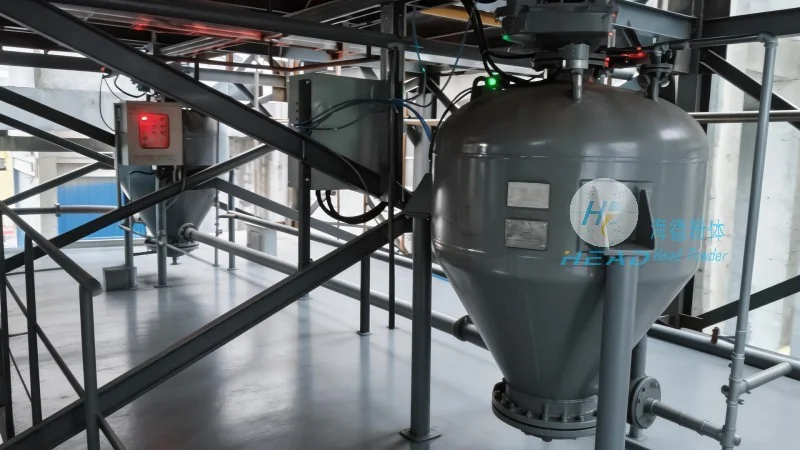
In some cases, a combination of different conveying methods may be used to handle micropowders. For example, a pneumatic system may be used to transport the powder from the source to a central location, and then a mechanical conveyor may be used to distribute it to different parts of the facility. This approach allows for flexibility and can optimize the overall conveying process. Combination systems are often used in large-scale industrial applications where the material needs to be transported over long distances and in high volumes. The choice of combination system depends on the specific requirements of the application, including the distance, the material's properties, and the available equipment. Companies specializing in material handling, such as Shandong HeadPowder Engineering Co., Ltd., can design and implement combination systems tailored to the needs of their clients. These systems are designed to maximize efficiency and minimize downtime, ensuring that the micropowder is transported safely and effectively.
Conclusion
Selecting the appropriate micropowder conveying method is essential for ensuring efficient and safe transport of fine materials. Air-pressure conveying is the most common method due to its effectiveness and ability to handle long distances. Mechanical conveying methods are more cost-effective for shorter distances and can handle a wide range of materials. Hydraulic and vacuum conveying are used in specific applications where other methods are not suitable. The choice of method depends on factors such as the material's properties, the distance to be covered, and the available equipment. Companies like Shandong HeadPowder Engineering Co., Ltd. offer specialized conveying systems that are tailored to the needs of micropowder handling, ensuring that the material is transported safely and efficiently. By understanding the different methods and their applications, industries can select the most appropriate conveying system for their specific needs, optimizing their operations and minimizing risks.

 Shandong Headpowder Engineering Co., Ltd.
 156-6277-7102(Quản lý Trương)
  0531-83386006
  Thành phố Tế Nam, Tỉnh Sơn Đông, Trung Quốc
Điện thoại
WeChatTư vấn
Lên đầu