Với hơn 10 năm kinh nghiệm về vận chuyển khí nén, Headpowder Sơn Đông cung cấp hệ thống, thiết bị và quạt gió toàn chuỗi, đảm nhận các dự án kỹ thuật bột trọn gói trên toàn quốc.
For the efficient and safe handling of raw materials in lithium-ion battery production, various transportation methods are employed. These methods are tailored to the physical properties of the materials, such as their particle size, moisture content, and chemical stability. The choice of method directly impacts production efficiency, material integrity, and overall operational safety. This article explores the common approaches used in the industry, focusing on the equipment and systems that facilitate the movement of key raw materials like cathode active materials, anode materials, and separators. As a leading provider of material handling solutions, Shandong HeadPowder Engineering Co., Ltd. specializes in designing and manufacturing systems tailored to the unique needs of lithium battery manufacturers.
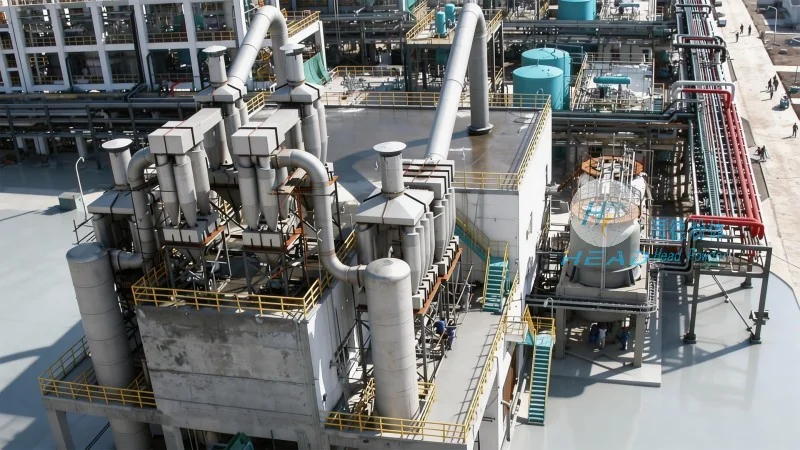
1. Belt Conveyor Systems for Bulk Material Handling
Belt conveyors are among the most widely used methods for transporting bulk raw materials in lithium battery manufacturing. These systems consist of a continuous loop of conveyor belt that moves materials from one point to another through friction-driven rollers. They are particularly effective for handling powders and granules, such as lithium cobalt oxide (LCO), lithium iron phosphate (LFP), and graphite, which are common cathode and anode active materials. Belt conveyors offer several advantages, including high load capacity, low maintenance requirements, and the ability to operate over long distances. The design of the belt, often made from food-grade or industrial-grade rubber, is crucial to prevent contamination and ensure the integrity of the materials. Additionally, the use of adjustable speed controls allows for precise control over material flow, which is essential for maintaining consistent production rates. In lithium battery production lines, belt conveyors are typically integrated with other equipment, such as hoppers and feeders, to create a seamless material flow from storage to processing areas.
2. Bucket Elevators for Vertical Material Transport
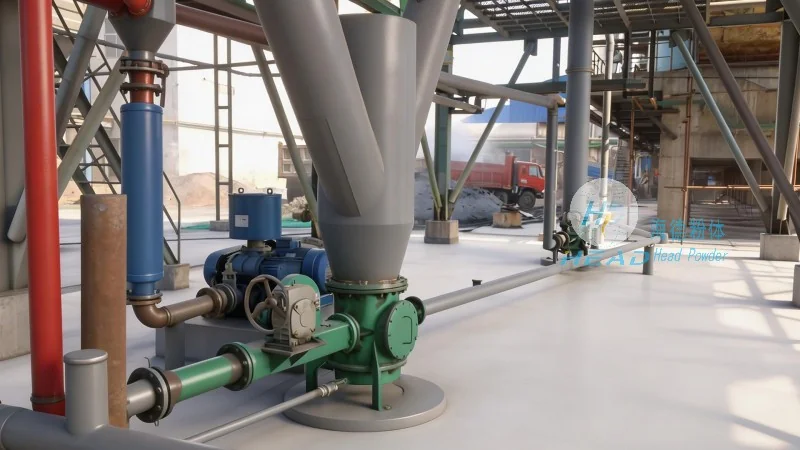
Vertical material transport is often required in lithium battery production facilities, especially when raw materials need to be moved between different levels of the production line. Bucket elevators, also known as chain conveyors, are ideal for this purpose. These systems use a series of buckets attached to a chain or belt that moves vertically, lifting materials from a lower to a higher level. They are commonly used to transport powders and granules from raw material storage silos to processing stations, such as mixing and coating lines. The design of bucket elevators allows for high vertical lift heights and can handle materials with varying bulk densities. Key features include enclosed housing to prevent dust dispersion, which is critical for maintaining a clean and safe working environment. The buckets are typically made from durable materials like stainless steel or high-density plastic to withstand the abrasive nature of battery raw materials. Additionally, the system is equipped with safety mechanisms, such as emergency stop buttons and overload protection, to ensure operational safety. In practice, bucket elevators are often combined with horizontal belt conveyors to form a complete material handling system, ensuring smooth and continuous material flow throughout the production process.
3. Pneumatic Conveying Systems for Dust-Free Transport
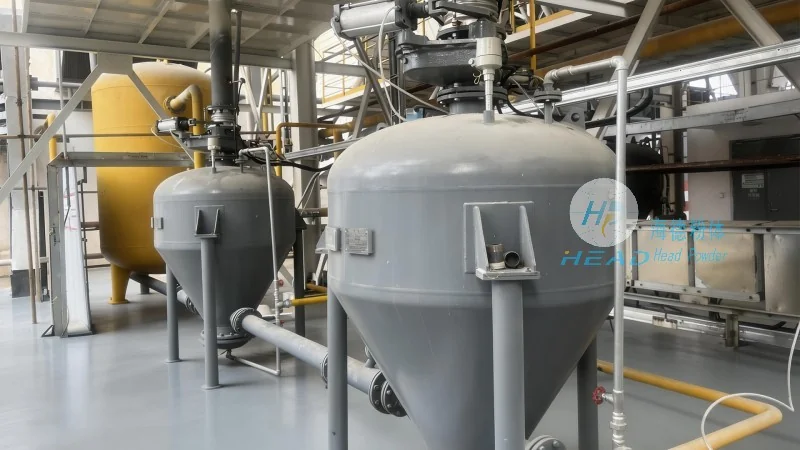
Pneumatic conveying systems, also known as air-powered transport systems, are used for the dust-free and low-noise transport of fine powders in lithium battery production. These systems utilize air pressure to move materials through a network of pipes. There are two main types: pressure and vacuum systems. Pressure systems use compressed air to push materials forward, while vacuum systems use suction to draw materials into the system. Pneumatic conveyors are particularly suitable for handling sensitive materials, such as lithium carbonate or lithium hydroxide, which can be easily damaged or contaminated by contact with other surfaces. The system typically includes a hopper for material storage, a feeder to control the flow rate, and a filter to capture any airborne particles. One of the primary advantages of pneumatic conveying is its ability to transport materials over long distances without the need for multiple transfer points, which reduces the risk of material loss and contamination. Additionally, the enclosed nature of the system helps maintain a clean environment, which is essential for meeting quality control standards in battery manufacturing. However, the design of the system must consider the air velocity and pressure to ensure efficient material transport without causing excessive wear on the equipment. Proper maintenance, including regular filter cleaning and air compressor checks, is necessary to keep the system running smoothly.
4. Screw Conveyors for Controlled Material Transport
Screw conveyors, also known as auger conveyors, are used for the horizontal or slight incline transport of bulk materials in lithium battery production. These systems consist of a rotating screw (auger) inside a cylindrical tube that moves materials forward through friction. Screw conveyors are effective for handling materials with moderate to high bulk densities, such as metal powders and carbon black. They are commonly used to transport raw materials from storage bins to processing equipment, such as mixers or granulators. The design of the screw conveyor allows for precise control over the material flow rate by adjusting the speed of the auger. This is crucial for maintaining consistent material input to downstream processes. The screw and tube are typically made from stainless steel or other corrosion-resistant materials to prevent contamination and ensure durability. Additionally, the system may include a discharge valve at the end to control the release of materials. Screw conveyors are often integrated with other equipment, such as feeders and hoppers, to form a continuous material handling system. They are particularly useful for materials that are prone to caking or bridging, as the rotating screw helps break up clumps and maintain a consistent flow. However, the system may require regular cleaning to prevent material buildup, which can affect performance.
5. Vibrating Conveyors for Gentle Material Handling
Vibrating conveyors are used for the gentle transport of bulk materials in lithium battery production, especially for materials that are sensitive to impact or abrasion. These systems use a vibrating mechanism to move materials along a trough or conveyor belt. The vibration is typically generated by an electric motor connected to a unbalance weight, which creates a sinusoidal motion. Vibrating conveyors are commonly used to transport powders and granules, such as separators and binders, which require minimal handling to maintain their properties. The design of the conveyor allows for low impact and low pressure on the materials, which helps preserve their integrity. The trough is often made from stainless steel or plastic to prevent contamination and ensure durability. The system is equipped with adjustable vibration frequencies and amplitudes, allowing for customization based on the material being transported. Vibrating conveyors are particularly effective for materials with high moisture content or those that are prone to sticking to surfaces. They are often used in conjunction with other equipment, such as feeders and hoppers, to create a smooth material flow. The gentle handling provided by vibrating conveyors helps maintain the quality of the raw materials, which is critical for the performance of the final lithium-ion battery products.

 Shandong Headpowder Engineering Co., Ltd.
 156-6277-7102(Quản lý Trương)
  0531-83386006
  Thành phố Tế Nam, Tỉnh Sơn Đông, Trung Quốc
Điện thoại
WeChatTư vấn
Lên đầu