Với hơn 10 năm kinh nghiệm về vận chuyển khí nén, Headpowder Sơn Đông cung cấp hệ thống, thiết bị và quạt gió toàn chuỗi, đảm nhận các dự án kỹ thuật bột trọn gói trên toàn quốc.
HeadPowder, a leading manufacturer in the field of material handling solutions, specializes in providing efficient and reliable conveying systems for sawdust and husk. Based in Shandong, China, the company has established itself as a trusted partner for industries such as woodworking, agriculture, and biomass processing. This article explores the various methods used to transport these materials, highlighting the key considerations and technologies employed in modern material handling.
Common Conveying Methods for Sawdust and Husk
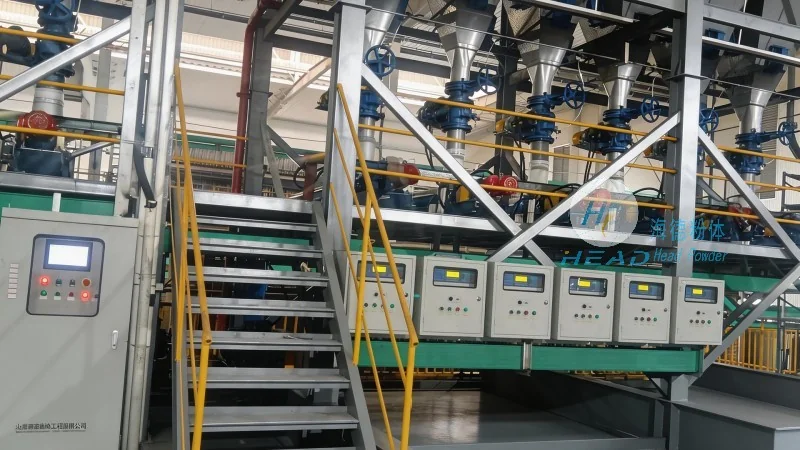
Conveying sawdust and husk requires specialized equipment due to the materials' lightweight, abrasive, and often dusty nature. Several methods are commonly employed, each with its own advantages and applications. The primary methods include:
Pneumatic Conveying: This method uses air pressure to transport materials through a pipeline. It is ideal for handling fine powders and can be used for both short and long distances. Pneumatic systems are particularly effective for sawdust, as they can handle high volumes with minimal maintenance.
Belt Conveyors: Belt conveyors are widely used for transporting bulk materials, including husk and sawdust. These systems consist of a continuous belt that moves materials from one point to another. They are suitable for both horizontal and inclined transport and can handle large quantities efficiently.
Chain Conveyors: Chain conveyors use a series of chains with attached buckets or pans to move materials. This method is particularly effective for handling heavier or more irregularly shaped husk, as the chains can provide better traction and control over the material flow.
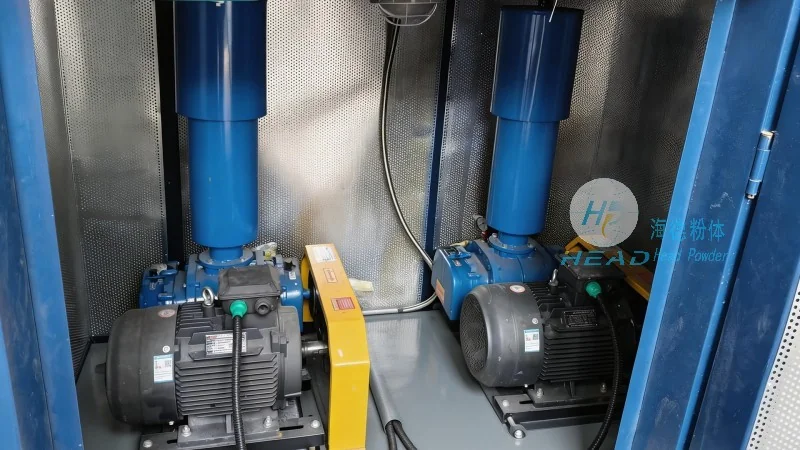
Screw Conveyors: Screw conveyors, also known as auger conveyors, use a rotating screw to push materials forward. They are suitable for transporting materials in a vertical or inclined direction and are commonly used in applications where space is limited.
Factors to Consider When Choosing a Conveying Method
The choice of conveying method depends on several factors, including the material properties, the distance to be covered, the required capacity, and the available space. For example, pneumatic conveying is preferred for fine sawdust that needs to be transported over long distances without segregation, while belt conveyors are more suitable for bulk husk that requires high throughput. The cost of installation and maintenance, as well as the energy consumption, are also important considerations.
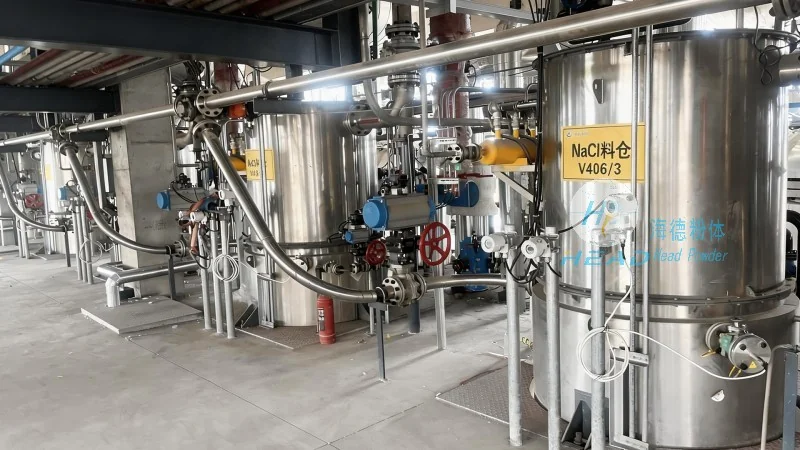
HeadPowder's Expertise in Conveying Solutions
HeadPowder Engineering Co., Ltd. offers a range of conveying systems tailored to the specific needs of sawdust and husk handling. The company's products are designed to ensure high efficiency, low maintenance, and durability. With years of experience in the industry, HeadPowder has developed innovative solutions that address the unique challenges of transporting these materials. The company's team of engineers and technicians provides comprehensive support, from system design and installation to maintenance and after-sales service.
Conclusion
Conveying sawdust and husk is a critical process in many industries, and the choice of method can significantly impact operational efficiency and cost. By understanding the different conveying options and considering the specific requirements of the application, businesses can select the most suitable system. HeadPowder, with its expertise and commitment to quality, continues to provide reliable and effective conveying solutions for its clients in Shandong and beyond.

 Shandong Headpowder Engineering Co., Ltd.
 156-6277-7102(Quản lý Trương)
  0531-83386006
  Thành phố Tế Nam, Tỉnh Sơn Đông, Trung Quốc
Điện thoại
WeChatTư vấn
Lên đầu