Với hơn 10 năm kinh nghiệm về vận chuyển khí nén, Headpowder Sơn Đông cung cấp hệ thống, thiết bị và quạt gió toàn chuỗi, đảm nhận các dự án kỹ thuật bột trọn gói trên toàn quốc.
For industries dealing with gypsum sand, selecting the appropriate pneumatic conveying system is crucial for ensuring efficient material handling, maintaining product quality, and optimizing operational costs. The right system can significantly enhance the reliability and performance of your processing lines, while an ill-suited system may lead to inefficiencies, increased maintenance, and potential safety hazards. This guide aims to help you navigate the key considerations when choosing a pneumatic conveying system tailored to your gypsum sand handling requirements.
At Shandong HeadPowder Engineering Co., Ltd., we specialize in providing customized pneumatic conveying solutions for various industrial applications, including those involving gypsum sand. With years of experience in the field, our team of experts understands the unique challenges associated with handling this material and can offer tailored systems that meet your specific operational needs. Our solutions are designed to ensure efficient, reliable, and cost-effective material transport, helping to improve overall process efficiency and reduce downtime.
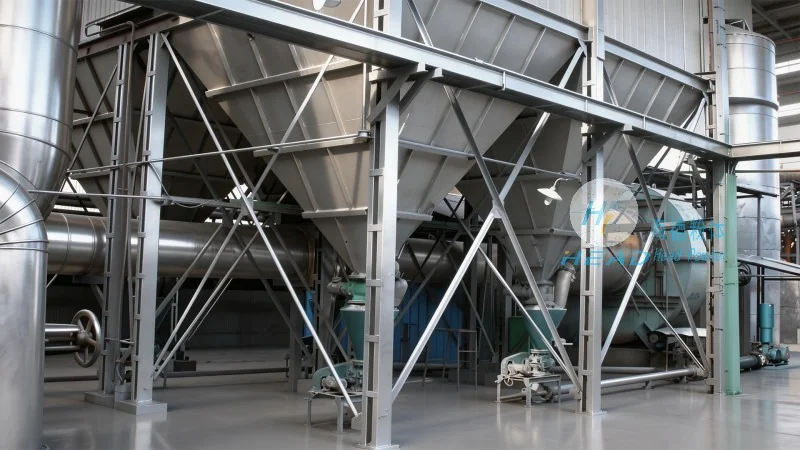
Key Factors to Consider When Selecting a Pneumatic Conveying System for Gypsum Sand
When evaluating pneumatic conveying systems for gypsum sand, several critical factors must be taken into account to ensure the system is suitable for your application. The first consideration is the material's physical properties, such as particle size, density, and moisture content. Gypsum sand typically consists of fine to medium-sized particles, which can vary in size and shape. The system must be designed to handle these characteristics without causing blockages or excessive wear on components. Additionally, the moisture content of the material is important, as high moisture levels can affect the material's flowability and may require specialized equipment to prevent clogging or corrosion.
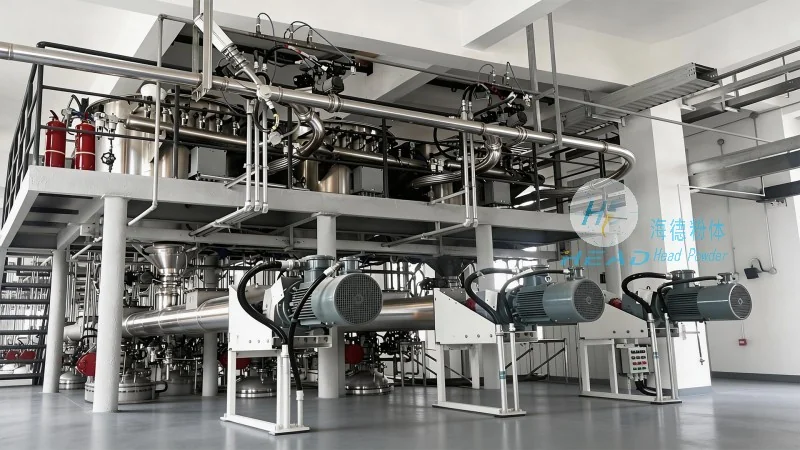
Another key factor is the distance and layout of the conveying route. The system's design should accommodate the required conveying distance and the layout of your facility, including any vertical or horizontal components. The choice between positive pressure and negative pressure systems depends on the distance, material characteristics, and the need for material containment. Positive pressure systems are often preferred for longer distances or when material needs to be transported to multiple destinations, as they provide better control over material flow and can handle more challenging layouts. Negative pressure systems, on the other hand, are suitable for shorter distances and when material needs to be collected from multiple sources.
The capacity and flow rate requirements are also critical. The system must be capable of handling the desired material throughput, which depends on your production rate and the number of processing stages involved. The flow rate should be optimized to avoid excessive pressure drops or energy consumption, while ensuring consistent material delivery to downstream processes. Additionally, the system's ability to handle variations in material feed rate is important, as fluctuations can impact the overall efficiency of the conveying process.
Energy efficiency and operational costs are significant considerations for any industrial system. The choice of system and its components can impact energy consumption, with some systems being more energy-efficient than others. For example, positive pressure systems may require more energy to maintain pressure, but they offer better control and can handle more challenging materials. Negative pressure systems are generally more energy-efficient for shorter distances but may require more maintenance due to the higher velocity of air and material in the system. The total cost of ownership, including initial investment, maintenance, and energy consumption, should be evaluated to ensure the system provides a good return on investment.
System reliability and maintenance requirements are also important. The system should be designed to minimize downtime and maintenance needs. Components such as filters, cyclones, and pumps should be selected based on the material's characteristics to ensure long service life and reduce the frequency of maintenance. The availability of spare parts and the expertise of the manufacturer or supplier are also factors to consider, as they can impact the overall reliability of the system.
Customized Pneumatic Conveying Solutions from HeadPowder
At Shandong HeadPowder Engineering Co., Ltd., we offer customized pneumatic conveying systems that are tailored to the specific needs of your gypsum sand handling process. Our team works closely with you to understand your operational requirements, material characteristics, and budget constraints to design a system that meets your needs. We consider factors such as the conveying distance, layout, capacity, and energy efficiency to ensure the system is optimized for your application.
Our solutions include a range of positive and negative pressure systems, as well as hybrid systems that combine the benefits of both. We can provide systems with various components, such as rotary valves, filters, cyclones, and pumps, to ensure efficient material transport. The systems are designed to handle the unique challenges of gypsum sand, including its fine particle size and potential moisture content, to prevent clogging and ensure consistent flow.
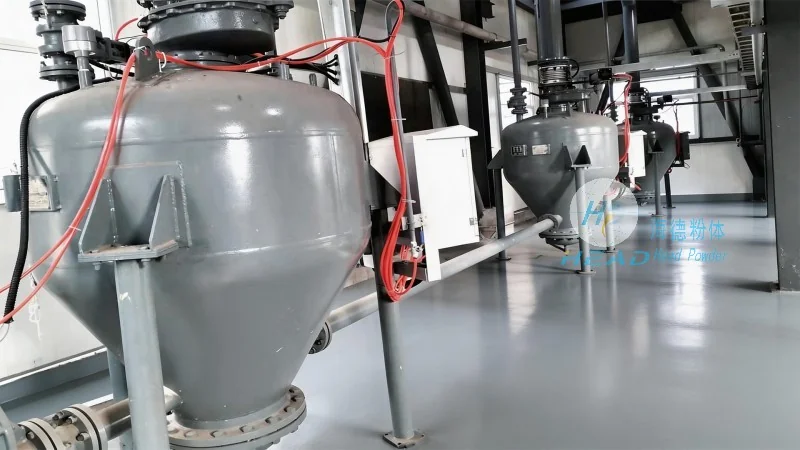
We also offer maintenance and support services to ensure the long-term reliability of your system. Our team of experts can provide regular maintenance, spare parts, and technical support to help you keep your system running smoothly. We understand that downtime can be costly, and our goal is to minimize it by providing reliable and efficient systems.
Conclusion
Selecting the right pneumatic conveying system for your gypsum sand handling process is essential for ensuring efficient material transport, maintaining product quality, and optimizing operational costs. By considering factors such as material properties, conveying distance, capacity, energy efficiency, and maintenance requirements, you can choose a system that meets your specific needs. At Shandong HeadPowder Engineering Co., Ltd., we specialize in providing customized pneumatic conveying solutions that are tailored to your application, helping to improve your process efficiency and reduce downtime. Contact us today to learn more about our solutions and how we can help you achieve your material handling goals.

 Shandong Headpowder Engineering Co., Ltd.
 156-6277-7102(Quản lý Trương)
  0531-83386006
  Thành phố Tế Nam, Tỉnh Sơn Đông, Trung Quốc
Điện thoại
WeChatTư vấn
Lên đầu