Với hơn 10 năm kinh nghiệm về vận chuyển khí nén, Headpowder Sơn Đông cung cấp hệ thống, thiết bị và quạt gió toàn chuỗi, đảm nhận các dự án kỹ thuật bột trọn gói trên toàn quốc.
Slag transport is a critical process in various industrial applications, particularly in the steel and cement industries. The efficient and safe handling of slag from its source to the disposal or utilization site is essential for maintaining operational efficiency and environmental compliance. This article provides a detailed comparison of common slag transport methods, highlighting their advantages, limitations, and suitability for different industrial scenarios. The information is presented by Shandong HeadPowder Engineering Co., Ltd., a leading engineering firm specializing in bulk material handling solutions.
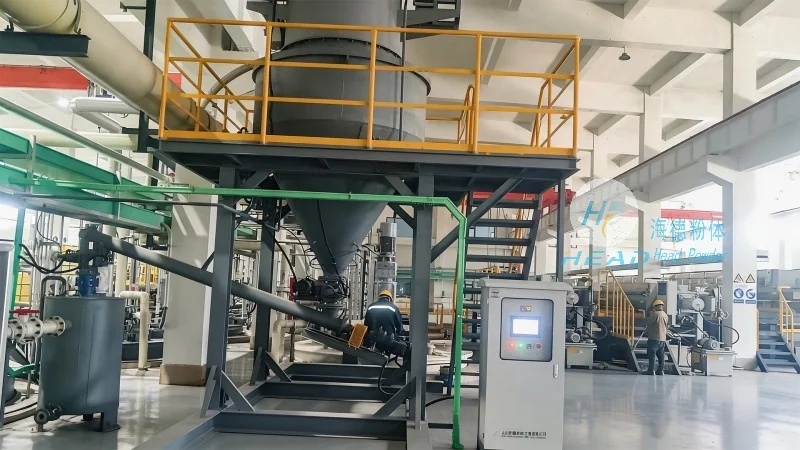
Understanding Slag and Its Transport Requirements
Slag is a byproduct of industrial processes, such as steelmaking and cement production. It typically consists of non-metallic materials that are separated from the molten metal or cement mixture. The characteristics of slag, including its temperature, viscosity, and physical state (solid, semi-solid, or liquid), significantly influence the choice of transport method. For instance, hot slag, which is often molten or semi-molten, requires specialized equipment to handle safely and efficiently. The transport system must also consider factors like the distance to be covered, the volume of slag to be moved, and the desired endpoint, whether it's a landfill, a recycling facility, or a processing plant.
Common Slag Transport Methods
Pipe Conveying (Pneumatic or Hydraulic)
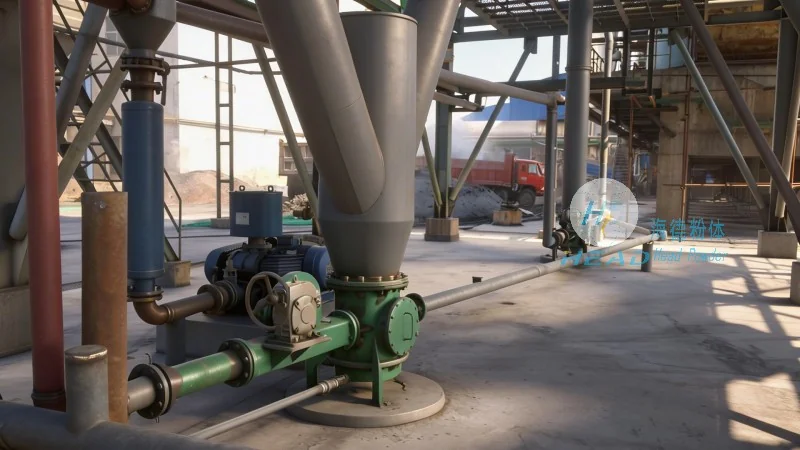
Pipe conveying systems are widely used for transporting hot slag, especially in steel mills. These systems utilize high-pressure air or water to move the slag through a network of pipes. The primary advantage of pneumatic conveying is its ability to handle hot, abrasive materials without the need for mechanical components that might wear out quickly. The system can transport slag over long distances, making it suitable for large-scale industrial operations. However, pipe conveying has limitations, such as the need for high air pressure, which can increase energy consumption, and the potential for material buildup in the pipes if the system is not properly maintained. Hydraulic conveying, while less common for slag due to the risk of corrosion and material degradation, can be used for certain types of slag that are less abrasive.
Truck and Rail Transport
Truck and rail transport are conventional methods for moving slag from the production site to disposal or recycling locations. These methods are particularly useful when the distance to the endpoint is significant and a dedicated transport system is not economically viable. Truck transport offers flexibility, allowing slag to be delivered to various locations, including remote or off-site facilities. However, it is subject to traffic conditions and regulatory restrictions on the transportation of hazardous materials. Rail transport, on the other hand, is more suitable for large volumes of slag and can be more cost-effective over long distances. It requires dedicated rail infrastructure and is less flexible than truck transport. Both truck and rail transport methods need to comply with safety regulations regarding the handling and transportation of hot slag to prevent accidents and environmental contamination.
Conveyor Belts
Conveyor belts are another common method for transporting slag, especially in cement plants where the slag is often in a solid or semi-solid state. These systems use rotating drums and a continuous belt to move the slag from one point to another. The primary advantage of conveyor belts is their ability to handle large volumes of material with relatively low energy consumption. They are also suitable for transporting slag over moderate distances, such as within a plant or to a nearby disposal site. However, conveyor belts have limitations when dealing with hot slag, as the heat can damage the belt material and reduce its lifespan. Additionally, the system requires regular maintenance to prevent belt slippage or material spillage, which can lead to inefficiencies and safety hazards.
Hydraulic Transport
Hydraulic transport involves using high-pressure water or slurry to move slag through a pipeline. This method is particularly effective for transporting hot slag that is in a semi-molten state. The system can handle high temperatures and abrasive materials, making it suitable for steelmaking slag. However, hydraulic transport has significant drawbacks, including the risk of corrosion to the pipeline and the potential for environmental contamination if the system fails. The high water usage also increases operational costs and may require additional treatment to manage the water discharged from the system. Despite these challenges, hydraulic transport remains a viable option for certain industrial applications where other methods are not feasible.
Selection Criteria for Slag Transport Methods
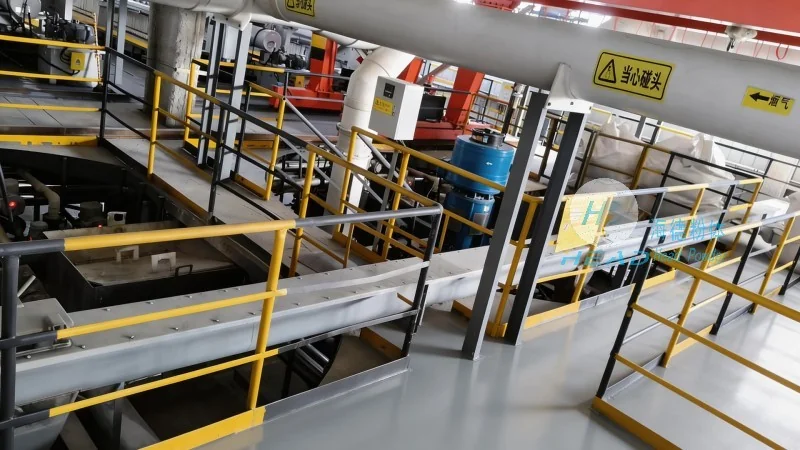
The choice of slag transport method depends on several factors, including the characteristics of the slag, the distance to be covered, the volume of material, and the available infrastructure. For short distances and moderate volumes, conveyor belts may be the most cost-effective option. For long distances and large volumes, pipe conveying or rail transport might be more suitable. The temperature and physical state of the slag are also critical considerations. Hot slag, which is often molten, requires specialized equipment like pipe conveying systems, while cooler, solid slag can be handled by conveyor belts or truck transport. The environmental regulations and safety requirements in the region also play a significant role in the selection process. Companies must balance the operational efficiency and cost with the need to comply with safety and environmental standards.
Conclusion
Each slag transport method has its own set of advantages and limitations, and the optimal choice depends on the specific requirements of the industrial application. Shandong HeadPowder Engineering Co., Ltd. provides comprehensive engineering solutions for slag transport, including the design and implementation of customized systems tailored to the needs of each client. By understanding the characteristics of the slag and the operational constraints, companies can select the most efficient and cost-effective transport method, ensuring safe and sustainable handling of slag throughout the industrial process. The goal is to minimize environmental impact while maximizing operational efficiency, which is a key priority for modern industrial operations.

 Shandong Headpowder Engineering Co., Ltd.
 156-6277-7102(Quản lý Trương)
  0531-83386006
  Thành phố Tế Nam, Tỉnh Sơn Đông, Trung Quốc
Điện thoại
WeChatTư vấn
Lên đầu