Với hơn 10 năm kinh nghiệm về vận chuyển khí nén, Headpowder Sơn Đông cung cấp hệ thống, thiết bị và quạt gió toàn chuỗi, đảm nhận các dự án kỹ thuật bột trọn gói trên toàn quốc.
When it comes to transporting dry manure, selecting the right conveying method is crucial for efficiency, cost-effectiveness, and operational reliability. Various options are available, each with its own set of advantages and limitations. This article explores common dry manure conveying methods and highlights the key benefits of HeadPowder's pneumatic conveying solution.
Overview of Common Dry Manure Conveying Methods
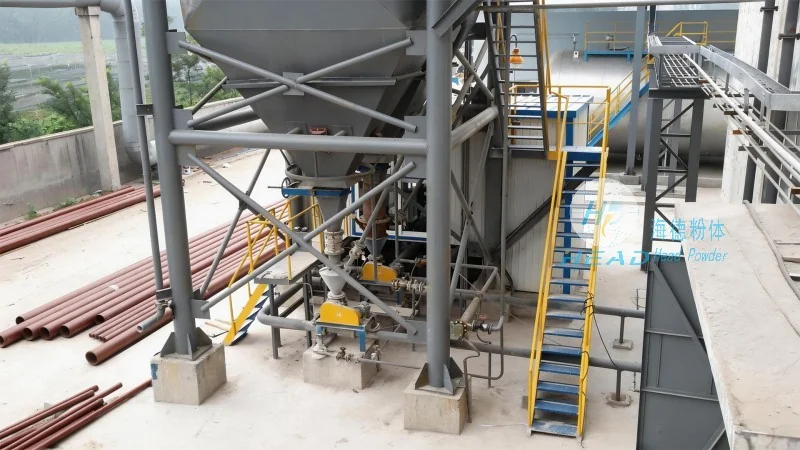
Dry manure, typically from livestock operations such as cattle, pigs, or poultry, requires specialized handling due to its granular and sometimes dusty nature. Traditional methods like manual shoveling or simple mechanical augers are often insufficient for large-scale operations. More advanced techniques include vacuum and pressure pneumatic conveying, screw conveyors, and belt conveyors. Each method addresses specific challenges related to material handling, distance, and environmental considerations.
Vacuum Pneumatic Conveying
Vacuum pneumatic conveying systems use a negative pressure to draw dry manure from the source to the destination. This method is ideal for short to medium distances and can handle relatively fine particles. However, it may struggle with long distances or high material density, as the vacuum pressure can drop significantly over extended runs. Additionally, the system requires careful maintenance to prevent clogging and ensure consistent airflow.
Pressure Pneumatic Conveying
Pressure pneumatic conveying operates on the opposite principle, using positive pressure to push dry manure through a pipeline. This approach is suitable for longer distances and can handle larger volumes of material. It is particularly effective for abrasive or high-density manure, as the higher pressure helps maintain flow and reduces the risk of blockages. However, pressure systems are more complex and require robust components to withstand the higher pressures involved.
Screw Conveyors
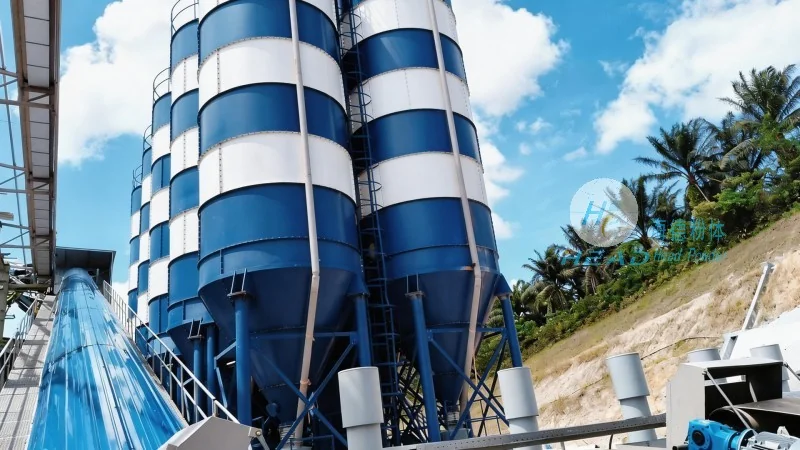
Screw conveyors, also known as auger conveyors, use a rotating screw to move dry manure along a trough. This method is simple and reliable for horizontal or slightly inclined applications. Screw conveyors are well-suited for moderate distances and can handle a variety of manure types. However, they are limited by the need for a relatively straight path and may experience wear and tear on the screw and trough over time. Additionally, they are less effective for vertical lifts or long horizontal runs compared to pneumatic systems.
Belt Conveyors
Belt conveyors use a continuous belt to transport dry manure, often in a combination with a hopper or hopper system. This method is effective for moving large volumes over moderate distances and can be adapted for both horizontal and inclined applications. Belt conveyors are particularly useful for handling wetter or more cohesive manure, as the belt can provide better traction and prevent material spillage. However, they require regular maintenance to keep the belt tensioned and free from debris, and they may not be as efficient for fine, dusty manure.
HeadPowder's Dry Manure Pneumatic Conveying Solution
HeadPowder, a leading manufacturer of industrial conveying equipment, offers a specialized dry manure pneumatic conveying system designed to address the unique challenges of livestock operations. The system combines the efficiency of pneumatic technology with robust engineering to deliver reliable performance in various agricultural settings.
Key Advantages of HeadPowder's Pneumatic Conveying
One of the primary advantages of HeadPowder's dry manure pneumatic conveying is its ability to handle long distances with minimal loss of material. The system uses a combination of vacuum and pressure stages to maintain consistent airflow and prevent clogging, ensuring that manure is transported efficiently from the source to the storage or processing facility. This reduces the need for multiple transfer points and simplifies the overall operation.
Another key benefit is the system's adaptability to different manure types and particle sizes. Whether dealing with fine, dusty manure or coarser, more fibrous material, HeadPowder's equipment can be adjusted to optimize performance. The use of high-quality materials and components ensures durability and long service life, minimizing maintenance costs and downtime.
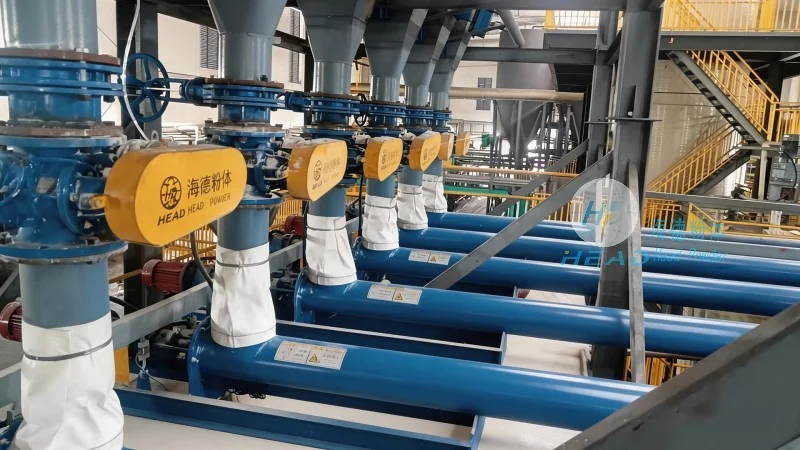
The pneumatic conveying system also offers improved hygiene and environmental control. By keeping the manure contained within a sealed pipeline, the system reduces dust emissions and minimizes the risk of contamination from external sources. This is particularly important in modern agricultural operations where environmental regulations and animal welfare standards are increasingly stringent.
Customization and Scalability
HeadPowder understands that each livestock operation has unique requirements. The dry manure pneumatic conveying system is highly customizable, allowing for adjustments in pipeline length, diameter, and pressure levels to match specific site conditions. This flexibility ensures that the system can be integrated seamlessly into existing infrastructure without major modifications.
Furthermore, the system is scalable to accommodate growing operations. Whether a farm is expanding its livestock capacity or adding new processing facilities, the pneumatic conveying solution can be upgraded or expanded to meet increased demand. This scalability provides long-term value and helps farmers and agricultural businesses adapt to changing market conditions and operational needs.
Conclusion
Choosing the right dry manure conveying method is essential for optimizing agricultural operations and ensuring efficient resource management. While traditional methods like screw or belt conveyors have their place, modern pneumatic systems offer significant advantages in terms of distance, material handling, and environmental control. HeadPowder's dry manure pneumatic conveying solution stands out for its reliability, adaptability, and commitment to quality, making it an ideal choice for livestock operations seeking to enhance their manure handling processes.

 Shandong Headpowder Engineering Co., Ltd.
 156-6277-7102(Quản lý Trương)
  0531-83386006
  Thành phố Tế Nam, Tỉnh Sơn Đông, Trung Quốc
Điện thoại
WeChatTư vấn
Lên đầu