Với hơn 10 năm kinh nghiệm về vận chuyển khí nén, Headpowder Sơn Đông cung cấp hệ thống, thiết bị và quạt gió toàn chuỗi, đảm nhận các dự án kỹ thuật bột trọn gói trên toàn quốc.
Carbon material transportation is a critical process in various industrial applications, ensuring the efficient movement of carbon-based materials from production sites to processing or storage facilities. For companies like Shandong HeadPowder Engineering Co., Ltd., based in Shandong, China, understanding and implementing effective transportation methods is essential for maintaining operational efficiency and product quality. This article explores the primary methods used for carbon material transportation, highlighting the key considerations and applications in industrial settings.
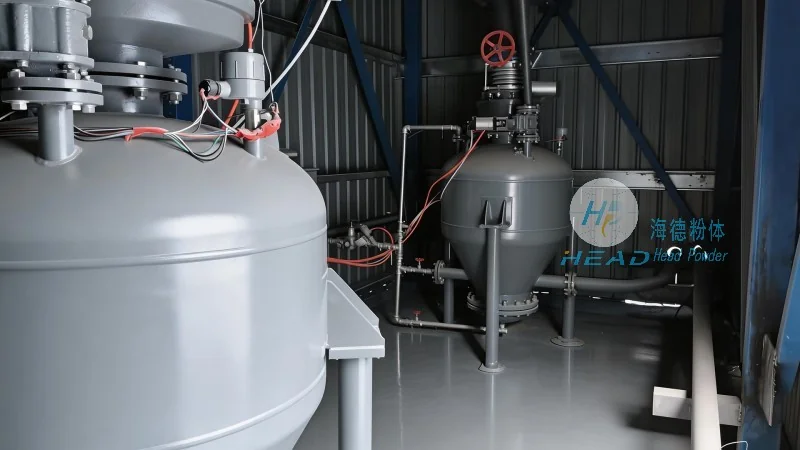
1. Pneumatic Conveying Systems
Pneumatic conveying, also known as air-assisted transport, is a widely used method for transporting carbon materials, especially powders and granules. This system utilizes compressed air to move materials through a pipeline. There are two main types: pressure and vacuum systems. Pressure systems use positive pressure to push material forward, while vacuum systems use negative pressure to pull material. Pneumatic conveying is particularly effective for materials that are fine, dusty, or require minimal contact with equipment. It offers advantages such as low maintenance, the ability to transport materials over long distances, and the option to integrate with other processing equipment. For instance, in the production of carbon black or graphite, pneumatic conveying ensures that the material is moved without degradation, preserving its quality and properties.
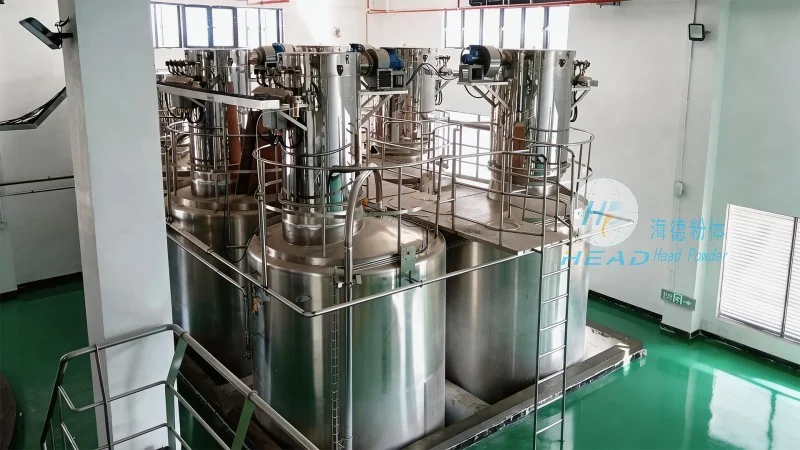
2. Belt Conveyors
Belt conveyors are a classic and reliable method for transporting bulk carbon materials, including coal, coke, and other carbon-based powders. These systems consist of a continuous belt that moves over rollers or pulleys, carrying the material from one point to another. Belt conveyors are suitable for both short and long distances and can handle a wide range of material types and volumes. They are often used in mining and manufacturing facilities where large quantities of carbon materials need to be moved. The design of belt conveyors can be customized to accommodate different material characteristics, such as the size and density of the carbon particles. Additionally, belt conveyors can be equipped with features like load cells and sensors to monitor the flow and weight of the material, ensuring consistent and efficient operation. This method is particularly effective for materials that are not too fine or dusty, as excessive dust can affect the belt's performance and longevity.
3. Screw Conveyors
Screw conveyors, also known as auger conveyors, are another common method for transporting carbon materials. These systems use a rotating screw (auger) to move material along a trough. The screw's rotation causes the material to move forward, similar to an Archimedes' screw. Screw conveyors are ideal for handling dry, free-flowing materials and can be used in vertical or horizontal orientations. They are particularly useful for materials that are sticky or have a tendency to clump together, as the screw's action helps to break up agglomerates and maintain a consistent flow. For carbon materials like activated carbon or carbon fibers, screw conveyors can be designed with special materials or coatings to prevent material buildup and ensure smooth operation. These conveyors are often used in processing plants where the material needs to be moved from a storage bin to a processing unit or for feeding into other equipment. The design of screw conveyors can be adjusted to handle different material characteristics, such as the angle of the screw and the speed of rotation, to optimize performance.
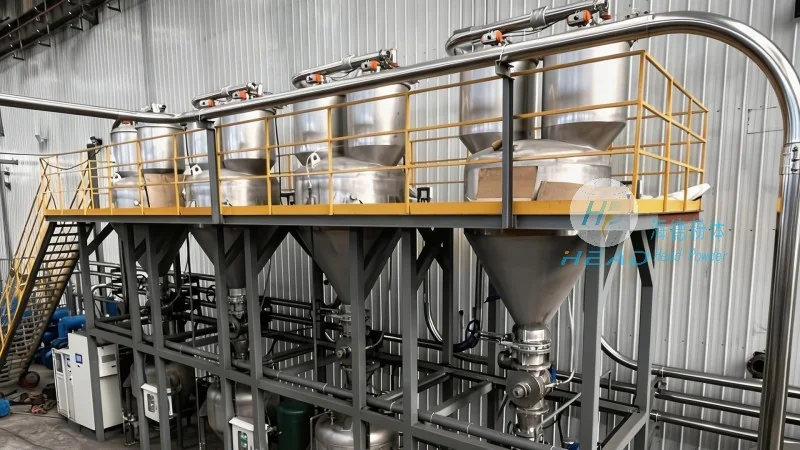
4. Hydraulic Conveying
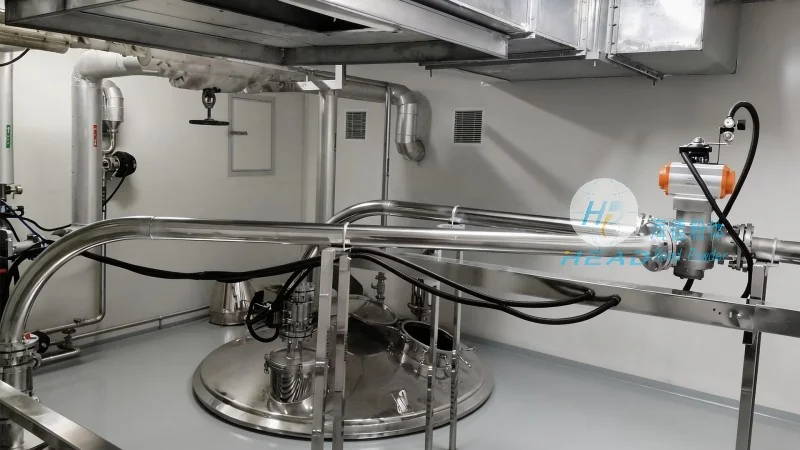
Hydraulic conveying, or slurry transport, is a method that uses water or other liquids to transport carbon materials as a slurry. This technique is particularly effective for materials that are difficult to handle dry, such as fine powders or those that are prone to dusting. The carbon material is mixed with water to form a slurry, which is then pumped through pipelines using pumps. Hydraulic conveying is commonly used in the coal industry for transporting coal from mines to processing plants or for transporting carbon-based materials in chemical processing applications. One of the key advantages of hydraulic conveying is its ability to handle high volumes of material over long distances with relatively low energy consumption. However, it requires proper handling of the slurry to prevent clogging and ensure that the material remains in suspension. The system also needs to be designed to handle the separation of water from the material at the end of the transport process, which may involve filtration or settling tanks. For companies like Shandong HeadPowder Engineering Co., Ltd., hydraulic conveying can be a viable option for transporting large quantities of carbon materials efficiently, especially when dealing with fine or cohesive powders.
5. Bucket Elevators
Bucket elevators are a vertical transportation method used to move carbon materials from lower to higher levels. These systems consist of a vertical or inclined conveyor with buckets attached to a chain or belt. As the buckets move up the conveyor, they pick up material from a hopper at the bottom and discharge it at the top. Bucket elevators are particularly useful for transporting bulk carbon materials in vertical applications, such as in power plants or manufacturing facilities where the material needs to be lifted to different levels for processing or storage. They are designed to handle a wide range of material types, including coal, coke, and carbon powders. The design of bucket elevators can be customized to accommodate different material characteristics, such as the size and density of the particles, to ensure efficient and reliable operation. Bucket elevators offer advantages such as high capacity, low maintenance, and the ability to transport materials over vertical distances without the need for additional equipment. However, they require careful design to prevent material spillage and ensure that the buckets are properly filled to avoid damage to the conveyor system. For industrial applications, bucket elevators are a reliable choice for vertical carbon material transportation.

 Shandong Headpowder Engineering Co., Ltd.
 156-6277-7102(Quản lý Trương)
  0531-83386006
  Thành phố Tế Nam, Tỉnh Sơn Đông, Trung Quốc
Điện thoại
WeChatTư vấn
Lên đầu