Với hơn 10 năm kinh nghiệm về vận chuyển khí nén, Headpowder Sơn Đông cung cấp hệ thống, thiết bị và quạt gió toàn chuỗi, đảm nhận các dự án kỹ thuật bột trọn gói trên toàn quốc.
Fly ash, a byproduct of coal combustion in thermal power plants, is a valuable material used in construction and other industries. Efficient and reliable conveying methods are crucial for the handling and utilization of this material. Among the various options available, pneumatic conveying stands out as a versatile and effective solution, especially for long-distance and complex routes. This article explores different fly ash conveying methods and highlights the advanced pneumatic system offered by Shandong HeadPowder Engineering Co., Ltd., a leading provider based in China.
Understanding Fly Ash and Its Conveying Needs
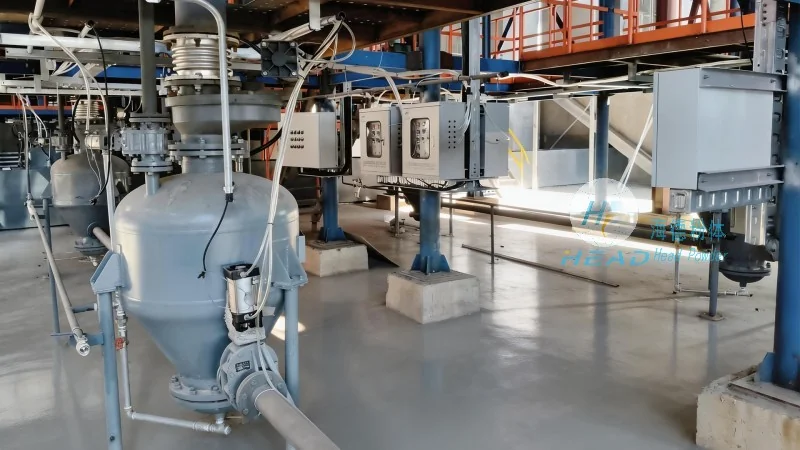
Fly ash, also known as pulverized fuel ash, is a fine powder generated during the combustion of coal. It is typically collected from the flue gas and can be used as a supplementary cementitious material in concrete production, improving its strength and durability. Due to its fine particle size and potentially abrasive nature, conventional conveying methods may face challenges such as dust generation, equipment wear, and material loss. Therefore, selecting an appropriate conveying system is essential to ensure safe, efficient, and cost-effective handling of fly ash.
Common Fly Ash Conveying Methods
Several methods are employed for transporting fly ash, each with its own advantages and limitations. The choice of method depends on factors like distance, material properties, environmental regulations, and operational requirements.
1. Gravity Conveying
Gravity conveying involves using the natural force of gravity to move fly ash from a higher to a lower elevation. This method is suitable for short to medium distances where the material can be discharged from a hopper or silo into a lower storage or processing unit. It is relatively simple and low-cost but is limited by the need for a sufficient vertical drop and may not be feasible for horizontal or long-distance transport.
2. Mechanical Conveying
Mechanical conveying systems, such as belt conveyors, screw conveyors, and bucket elevators, use mechanical components to transport fly ash. Belt conveyors are widely used for horizontal or slightly inclined transport, while screw conveyors are effective for vertical or horizontal movement in confined spaces. These systems are robust and can handle large volumes of material but may generate dust and require regular maintenance. Additionally, they are not suitable for long-distance or complex routes due to the risk of material degradation and equipment wear.
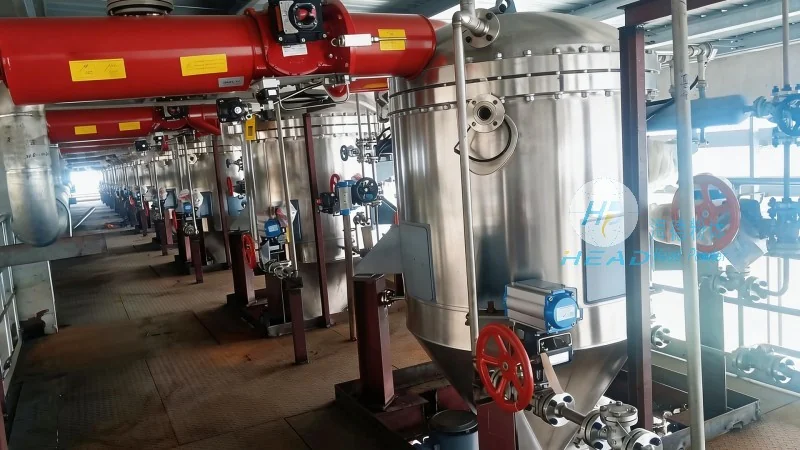
3. Pneumatic Conveying
Pneumatic conveying uses compressed air or gas to transport fly ash particles through a pipeline. This method offers flexibility in terms of distance and route, making it ideal for complex layouts and long-distance transport. There are two main types of pneumatic conveying: dilute-phase and dense-phase. Dilute-phase systems use high-velocity air to suspend and transport particles, suitable for short to medium distances. Dense-phase systems, on the other hand, use lower air velocities and higher material concentrations, which is more efficient for long-distance transport and reduces the risk of material degradation.
HeadPowder's Pneumatic Fly Ash Conveying System
Shandong HeadPowder Engineering Co., Ltd., headquartered in Shandong, China, specializes in providing advanced pneumatic conveying solutions tailored to the unique needs of fly ash handling. The company's system is designed to address the challenges associated with traditional conveying methods, offering a reliable, efficient, and environmentally friendly alternative.
Key Features and Advantages
HeadPowder's pneumatic fly ash conveying system incorporates several innovative features that enhance performance and reliability:
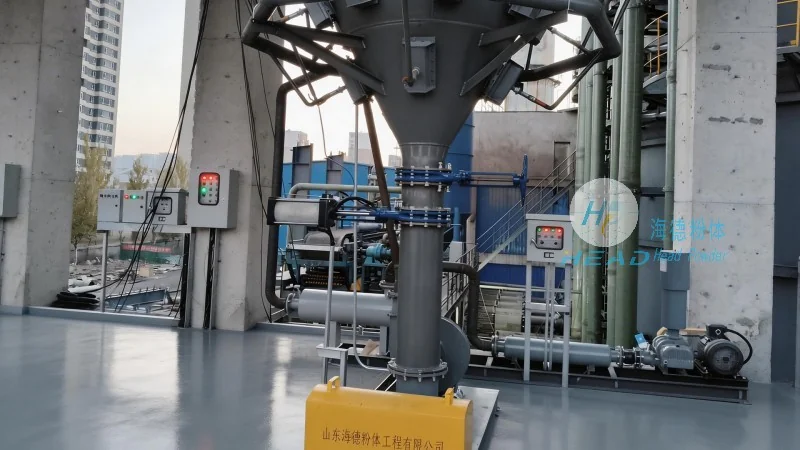
Efficient Material Transport: The system utilizes high-performance blowers and air compressors to generate the necessary air pressure and flow rates, ensuring smooth and continuous transport of fly ash particles over long distances.
Low Maintenance and Durability: The components are constructed from high-quality materials, such as stainless steel and corrosion-resistant alloys, to withstand the abrasive nature of fly ash and minimize wear and tear. This reduces maintenance costs and extends the system's operational life.
Environmental Protection: The system is equipped with dust collection and filtration systems to prevent air pollution and ensure compliance with environmental regulations. It also minimizes material loss and spillage, contributing to a cleaner and safer working environment.
Flexible and Scalable: The modular design allows for easy customization and expansion to accommodate varying production volumes and changing operational requirements. This flexibility makes the system suitable for both new installations and upgrades to existing facilities.
Technical Specifications and Applications
HeadPowder's pneumatic fly ash conveying system is designed to handle a wide range of fly ash types and particle sizes. The system can transport materials over distances of up to several kilometers and can be integrated with existing storage and processing facilities. It is widely used in thermal power plants, cement factories, and construction material production sites where efficient fly ash handling is critical.
Conclusion
Choosing the right fly ash conveying method is essential for optimizing material handling processes and ensuring operational efficiency. While gravity and mechanical conveying have their applications, pneumatic conveying, particularly the advanced system offered by Shandong HeadPowder Engineering Co., Ltd., provides a superior solution for long-distance and complex transport needs. With its focus on efficiency, durability, and environmental responsibility, HeadPowder's system helps industries maximize the value of fly ash while minimizing operational costs and environmental impact.

 Shandong Headpowder Engineering Co., Ltd.
 156-6277-7102(Quản lý Trương)
  0531-83386006
  Thành phố Tế Nam, Tỉnh Sơn Đông, Trung Quốc
Điện thoại
WeChatTư vấn
Lên đầu