Với hơn 10 năm kinh nghiệm về vận chuyển khí nén, Headpowder Sơn Đông cung cấp hệ thống, thiết bị và quạt gió toàn chuỗi, đảm nhận các dự án kỹ thuật bột trọn gói trên toàn quốc.
Quartz sand, a vital raw material in industries like glass manufacturing, foundry, and construction, often requires efficient and reliable transportation from storage to processing units. The choice of conveying method significantly impacts operational efficiency, material quality, and overall production costs. This article explores common quartz sand particle conveying methods, with a particular focus on the advantages and applications of quartz sand pneumatic conveying systems.
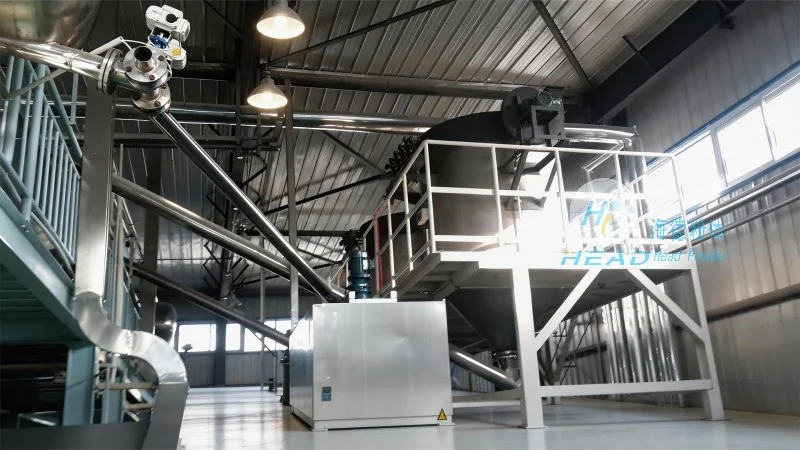
Understanding Quartz Sand Particle Characteristics
Before delving into conveying methods, it's essential to understand the physical properties of quartz sand particles. Quartz sand typically consists of fine to medium-sized granules with a relatively uniform size distribution. The density of quartz sand is around 2.65 g/cm³, and its particle size can range from a few microns to several millimeters. These characteristics influence the selection of appropriate conveying equipment, as different methods are better suited for specific particle sizes and flow rates.
Common Conveying Methods for Quartz Sand Particles
Several methods are used to transport quartz sand particles, each with its own advantages and limitations. The primary categories include mechanical conveying systems and pneumatic conveying systems. Mechanical systems, such as belt conveyors and screw conveyors, are widely used for bulk material handling but may not be ideal for fine or dusty quartz sand due to issues like material degradation and equipment wear. In contrast, pneumatic conveying offers a more flexible and efficient solution for transporting quartz sand particles, especially in applications requiring long-distance or high-volume transport.
Quartz Sand Pneumatic Conveying: A Detailed Overview
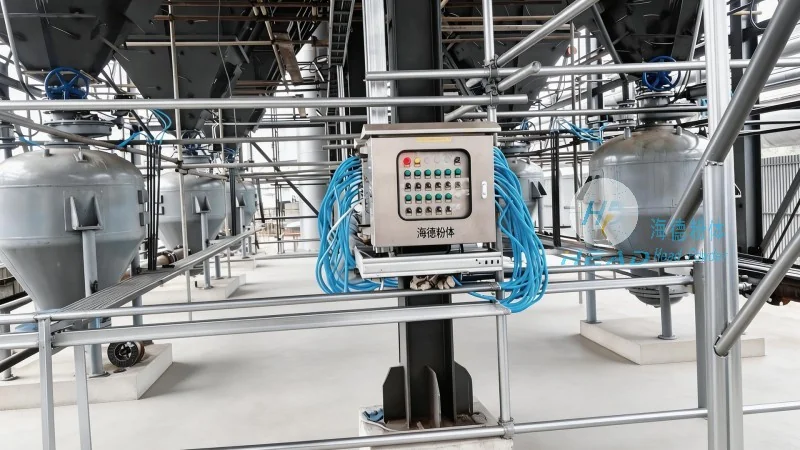
Pneumatic conveying, also known as air conveying, uses pressurized or vacuum air to transport solid particles through a pipeline. For quartz sand, this method is particularly effective due to the material's relatively low moisture content and uniform particle size. The system typically consists of a hopper, a feeder, a conveying line, and a receiver. The quartz sand is fed into the system, and compressed air is introduced to create a flow that carries the particles through the pipeline to the destination.
There are two main types of pneumatic conveying systems for quartz sand: pressure and vacuum systems. Pressure systems use compressed air to push the material through the pipeline, while vacuum systems use a vacuum to draw the material into the pipeline. The choice between the two depends on factors such as the distance to be covered, the volume of material to be transported, and the need for dust control. For quartz sand applications, pressure systems are often preferred for their ability to handle longer distances and higher flow rates without significant pressure loss.
Advantages of Quartz Sand Pneumatic Conveying
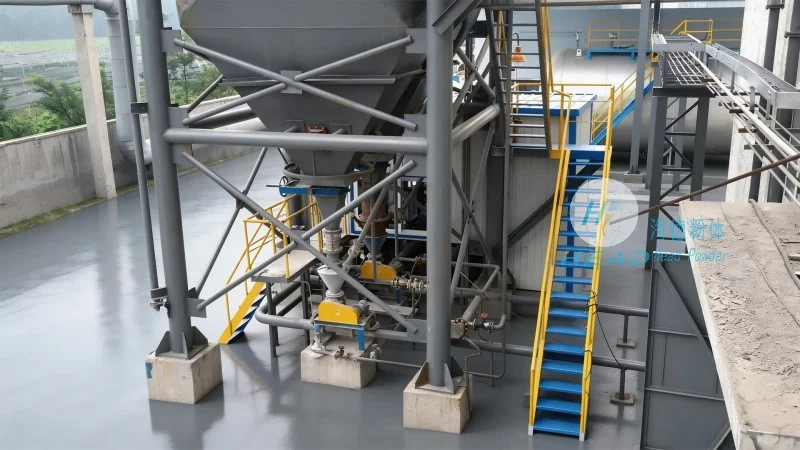
Quartz sand pneumatic conveying offers several advantages over traditional mechanical methods. Firstly, it provides a closed system, which helps in controlling dust emissions and maintaining material purity. This is critical for applications where contamination can affect the final product quality, such as in glass manufacturing. Secondly, pneumatic systems are more flexible in terms of layout, allowing for changes in the conveying route without major modifications to the infrastructure. This adaptability is valuable in dynamic production environments where process changes are frequent.
Another key advantage is the ability to handle both fine and coarse quartz sand particles efficiently. Unlike mechanical conveyors that may struggle with fine particles due to clogging or increased friction, pneumatic systems can transport particles with diameters as small as a few microns. This makes them suitable for applications involving ultra-fine quartz sand, which is often used in specialized glass and ceramic products.
Applications of Quartz Sand Pneumatic Conveying
Quartz sand pneumatic conveying is widely used in various industries. In the glass industry, it is used to transport quartz sand from storage silos to melting furnaces, ensuring a consistent and clean feedstock. In foundry applications, pneumatic systems are employed to convey quartz sand for mold making, where precise particle size control is essential for achieving the desired surface finish and strength of the cast products. Additionally, in construction and refractory industries, pneumatic conveying is used to transport quartz sand for the production of refractory bricks and other building materials.
Considerations for Implementing Quartz Sand Pneumatic Conveying Systems
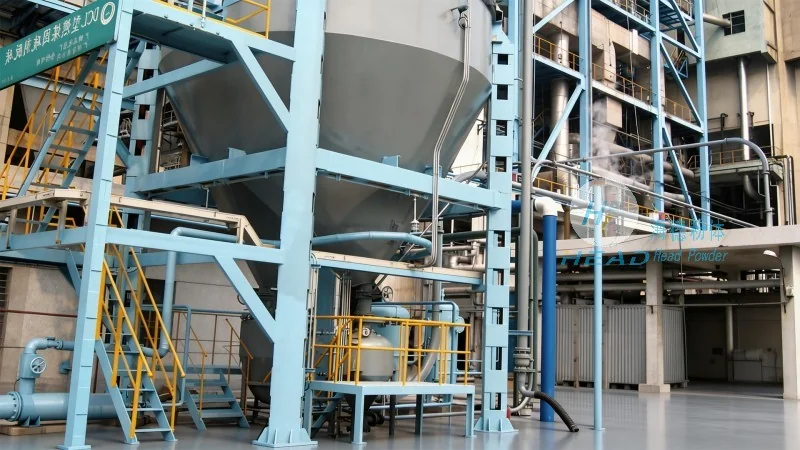
While quartz sand pneumatic conveying offers numerous benefits, proper system design and maintenance are crucial for optimal performance. Key considerations include selecting the appropriate air pressure and flow rate to ensure efficient particle transport without excessive energy consumption. The material of construction for the conveying line and components must be resistant to the abrasive nature of quartz sand to prevent wear and tear. Regular maintenance, such as cleaning the system and checking for air leaks, is also essential to maintain system efficiency and extend the lifespan of the equipment.
Furthermore, the system should be equipped with proper dust collection and filtration to comply with environmental regulations and maintain a safe working environment. This is particularly important in industrial settings where dust can pose health risks to workers and contribute to air pollution. By addressing these considerations, companies can maximize the benefits of quartz sand pneumatic conveying while minimizing operational challenges.
Conclusion
Quartz sand particle conveying is a critical aspect of many industrial processes, and the choice of conveying method directly impacts production efficiency and product quality. Among the various options available, quartz sand pneumatic conveying stands out as a highly effective and versatile solution, especially for applications involving fine or dusty quartz sand. By understanding the characteristics of quartz sand and the principles of pneumatic conveying, industries can select the most suitable system to meet their specific needs. As a leading provider of quartz sand processing solutions, Shandong HeadPowder Engineering Co., Ltd. specializes in designing and manufacturing customized pneumatic conveying systems tailored to the unique requirements of each client, ensuring reliable and efficient quartz sand transport in various industrial applications.

 Shandong Headpowder Engineering Co., Ltd.
 156-6277-7102(Quản lý Trương)
  0531-83386006
  Thành phố Tế Nam, Tỉnh Sơn Đông, Trung Quốc
Điện thoại
WeChatTư vấn
Lên đầu