Với hơn 10 năm kinh nghiệm về vận chuyển khí nén, Headpowder Sơn Đông cung cấp hệ thống, thiết bị và quạt gió toàn chuỗi, đảm nhận các dự án kỹ thuật bột trọn gói trên toàn quốc.
When it comes to handling dry lime in industrial processes, selecting the appropriate pneumatic conveying system is crucial for maintaining efficiency, safety, and operational reliability. Dry lime, with its unique physical properties, requires specialized equipment that can handle its dustiness, bulk density, and potential reactivity. This guide will help you navigate the key considerations when choosing a pneumatic conveying system for your dry lime handling applications, ensuring optimal performance and longevity of your material handling infrastructure.
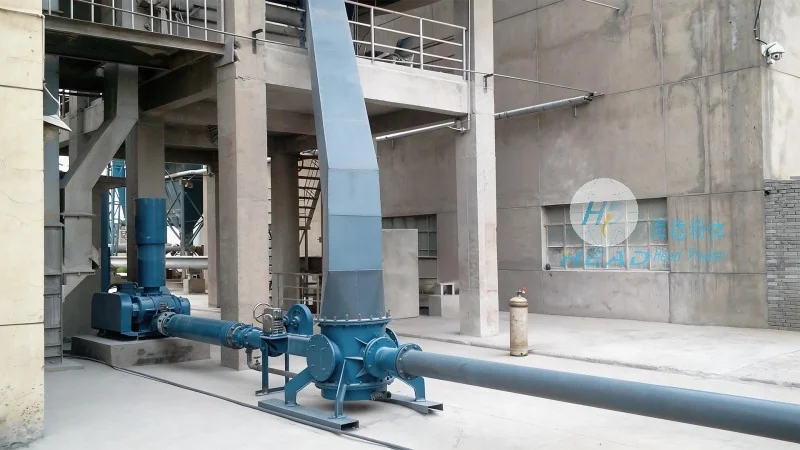
Understanding the Importance of Proper Dry Lime Conveying
Dry lime is widely used in various industries including construction, steel production, and environmental treatment due to its alkaline properties and ability to neutralize acids. However, its handling presents challenges such as dust generation, caking, and the need for precise control over material flow. An effective pneumatic conveying system not only ensures safe and efficient transport of dry lime but also minimizes environmental impact by containing dust and reducing material loss. The choice of system directly impacts operational costs, maintenance requirements, and overall process stability.
Key Factors to Consider When Choosing a Pneumatic Conveying System for Dry Lime
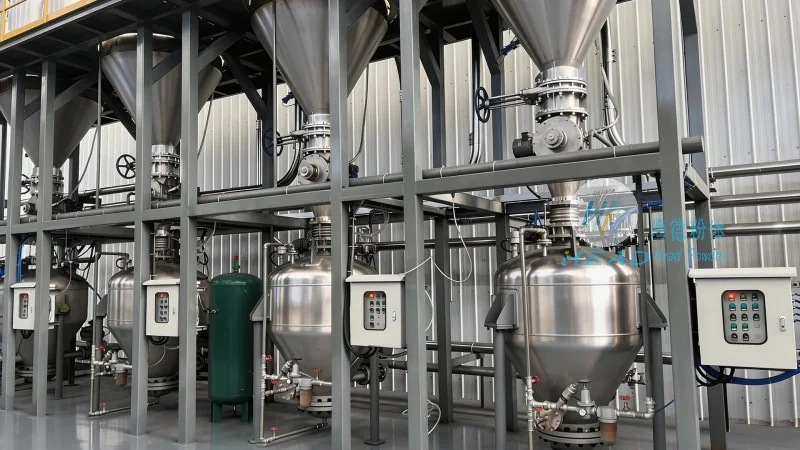
Several critical factors must be evaluated when selecting a pneumatic conveying system for dry lime. First, the physical characteristics of the dry lime itself, such as particle size distribution, bulk density, and moisture content, play a significant role. Larger or more cohesive particles may require systems with higher air pressure or specialized hopper designs to prevent blockages. Second, the distance and layout of the conveying route are important considerations. For short distances, low-pressure systems may suffice, while longer routes often necessitate high-pressure or positive pressure systems to maintain material flow. Third, the desired flow rate and system capacity are essential for matching the system to the production requirements. Additionally, the need for dust control and environmental compliance should be factored in, as dry lime is a fine powder that can create significant airborne dust if not properly contained.
Types of Pneumatic Conveying Systems Suitable for Dry Lime Handling
There are several types of pneumatic conveying systems that can be applied to dry lime handling, each with its own advantages and suitability for different conditions. The most common types include pressure conveying systems, vacuum conveying systems, and hybrid systems. Pressure conveying systems use compressed air to push the dry lime through the pipeline, making them ideal for longer distances and higher flow rates. These systems typically operate at pressures ranging from 5 to 15 bar and are capable of handling large volumes of material efficiently. Vacuum conveying systems, on the other hand, use suction to draw the dry lime into the system, which is often preferred for shorter distances or when the material needs to be collected from multiple points. Vacuum systems are generally more flexible in terms of layout but may have lower capacity compared to pressure systems. Hybrid systems combine elements of both pressure and vacuum conveying, offering versatility for complex handling scenarios where both pushing and pulling actions are required.
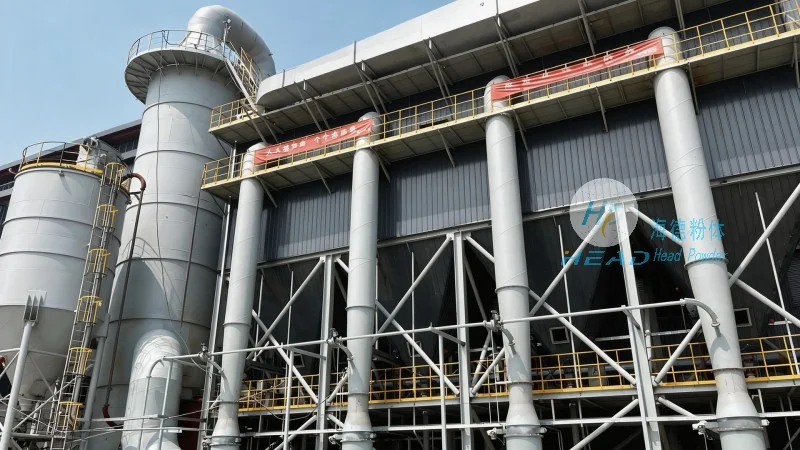
Benefits of Choosing a High-Quality Pneumatic Conveying System from HeadPowder
When selecting a pneumatic conveying system for dry lime, partnering with a reputable manufacturer like Shandong HeadPowder Engineering Co., Ltd. can provide significant advantages. HeadPowder specializes in designing and manufacturing customized pneumatic conveying solutions tailored to the specific needs of dry lime handling applications. Their systems are engineered to handle the unique challenges of dry lime, including dust control, material flow optimization, and durability. By choosing a system from HeadPowder, you can benefit from enhanced operational efficiency, reduced maintenance costs, and improved safety features such as enclosed pipelines and dust collection systems. The company's expertise in material handling technology ensures that their solutions are not only effective but also compliant with industry standards and regulations.
Conclusion: Making the Right Choice for Your Dry Lime Handling Process
Choosing the right pneumatic conveying system for your dry lime handling process is a critical decision that impacts the overall performance and success of your industrial operations. By considering the physical properties of the dry lime, the conveying distance and layout, and the required flow rate, you can select a system that meets your specific needs. Partnering with a trusted manufacturer like Shandong HeadPowder Engineering Co., Ltd. ensures that you receive a high-quality, customized solution that delivers optimal performance and reliability. With the right system in place, you can enhance productivity, minimize downtime, and ensure safe and efficient handling of dry lime in your facility.

 Shandong Headpowder Engineering Co., Ltd.
 156-6277-7102(Quản lý Trương)
  0531-83386006
  Thành phố Tế Nam, Tỉnh Sơn Đông, Trung Quốc
Điện thoại
WeChatTư vấn
Lên đầu