Với hơn 10 năm kinh nghiệm về vận chuyển khí nén, Headpowder Sơn Đông cung cấp hệ thống, thiết bị và quạt gió toàn chuỗi, đảm nhận các dự án kỹ thuật bột trọn gói trên toàn quốc.
When it comes to managing wood dust in industrial processes, selecting the appropriate pneumatic conveying system is crucial for ensuring efficiency, safety, and cost-effectiveness. The right system can significantly improve material handling, reduce downtime, and enhance overall operational performance. This guide will help you navigate the key factors and considerations when choosing a pneumatic conveying system tailored to your wood dust handling needs.
Understanding the Core Requirements for Wood Dust Conveying
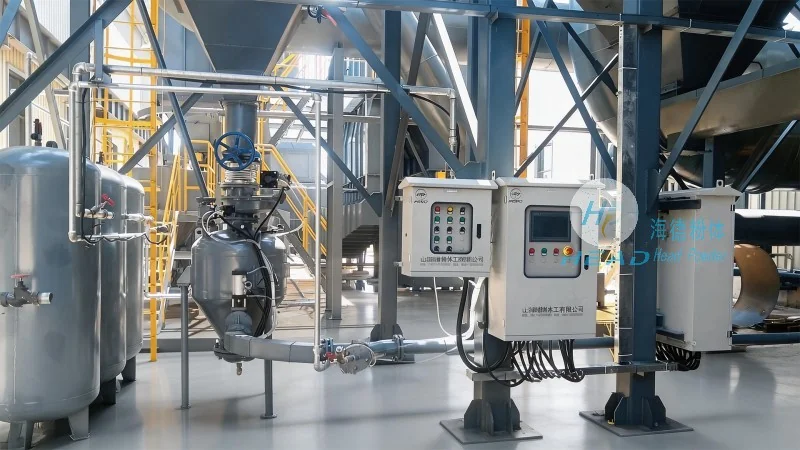
Before diving into system selection, it's essential to understand the specific characteristics of wood dust and the operational demands of your process. Wood dust can vary widely in terms of particle size, moisture content, and bulk density, which directly impact the choice of conveying method. For instance, fine wood dust may require a system with higher air velocity to prevent clogging, while larger particles might benefit from a positive pressure system with larger ducts. Additionally, the distance the material needs to be transported and the required throughput will influence the system's design and components.
Key Factors to Consider When Selecting a Pneumatic Conveying System
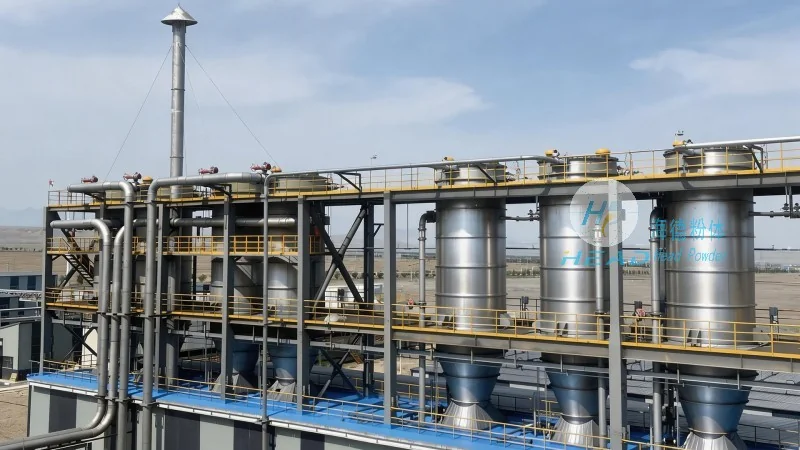
Several critical factors must be evaluated to ensure the selected system meets your wood dust handling requirements. First, the physical properties of the wood dust are paramount. Particle size distribution, moisture content, and bulk density affect system performance and component wear. Second, the distance and layout of the conveying route are important. Longer distances may necessitate booster units or larger air volumes to maintain material transport. Third, the required throughput and system reliability are key considerations. A system that can handle the desired flow rate without excessive energy consumption or maintenance is ideal. Finally, cost-effectiveness and long-term operational costs should be weighed against the initial investment.
Types of Pneumatic Conveying Systems for Wood Dust
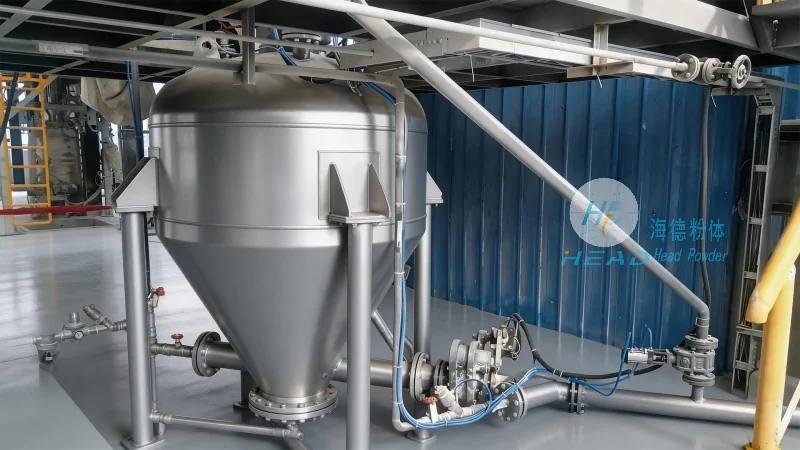
There are primarily two types of pneumatic conveying systems used for wood dust: positive pressure and negative pressure systems. Positive pressure systems, which blow air into the system, are often preferred for wood dust due to their ability to handle larger particles and longer distances. These systems typically use a blower or compressor to generate the necessary air pressure and can be designed with multiple inlets and outlets for complex material handling. Negative pressure systems, on the other hand, draw material into the system using a vacuum, which is suitable for applications where dust containment is critical. However, they may be less efficient for long-distance or high-volume transport of wood dust.
Customization and Expertise from Shandong HeadPowder Engineering Co., Ltd.
Located in Shandong, China, Shandong HeadPowder Engineering Co., Ltd. specializes in providing tailored pneumatic conveying solutions for wood dust handling. Our team of experts works closely with clients to assess their specific needs, including the characteristics of their wood dust, the layout of their facility, and their operational goals. We then design and manufacture customized systems that are engineered to maximize efficiency, minimize energy consumption, and ensure reliable performance over the long term. By leveraging our expertise and experience, we help our clients achieve optimal results in their wood dust handling processes.
Conclusion: Making the Right Choice for Your Wood Dust Handling
Selecting the right pneumatic conveying system for your wood dust handling process is a critical decision that can impact your operational efficiency and bottom line. By considering the physical properties of your wood dust, the distance and layout of the conveying route, the required throughput, and the type of system (positive or negative pressure), you can make an informed choice. With the right system in place, you can ensure safe and efficient transport of wood dust, reduce downtime, and enhance the overall productivity of your industrial operations. Shandong HeadPowder Engineering Co., Ltd. is committed to providing high-quality, customized solutions that meet the specific needs of our clients, helping them achieve their wood dust handling goals effectively and reliably.

 Shandong Headpowder Engineering Co., Ltd.
 156-6277-7102(Quản lý Trương)
  0531-83386006
  Thành phố Tế Nam, Tỉnh Sơn Đông, Trung Quốc
Điện thoại
WeChatTư vấn
Lên đầu