Với hơn 10 năm kinh nghiệm về vận chuyển khí nén, Headpowder Sơn Đông cung cấp hệ thống, thiết bị và quạt gió toàn chuỗi, đảm nhận các dự án kỹ thuật bột trọn gói trên toàn quốc.
Pharmaceutical manufacturing relies on precise and efficient methods to transport powders and granules, ensuring product quality and safety throughout the production process. Among the various techniques available, pneumatic conveying stands out as a sophisticated solution for handling sensitive materials in the pharmaceutical industry. This article explores the different pharmaceutical delivery methods, with a focus on the advantages and features of pneumatic conveying systems.
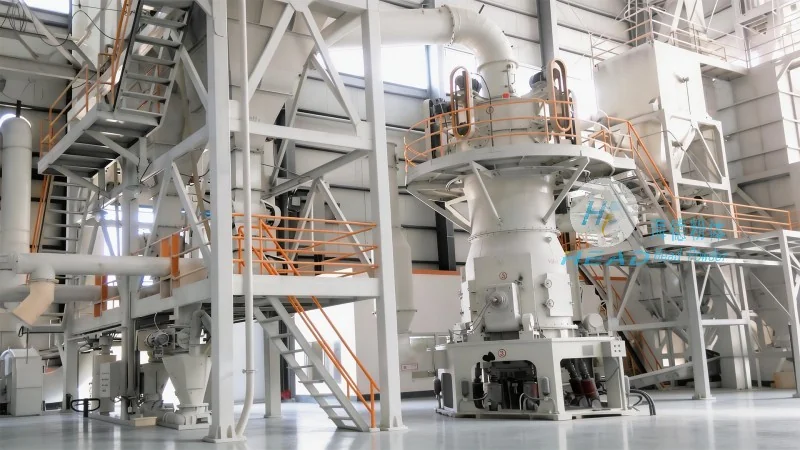
Introduction to Pharmaceutical Delivery Methods
In the pharmaceutical sector, the selection of an appropriate delivery method is critical to maintaining product integrity, controlling contamination risks, and optimizing operational efficiency. Traditional methods such as manual handling, mechanical conveyors, and vacuum systems have been used for decades, but modern pharmaceutical production demands more advanced solutions that meet stringent regulatory requirements. Pneumatic conveying, as a key technology in this field, offers a range of benefits that address the unique challenges of pharmaceutical processing.
Understanding Different Pharmaceutical Delivery Techniques
Pharmaceutical delivery methods can be broadly categorized into several types, each with its own set of applications and limitations. Mechanical conveyors, including screw conveyors and belt conveyors, are commonly used for bulk material transport but may not be suitable for highly sensitive or hygroscopic powders due to the risk of product degradation or contamination. Vacuum systems, while effective for light powders, often require complex setups and may not handle high volumes efficiently. In contrast, pneumatic conveying systems utilize air or other gases to transport materials through pipelines, providing a more controlled and hygienic environment for pharmaceutical products.
The Role of Pneumatic Conveying in Pharmaceutical Processing
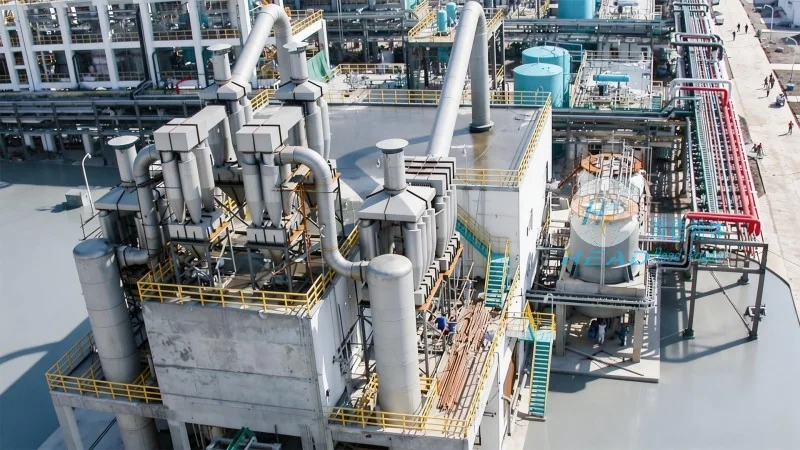
Pneumatic conveying plays a pivotal role in pharmaceutical processing by enabling the safe and efficient transfer of active pharmaceutical ingredients (APIs), excipients, and finished products. The technology is particularly valuable in applications where product purity, sterility, and minimal contamination are paramount. By using pressurized or vacuum air streams, pneumatic systems can transport powders over long distances while maintaining consistent flow rates and preventing material degradation. This makes pneumatic conveying an ideal choice for pharmaceutical manufacturers seeking to streamline their production lines and enhance overall operational performance.
Key Advantages of Pneumatic Conveying for Pharmaceutical Applications
One of the primary advantages of pneumatic conveying in pharmaceutical applications is its ability to handle a wide range of materials, from fine powders to bulk granules, without the need for additional equipment or manual intervention. The system's enclosed pipeline design minimizes exposure to external contaminants, reducing the risk of cross-contamination and ensuring compliance with regulatory standards such as those set by the FDA and GMP (Good Manufacturing Practice). Additionally, pneumatic conveying offers high flexibility, allowing for easy integration with existing production lines and the ability to adjust flow rates based on production demands. This adaptability makes it suitable for both small-scale and large-scale pharmaceutical operations.
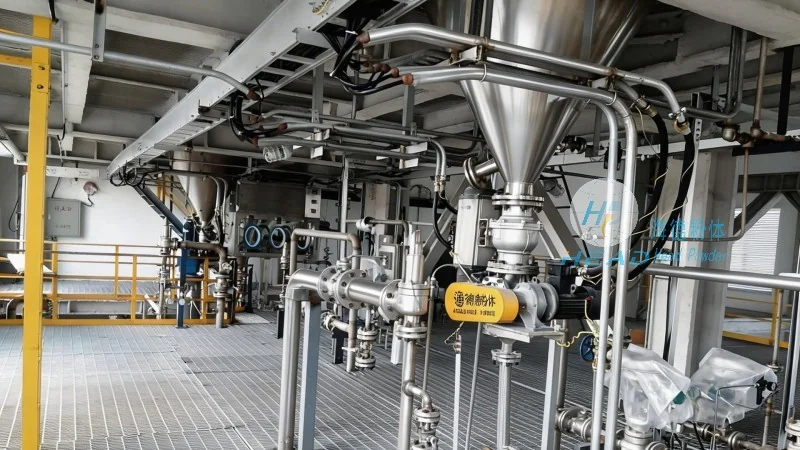
Technical Features and Operational Benefits of Pneumatic Systems
The technical features of pneumatic conveying systems contribute significantly to their effectiveness in pharmaceutical processing. These systems typically consist of a blower or compressor, a hopper for material storage, and a pipeline network with control valves and filters. The use of positive pressure (pressure conveying) or negative pressure (vacuum conveying) allows for precise control over material flow, ensuring consistent delivery to processing units. Advanced pneumatic systems may also incorporate features such as pulse-jet cleaning, which helps maintain pipeline cleanliness and prevent material buildup. Operational benefits include reduced labor costs, lower maintenance requirements compared to mechanical conveyors, and improved energy efficiency, making pneumatic conveying a cost-effective solution for pharmaceutical manufacturers.
Application Examples and Industry Standards in Pharmaceutical Conveying
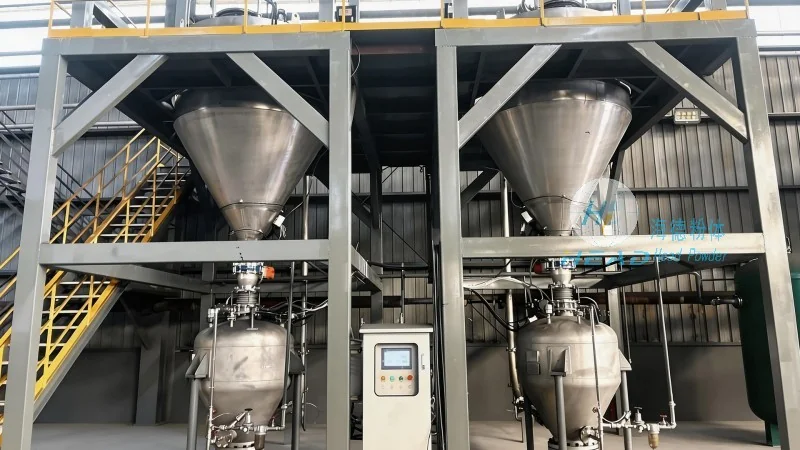
Pneumatic conveying is widely used in various stages of pharmaceutical manufacturing, including raw material handling, blending, packaging, and waste management. For instance, in the raw material stage, pneumatic systems can transport bulk powders from storage silos to blending equipment, ensuring a uniform mixture of ingredients. During the packaging phase, pneumatic conveying can be used to transfer finished products from production lines to packaging machines, maintaining product integrity and preventing damage. In waste management, pneumatic systems can efficiently collect and transport waste materials, reducing the risk of cross-contamination and improving overall hygiene. Industry standards, such as those outlined in the European Pharmacopoeia and the US Pharmacopeia, emphasize the importance of maintaining a clean and controlled environment in pharmaceutical processing, and pneumatic conveying systems are designed to meet these stringent requirements.
Conclusion and Company Information
As pharmaceutical manufacturing continues to evolve, the demand for efficient and reliable delivery methods remains high. Pneumatic conveying has emerged as a leading technology in this field, offering numerous advantages over traditional methods. Its ability to handle sensitive materials, maintain product purity, and enhance operational efficiency makes it an essential component of modern pharmaceutical processing. For pharmaceutical manufacturers seeking to optimize their production lines and ensure compliance with regulatory standards, pneumatic conveying systems provide a robust and effective solution. HeadPowder, a leading provider of pharmaceutical processing equipment, offers advanced pneumatic conveying solutions tailored to the specific needs of the pharmaceutical industry. With a focus on quality, innovation, and customer satisfaction, HeadPowder serves clients in China and beyond, helping them achieve their production goals while upholding the highest standards of product safety and quality. Based in Shandong, China, HeadPowder Engineering Co., Ltd. leverages years of expertise in pharmaceutical engineering to deliver customized solutions that meet the unique challenges of the industry. Whether for new installations or system upgrades, HeadPowder provides comprehensive support to ensure that pharmaceutical delivery systems operate at peak performance, contributing to the success of pharmaceutical operations worldwide.

 Shandong Headpowder Engineering Co., Ltd.
 156-6277-7102(Quản lý Trương)
  0531-83386006
  Thành phố Tế Nam, Tỉnh Sơn Đông, Trung Quốc
Điện thoại
WeChatTư vấn
Lên đầu