Với hơn 10 năm kinh nghiệm về vận chuyển khí nén, Headpowder Sơn Đông cung cấp hệ thống, thiết bị và quạt gió toàn chuỗi, đảm nhận các dự án kỹ thuật bột trọn gói trên toàn quốc.
When it comes to handling fly ash particles through pneumatic conveying systems, the design process requires careful consideration of multiple technical and operational factors. The goal is to create a system that maximizes efficiency, minimizes maintenance, and ensures safe and reliable transport of fly ash material. This article explores the key elements involved in designing a rational fly ash particle pneumatic conveying system, drawing on the expertise of Shandong HeadPowder Engineering Co., Ltd., a leading provider in the field.
Key Factors Influencing Fly Ash Particle Pneumatic Conveying System Design
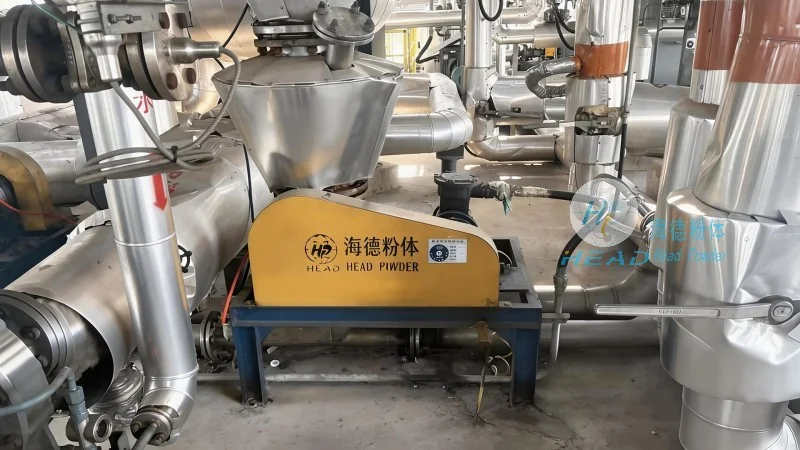
The first step in designing a successful fly ash particle pneumatic conveying system is to understand the characteristics of the fly ash material itself. Fly ash, a byproduct of coal combustion, typically consists of fine particles with varying sizes, densities, and moisture content. These properties directly impact the system's design, as they affect the required air velocity, pressure, and equipment selection. For instance, finer particles may require higher air velocities to prevent clogging, while higher moisture content can lead to increased friction and potential blockages. Shandong HeadPowder Engineering Co., Ltd. emphasizes the importance of conducting thorough material analysis before proceeding with system design to ensure optimal performance.
Choosing the Right Pneumatic Conveying System Type
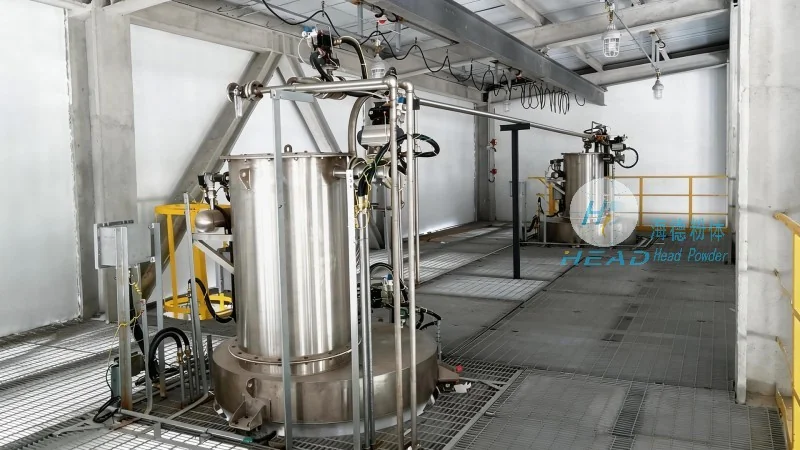
There are several types of pneumatic conveying systems, each with its own advantages and limitations. The most common types for fly ash transport include positive pressure systems, negative pressure systems, and hybrid systems. Positive pressure systems, where air is blown into the system to push the material, are often preferred for longer distances and higher particle loads due to their ability to maintain consistent air flow and prevent material degradation. Negative pressure systems, on the other hand, use suction to draw material into the system, which is suitable for shorter distances and lower particle concentrations. Hybrid systems combine elements of both, offering flexibility for varying operational conditions. The choice of system type depends on factors such as the distance between the source and destination, the volume of material to be transported, and the required flow rate. HeadPowder Engineering's engineers evaluate these factors to recommend the most suitable system type for each project.
Design of System Components for Optimal Performance
A pneumatic conveying system consists of several critical components, each playing a vital role in the overall operation. These components include the material feeders, air supply units, conveying lines, separation equipment, and control systems. The material feeder is responsible for feeding the fly ash particles into the system at a consistent rate, preventing surges or drops in flow. Air supply units, such as blowers or compressors, provide the necessary air pressure and volume to move the material through the conveying lines. The conveying lines must be designed to withstand the pressure and temperature of the system, with appropriate diameters and materials to minimize friction and resistance. Separation equipment, such as cyclones or filters, is used to separate the fly ash from the air stream, ensuring that the material is collected efficiently and the air is cleaned before release. Control systems are essential for monitoring and regulating the system's operation, allowing for adjustments to be made in real-time to maintain optimal performance. Shandong HeadPowder Engineering Co., Ltd. specializes in designing these components to work in harmony, ensuring that each part contributes to the system's overall efficiency and reliability.
System Pressure and Air Velocity Considerations
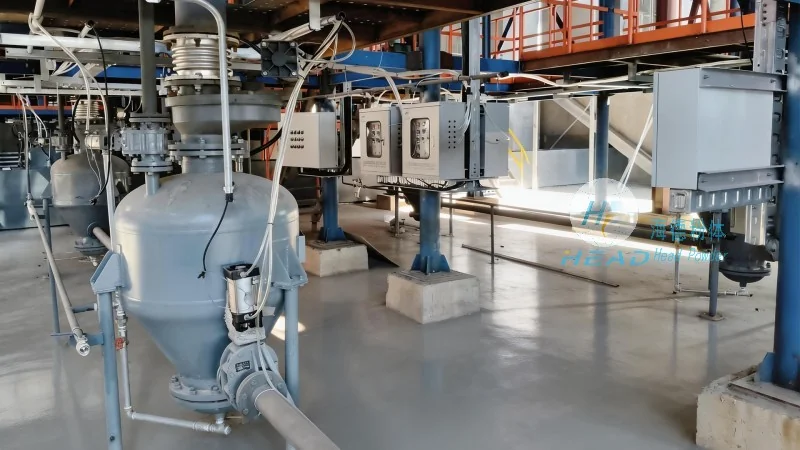
System pressure and air velocity are two of the most critical parameters in pneumatic conveying system design. The pressure required depends on the distance the material needs to travel, the particle size and density, and the system type. For longer distances or higher particle loads, higher pressures are needed to maintain sufficient air flow and prevent material settling. Air velocity, on the other hand, must be high enough to keep the particles suspended but not so high as to cause excessive wear on the system components or energy waste. The optimal air velocity is typically determined through calculations based on the material's properties and the system's design. HeadPowder Engineering's team uses advanced software and engineering principles to calculate the required pressure and air velocity, ensuring that the system operates within safe and efficient parameters. This attention to detail helps prevent issues such as clogging, material degradation, or excessive energy consumption.
Maintenance and Reliability in Fly Ash Pneumatic Conveying Systems
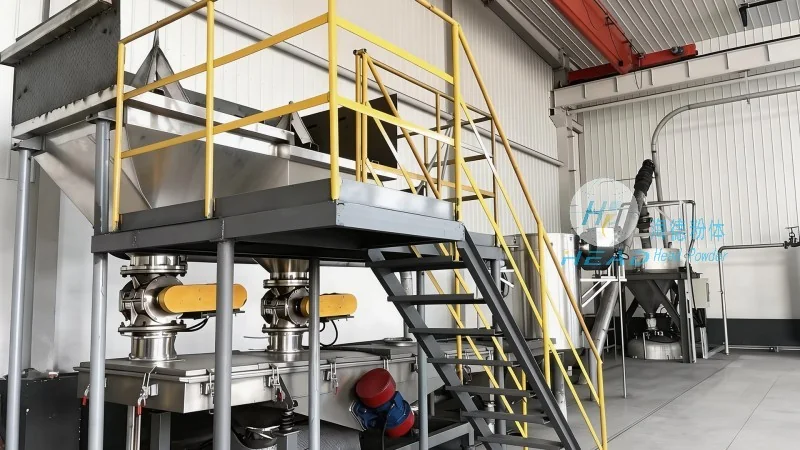
Ensuring the long-term reliability of a fly ash particle pneumatic conveying system requires regular maintenance and proper operation. Common maintenance tasks include cleaning the conveying lines, replacing worn components, and checking the performance of the air supply units. Regular inspections of the system components, such as cyclones and filters, are necessary to prevent clogging and maintain air quality. Shandong HeadPowder Engineering Co., Ltd. provides comprehensive maintenance services to help clients keep their systems running smoothly. By following recommended maintenance schedules and using high-quality components, the system's lifespan can be extended, and operational costs can be reduced. The company's focus on reliability ensures that clients can rely on their fly ash transport systems to meet their production needs consistently.
Conclusion: Designing a Rational Fly Ash Particle Pneumatic Conveying System
Designing a rational fly ash particle pneumatic conveying system involves a comprehensive approach that considers the material properties, system type, component design, and operational parameters. By working with experienced engineers like those at Shandong HeadPowder Engineering Co., Ltd., clients can ensure that their system is optimized for efficiency, reliability, and cost-effectiveness. The company's expertise in the field, combined with its commitment to quality and customer satisfaction, makes it a trusted partner for designing and implementing pneumatic conveying systems for fly ash transport. Whether for new installations or system upgrades, HeadPowder Engineering provides tailored solutions that meet the specific needs of each project, helping clients achieve their operational goals while minimizing downtime and maintenance costs.

 Shandong Headpowder Engineering Co., Ltd.
 156-6277-7102(Quản lý Trương)
  0531-83386006
  Thành phố Tế Nam, Tỉnh Sơn Đông, Trung Quốc
Điện thoại
WeChatTư vấn
Lên đầu