Với hơn 10 năm kinh nghiệm về vận chuyển khí nén, Headpowder Sơn Đông cung cấp hệ thống, thiết bị và quạt gió toàn chuỗi, đảm nhận các dự án kỹ thuật bột trọn gói trên toàn quốc.
Glass fiber powder is widely used in various industrial applications, such as composite materials, insulation, and filtration. The efficient and reliable transportation of this material is crucial for maintaining production efficiency and product quality. Conveying glass fiber powder requires specialized methods to handle its fine particles and prevent dust generation. This article provides an overview of common glass fiber powder conveying methods, with a focus on air-driven (pneumatic) conveying systems.
Overview of Conventional Conveying Methods
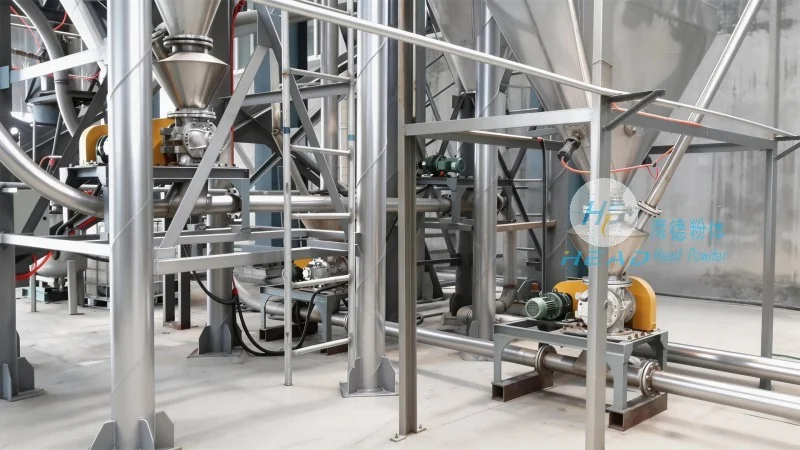
Before delving into air-driven systems, it's essential to understand the conventional methods used for glass fiber powder transportation. These methods include mechanical conveyors like belt conveyors, screw conveyors, and bucket elevators. However, these systems often face challenges with fine powders, including material buildup, clogging, and increased dust emissions. Mechanical conveyors may also require more maintenance and are less suitable for long-distance or high-velocity applications.
Advantages of Air-Driven Conveying for Glass Fiber Powder
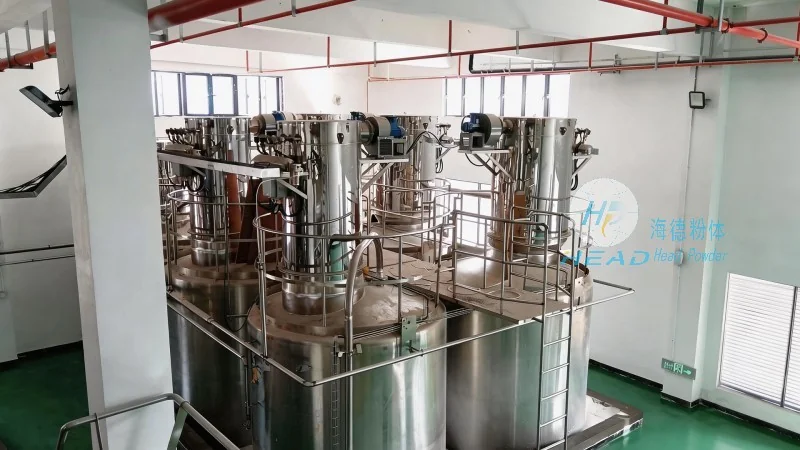
HeadPowder, a leading provider of powder handling solutions, emphasizes the benefits of air-driven (pneumatic) conveying for glass fiber powder. This method uses compressed air to transport the material through a pipeline system, offering several advantages over traditional mechanical methods. One key benefit is the ability to handle fine powders without clogging, as the air flow maintains particle suspension. Additionally, pneumatic conveying systems can achieve high velocities and cover long distances, making them ideal for complex production layouts. The enclosed pipeline design also minimizes dust exposure, enhancing workplace safety and environmental compliance.
Types of Pneumatic Conveying Systems
There are two primary types of pneumatic conveying systems used for glass fiber powder: positive pressure and negative pressure systems. Positive pressure systems use a blower or compressor to push the material through the pipeline, while negative pressure systems use a vacuum to draw the material. HeadPowder offers both types, allowing customers to choose the most suitable system based on their specific application requirements. For example, positive pressure systems are often preferred for long-distance conveying and handling abrasive materials, whereas negative pressure systems are better suited for short-distance transport and applications where dust control is critical.
Key Components of an Air-Driven Conveying System
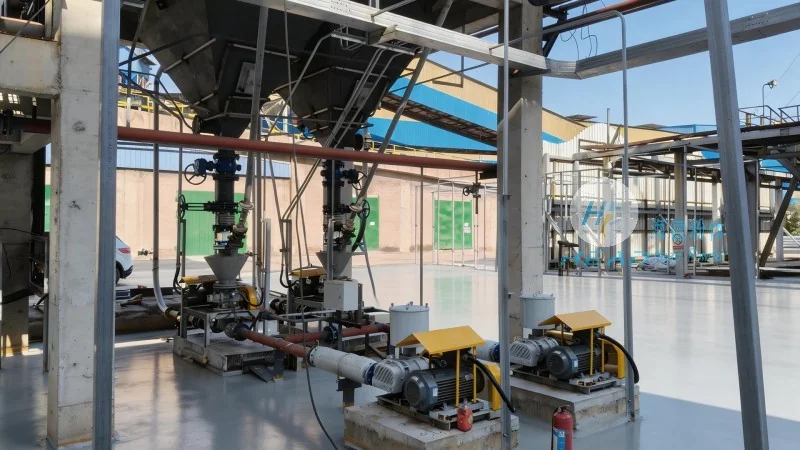
A typical air-driven conveying system for glass fiber powder consists of several key components. These include a material feed hopper, a rotary airlock valve to control the flow of powder into the pipeline, a blower or vacuum pump to generate the air pressure, and a pipeline network with appropriate fittings and elbows. The system may also include a dust collector or filter to capture any particles that escape the pipeline, ensuring compliance with air quality regulations. HeadPowder's engineers design customized systems that integrate these components to meet the unique needs of each customer, ensuring optimal performance and reliability.
Application Examples and Case Studies
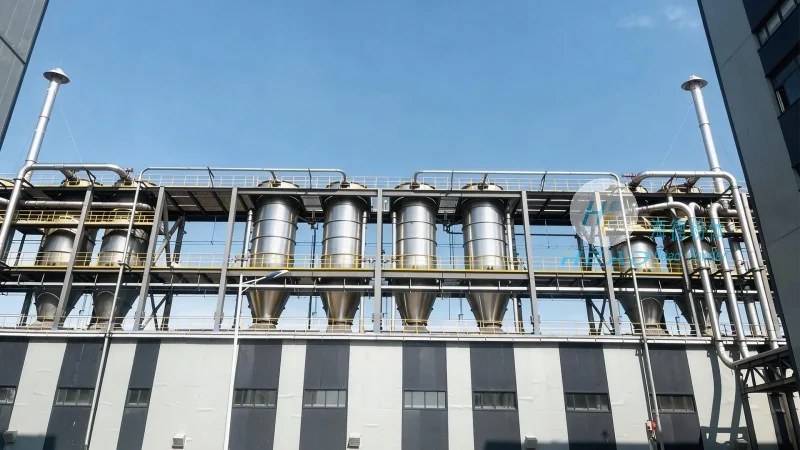
HeadPowder has successfully implemented air-driven conveying systems for various glass fiber powder applications. For instance, a composite manufacturing plant in China used a positive pressure system to transport fine glass fiber powder from storage silos to mixing equipment over a distance of 200 meters. The system was designed to handle high flow rates while maintaining low pressure differentials, reducing energy consumption and operational costs. Another customer, a filtration material producer, utilized a negative pressure system to convey glass fiber powder from a production line to a storage silo, effectively controlling dust emissions and improving workplace safety. These case studies highlight the effectiveness of air-driven conveying in improving production efficiency and product quality.
Conclusion and Recommendations
When selecting a conveying method for glass fiber powder, it is essential to consider factors such as material properties, distance, and environmental requirements. Air-driven (pneumatic) conveying systems offer significant advantages over conventional mechanical methods, particularly for fine powders. HeadPowder, with its expertise in powder handling solutions, provides customized air-driven conveying systems that meet the specific needs of glass fiber powder applications. By choosing the right system, manufacturers can enhance production efficiency, reduce maintenance costs, and ensure compliance with safety and environmental regulations. For more information on glass fiber powder conveying solutions, contact Shandong HeadPowder Engineering Co., Ltd., located in Shandong, China.

 Shandong Headpowder Engineering Co., Ltd.
 156-6277-7102(Quản lý Trương)
  0531-83386006
  Thành phố Tế Nam, Tỉnh Sơn Đông, Trung Quốc
Điện thoại
WeChatTư vấn
Lên đầu