Với hơn 10 năm kinh nghiệm về vận chuyển khí nén, Headpowder Sơn Đông cung cấp hệ thống, thiết bị và quạt gió toàn chuỗi, đảm nhận các dự án kỹ thuật bột trọn gói trên toàn quốc.
When it comes to transporting sodium sulfate powder efficiently and safely, a well-designed pneumatic conveying system is crucial. This guide explores the key considerations and best practices for creating an optimal system that meets operational requirements while ensuring reliability and cost-effectiveness.
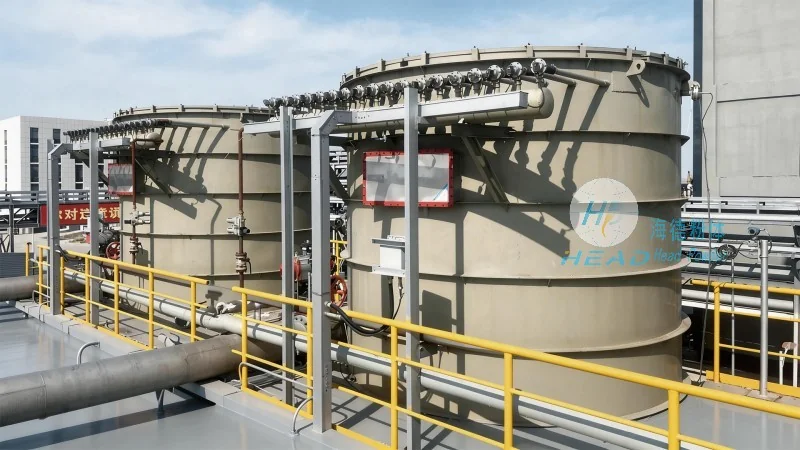
Expertise from Shandong HeadPowder Engineering Co., Ltd.
With years of experience in material handling solutions, Shandong HeadPowder Engineering Co., Ltd. specializes in designing and implementing pneumatic conveying systems tailored to the unique needs of industrial applications. As a leading provider in the field, the company leverages advanced engineering principles and practical experience to deliver systems that enhance productivity and reduce operational challenges.
Key Design Considerations for Sodium Sulfate Powder Conveying
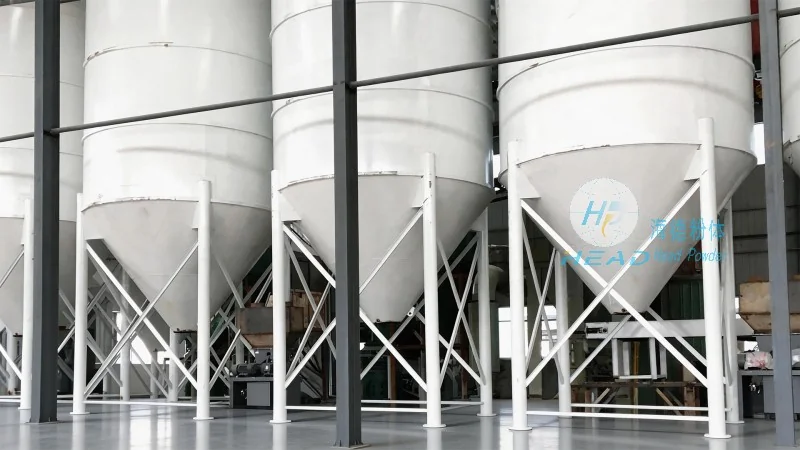
The success of a pneumatic conveying system for sodium sulfate powder depends on several critical factors. First, the particle size, density, and flow characteristics of the material must be thoroughly analyzed. These properties directly influence the selection of system type—whether it's a positive pressure, negative pressure, or mixed flow system. Additionally, the distance and elevation changes between the source and destination points are essential parameters that determine the required air velocity and pressure levels.
Another critical aspect is the system's capacity requirements. Determining the desired throughput rate helps in selecting the appropriate air compressor capacity and conveying line dimensions. Proper sizing of the air compressor ensures consistent air flow, which is vital for maintaining stable material transport without causing blockages or excessive energy consumption.
Core Components of a Pneumatic Conveying System
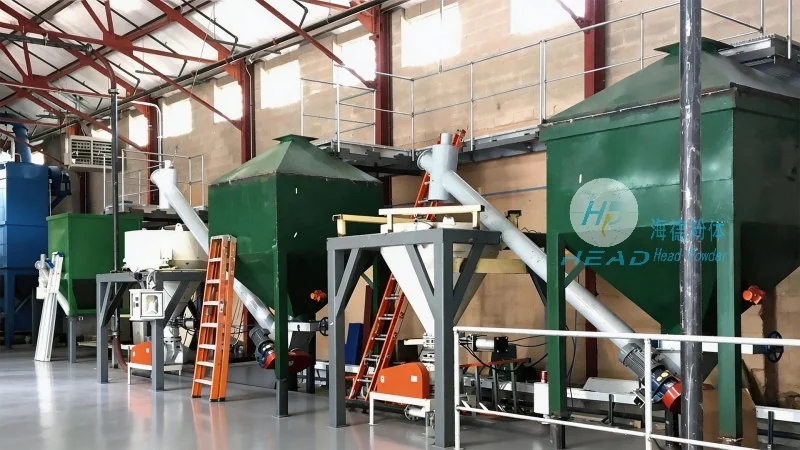
A typical sodium sulfate powder pneumatic conveying system consists of several key components that work in harmony to achieve efficient material transport. The primary components include a material feeder, air compressor, conveying line, and material receiver. The material feeder is responsible for feeding the powder into the system at a controlled rate, preventing overloading and ensuring smooth flow. The air compressor provides the necessary pressure or vacuum to move the material through the conveying line. The conveying line, often made of stainless steel or other corrosion-resistant materials, is designed to withstand the abrasive nature of sodium sulfate powder and maintain system integrity. Finally, the material receiver collects the conveyed powder and may include features like dust collection and filtration to ensure environmental compliance and product quality.
Choosing the Right Pneumatic Conveying System Type
For sodium sulfate powder, the choice between positive pressure, negative pressure, and mixed flow systems depends on the specific application requirements. Positive pressure systems use compressed air to push the material forward, making them suitable for long-distance or elevated transport. Negative pressure systems, on the other hand, use vacuum to draw material into the system, which is ideal for short-distance or horizontal transport where the material is already in a dusty environment. Mixed flow systems combine elements of both, offering flexibility for varying operational conditions. The selection process should consider factors such as material properties, system layout, and energy efficiency to ensure the chosen system delivers optimal performance.
The System Design Process: From Analysis to Implementation
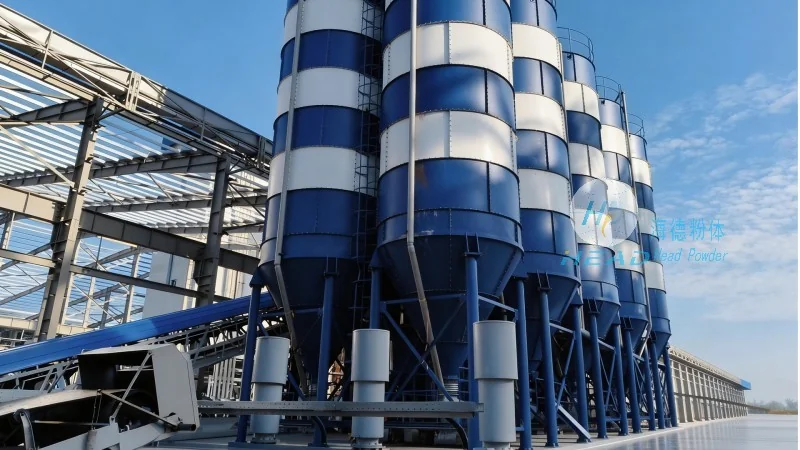
Designing a pneumatic conveying system for sodium sulfate powder involves a systematic approach that begins with a comprehensive analysis of the material and operational requirements. The process typically includes site surveys, material testing, and computational fluid dynamics (CFD) simulations to model the system's behavior under different conditions. This analysis helps identify potential challenges such as particle segregation, system pressure drops, and energy consumption, allowing engineers to develop targeted solutions. Following the analysis phase, the design phase involves selecting the appropriate components, determining system dimensions, and creating detailed schematics. The final implementation phase includes system installation, commissioning, and testing to ensure the system operates as intended and meets all performance specifications.
Conclusion: Partnering with HeadPowder for Reliable Pneumatic Conveying Solutions
Designing a rational sodium sulfate powder pneumatic conveying system requires a deep understanding of material properties, system dynamics, and operational goals. Shandong HeadPowder Engineering Co., Ltd. brings this expertise to the table, offering customized solutions that address the unique challenges of each application. By focusing on efficiency, reliability, and cost-effectiveness, the company helps clients achieve their material handling objectives while maintaining high standards of safety and environmental compliance. For businesses seeking to optimize their sodium sulfate powder transport processes, partnering with HeadPowder ensures access to professional engineering support and proven solutions that deliver long-term value.

 Shandong Headpowder Engineering Co., Ltd.
 156-6277-7102(Quản lý Trương)
  0531-83386006
  Thành phố Tế Nam, Tỉnh Sơn Đông, Trung Quốc
Điện thoại
WeChatTư vấn
Lên đầu