Với hơn 10 năm kinh nghiệm về vận chuyển khí nén, Headpowder Sơn Đông cung cấp hệ thống, thiết bị và quạt gió toàn chuỗi, đảm nhận các dự án kỹ thuật bột trọn gói trên toàn quốc.
When designing a white clay pneumatic conveying system, it is crucial to consider various factors to ensure efficiency, reliability, and cost-effectiveness. The process involves understanding the material properties of white clay, such as its particle size, moisture content, and flow characteristics, which directly impact the system's performance. A well-designed system not only optimizes material handling but also minimizes operational risks and maintenance costs.
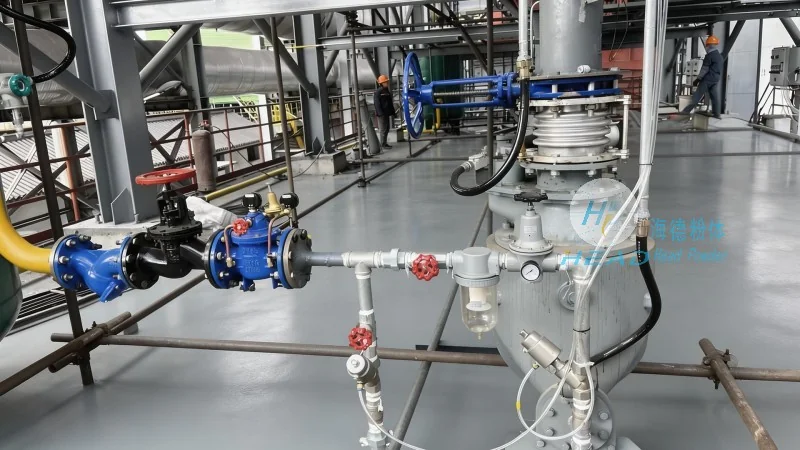
Key Components of a White Clay Pneumatic Conveying System
The core components of a white clay pneumatic conveying system typically include a material feed hopper, a conveying line, a dust collector, and a discharge unit. The feed hopper is responsible for storing and feeding the white clay into the system, ensuring a consistent flow rate. The conveying line, often made of stainless steel or other corrosion-resistant materials, transports the material under pressure. A dust collector is essential to capture and filter airborne particles, maintaining air quality and preventing environmental contamination. The discharge unit, such as a rotary valve or a surge bin, regulates the material's release at the destination.
Design Considerations for Material Properties
White clay's unique properties, like its fine particle size and potential for caking, require special attention during system design. The system must be capable of handling low to medium flow rates while maintaining high conveying efficiency. Moisture content is another critical factor; excessive moisture can lead to blockages or increased wear on components. Therefore, the design should incorporate features like moisture control or pre-drying mechanisms to mitigate these issues. Additionally, the system's ability to handle abrasive particles is vital, as white clay can be abrasive to metal surfaces, leading to increased maintenance and replacement costs.
System Sizing and Flow Rate Optimization
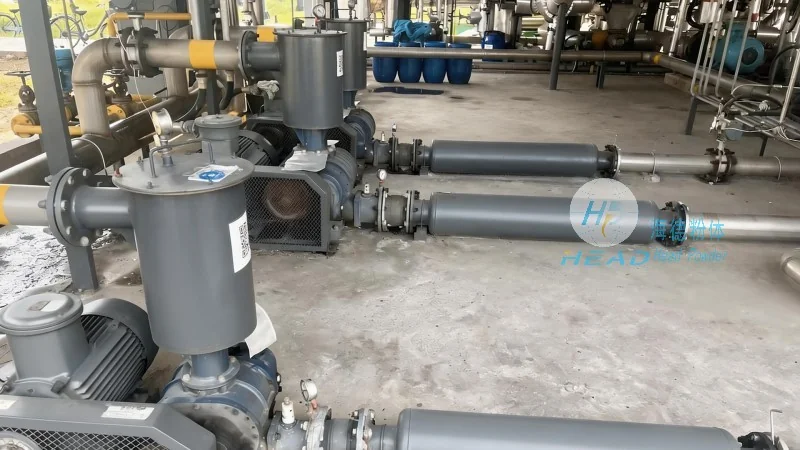
Proper sizing of the conveying line and air compressor is essential for optimal performance. The flow rate of the white clay determines the required air volume and pressure. Over-sizing or under-sizing can result in inefficient operation, increased energy consumption, or system failure. Engineers must calculate the required air velocity based on the material's properties and the system's layout. For example, higher air velocities may be needed for fine particles to prevent settling, while lower velocities are suitable for larger particles to reduce energy consumption. The selection of the air compressor, whether positive displacement or centrifugal, depends on the system's capacity and pressure requirements.
Material Handling and Safety Measures
Ensuring safe and efficient material handling is a top priority in white clay pneumatic conveying systems. The system should include safety features such as pressure relief valves, emergency shut-off valves, and interlocks to prevent accidents. Regular maintenance is crucial to prevent blockages and ensure the system operates within safe parameters. The use of corrosion-resistant materials, such as stainless steel, is recommended to handle the acidic or alkaline nature of white clay, which can cause corrosion over time. Additionally, the system should be designed to minimize dust emissions, complying with environmental regulations and protecting the health of operators.
Case Study: Successful Implementation by Shandong HeadPowder Engineering Co., Ltd.
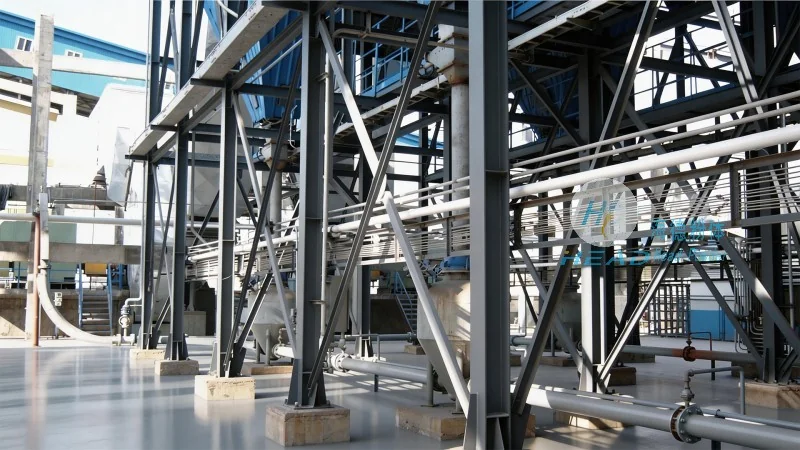
Shandong HeadPowder Engineering Co., Ltd., a leading provider of material handling solutions, has successfully implemented white clay pneumatic conveying systems for various clients. By leveraging their expertise in material science and engineering, they have designed systems that meet the specific needs of each project. For instance, a client in the ceramics industry required a system to transport fine white clay from a storage silo to a production line. HeadPowder's engineers designed a system with a high-capacity feed hopper and a long conveying line, ensuring consistent material flow. The system included a dust collector to maintain air quality and a rotary valve for controlled discharge. The result was a significant reduction in labor costs and improved production efficiency.
Conclusion: The Importance of Professional Design and Implementation
Designing a reasonable white clay pneumatic conveying system requires a comprehensive understanding of material properties, system components, and operational requirements. By considering these factors and working with experienced engineers, such as those at Shandong HeadPowder Engineering Co., Ltd., businesses can achieve efficient, reliable, and cost-effective material handling solutions. The key is to balance performance, safety, and cost, ensuring that the system meets the long-term needs of the operation. With proper design and implementation, white clay pneumatic conveying systems can enhance productivity and reduce operational risks, contributing to the overall success of the business.

 Shandong Headpowder Engineering Co., Ltd.
 156-6277-7102(Quản lý Trương)
  0531-83386006
  Thành phố Tế Nam, Tỉnh Sơn Đông, Trung Quốc
Điện thoại
WeChatTư vấn
Lên đầu